Madame Henri François Riesener (Félicité Longrois, 1786–1847) by Eugène Delacroix
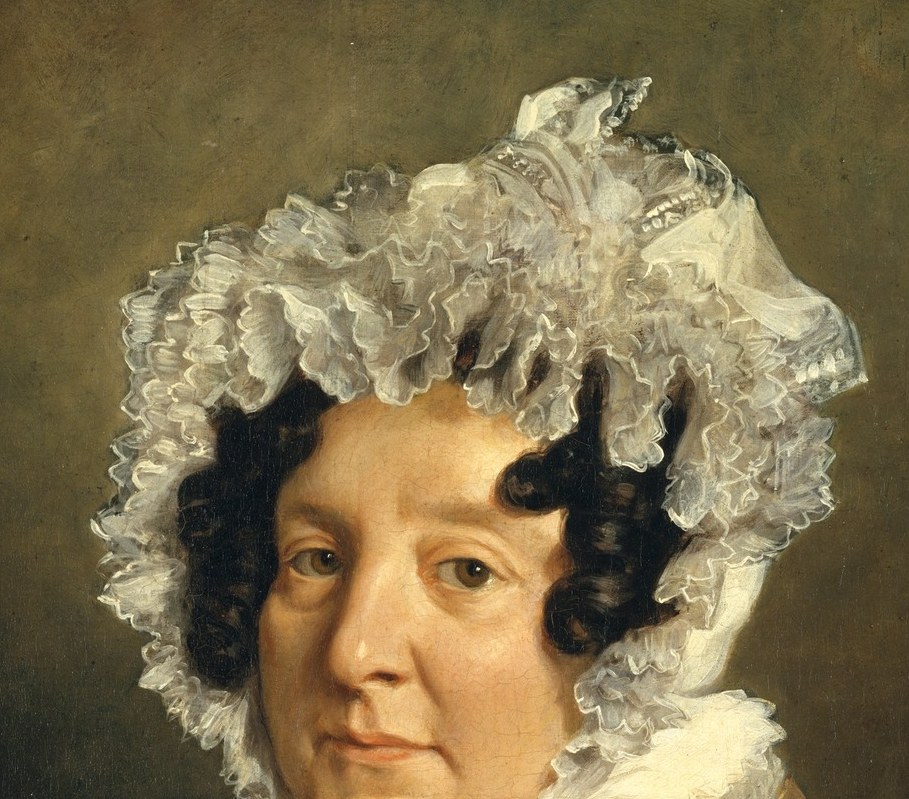
This portrait of Madame Henri François Riesener, painted by Eugène Delacroix in 1835 and now housed at The Metropolitan Museum of Art, was surprisingly controversial for its era. Despite its artistic merit, the painting sparked significant outrage upon its debut, reportedly impacting Delacroix's reputation.
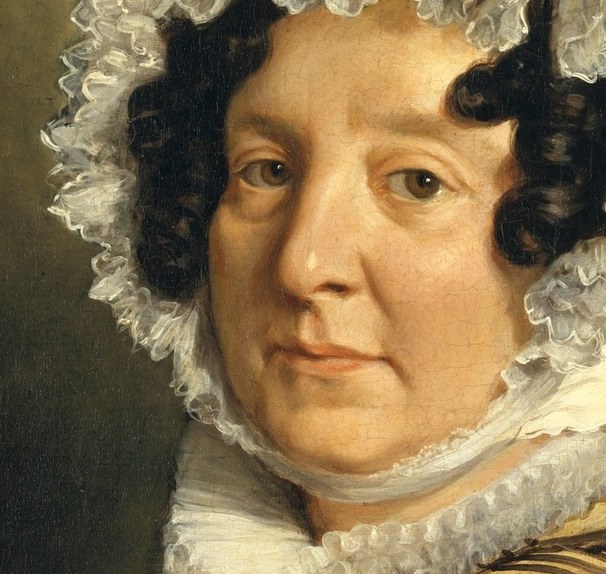
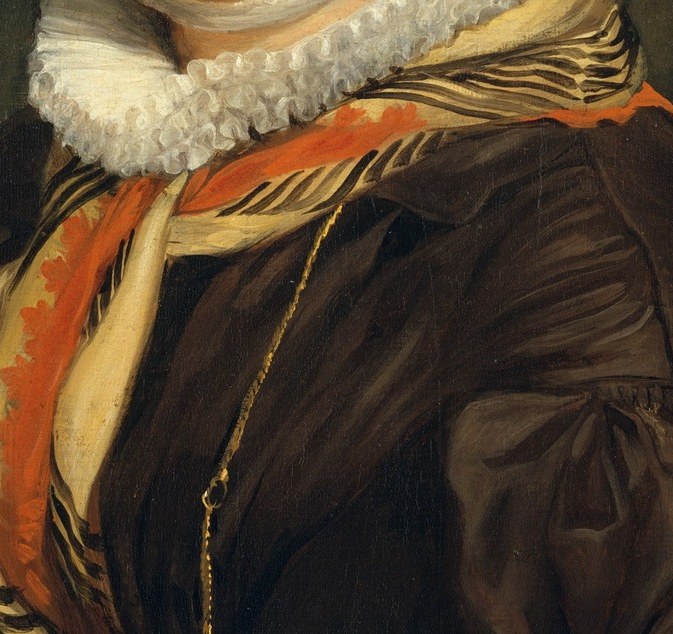
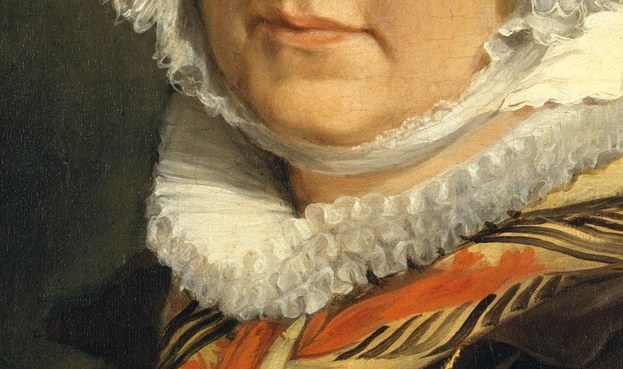
Look closely at Madame Riesener's face. Her direct, unflinching gaze was considered too bold, even provocative, for a woman of her social standing at the time. The vibrant, diagonally striped scarf of orange, yellow, and black also added a dynamism that was unusual for formal portraiture, and perhaps contributed to the scandal.
Eugène Delacroix, a leading figure of French Romanticism, often prioritized emotional expression and color over strict classical convention. The sitter, Anne Louise Félicité Hassassin de Longroy, was the wife of his cousin. The intense personal connection might have contributed to the painting's frankness, which audiences were not prepared for.
This work showcases Delacroix's willingness to push boundaries, both in his artistic style and in his portrayal of sitters, proving that even a portrait of family could stir public controversy.
Details
Transcript
This painting caused a stir in 1835. Her direct gaze meets the viewer. Her deep eyes seem to hold a secret. The bold stripes added vibrant color. The artist was Eugène Delacroix. He painted his cousin's wife. Her directness was scandalous then.