Bridge on the Saône River at Mâcon by Corot, Jean-Baptiste-Camille
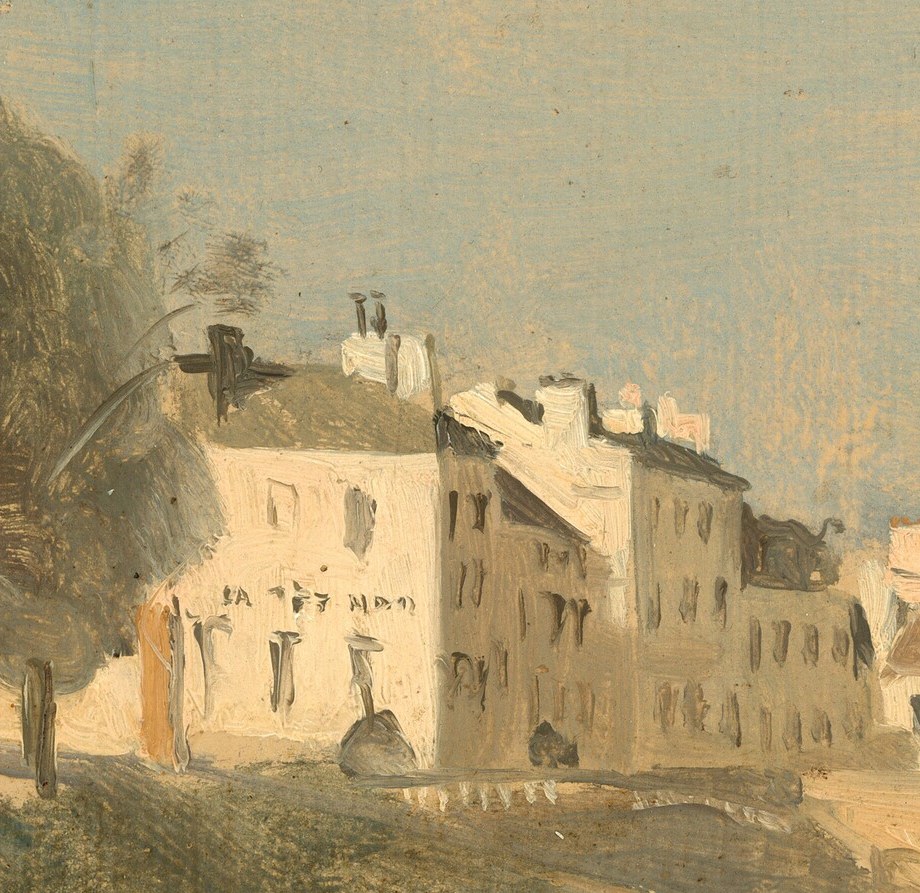
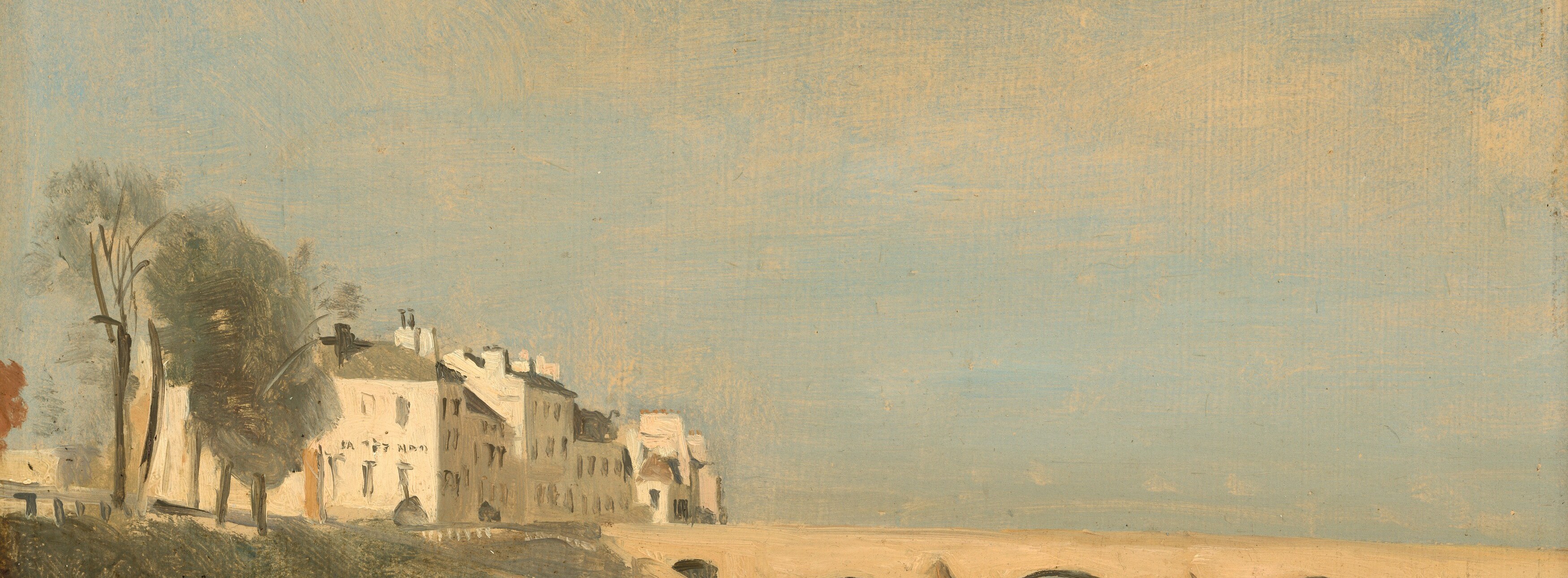
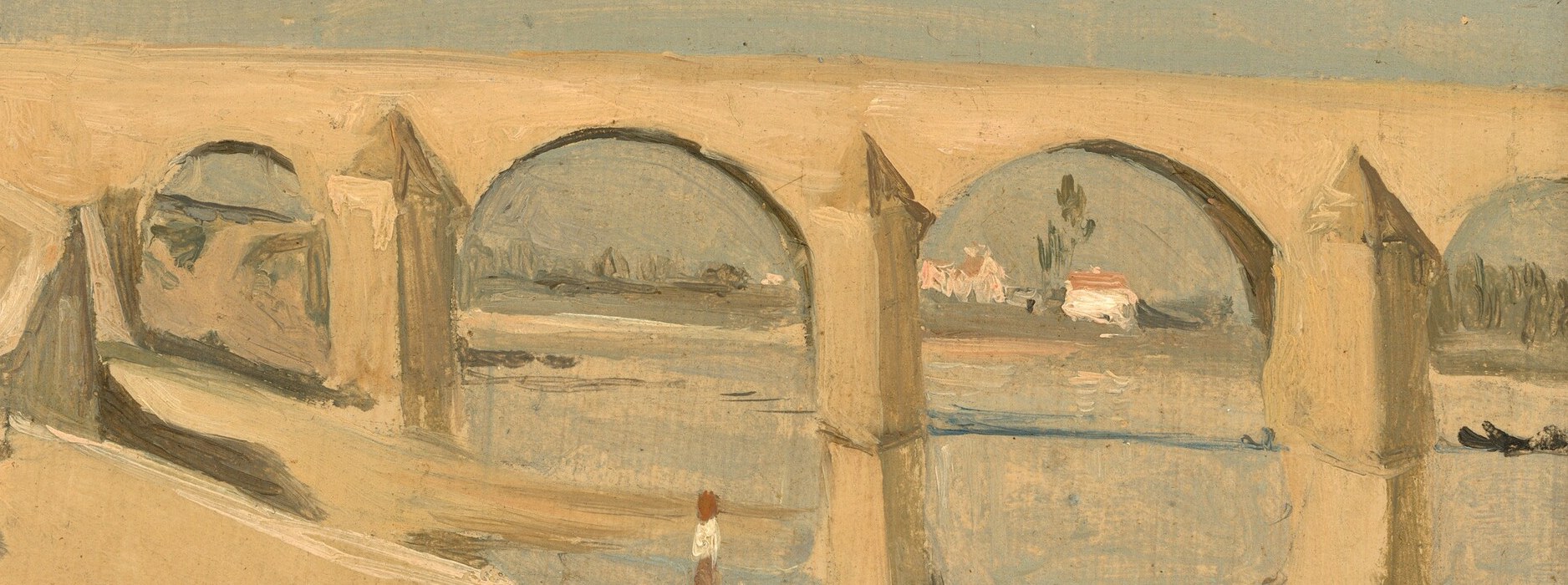
Corot's "Bridge on the Saône River at Mâcon," painted in 1834, is a prime example of a work once considered merely a study, now celebrated for its intrinsic artistic merit. This oil on paper piece, later mounted on canvas, was created en plein air, meaning outdoors and directly from life, a practice central to Corot's innovative approach.
Look closely at the fluid brushstrokes and the capture of light on the river surface and the bridge arches. These elements showcase the spontaneity and freshness that distinguish Corot's outdoor sketches. The distant figures and the lone tree add a human and natural element to this serene landscape.
In Corot's time, such direct observations were often considered preparatory notes for larger, more polished studio compositions. Consequently, they often sold for very little, if at all. However, art history has re-evaluated these works, recognizing their unique value in bridging Neo-Classical traditions with the emerging Impressionist movement. They are now highly prized for their immediacy and insight into the artist's process.
This painting is held at a private collection. It reminds us how perspectives on art, and its value, can evolve dramatically over time.
Details

Transcript
This tranquil scene, painted by Corot in 1834, feels complete. But for decades, paintings like this were not considered finished art. This is an oil sketch, painted outdoors directly from nature. Such 'plein air' studies were once only preparation for studio works. They sold for little, if they sold at all. Today, these direct, spontaneous views are highly valued. They are now among Corot's most sought-after works.