Landscape near Paris by Cezanne, Paul
Paul Cézanne's “Landscape near Paris,” painted around 1876, is a remarkable early example of his revolutionary approach to landscape painting. Held at the National Gallery of Art, Washington, this work shows Cézanne moving beyond Impressionism to explore the underlying structure of nature.
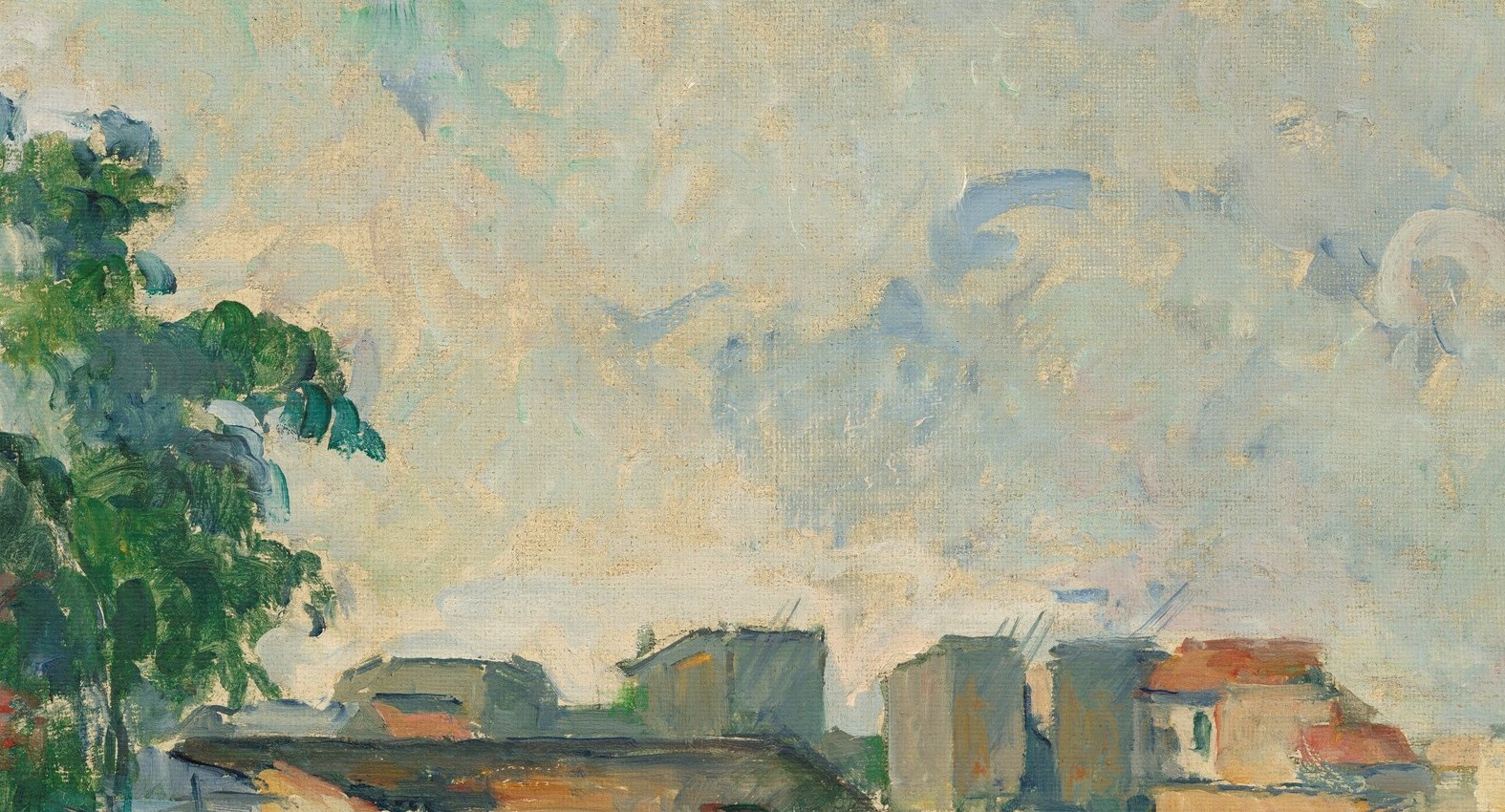
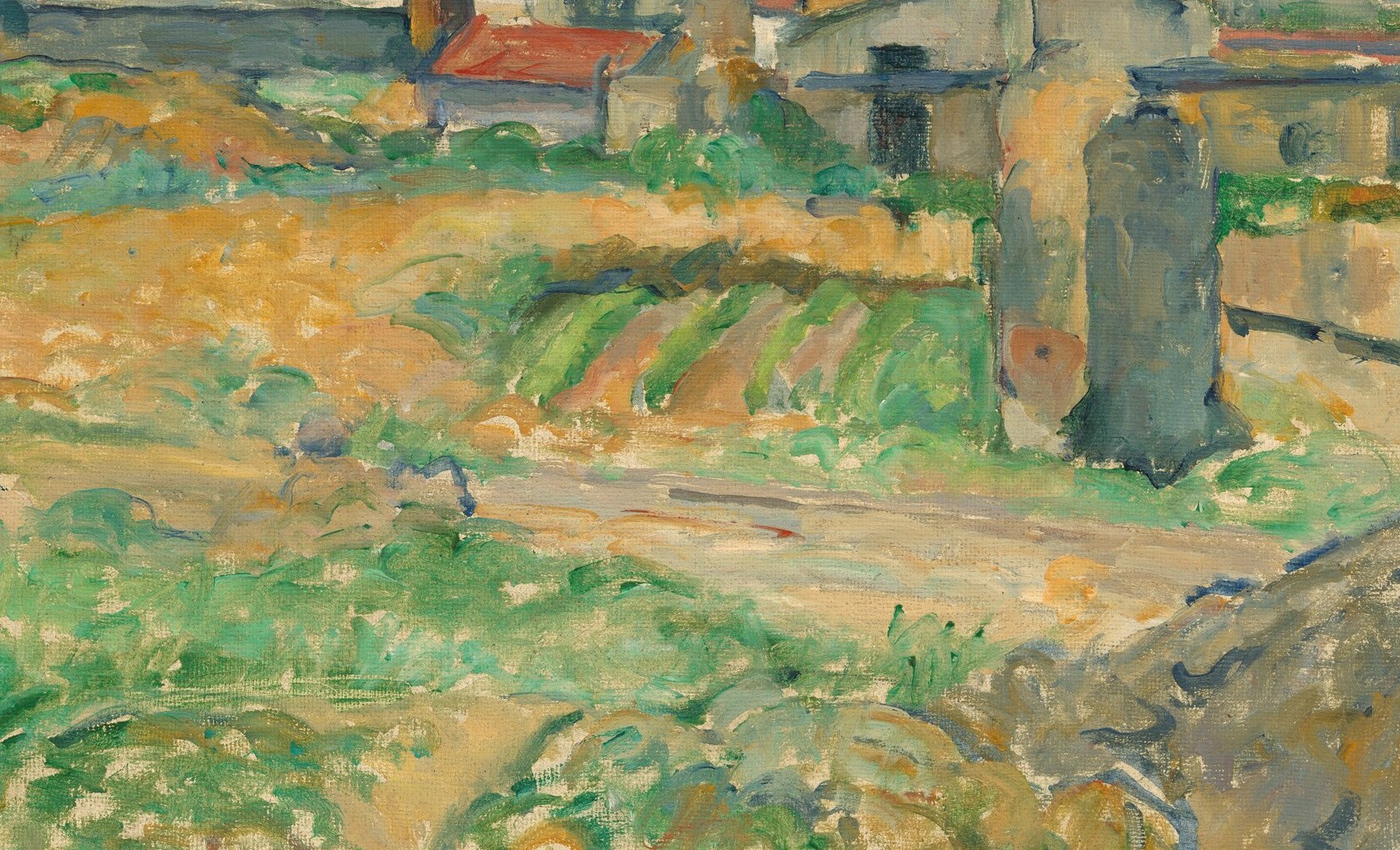
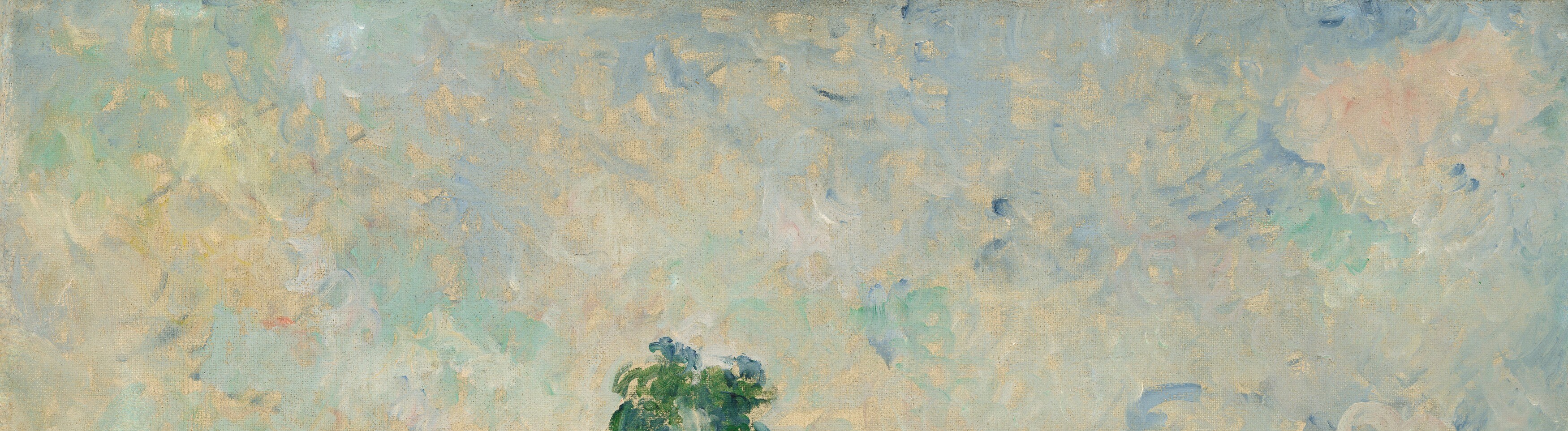
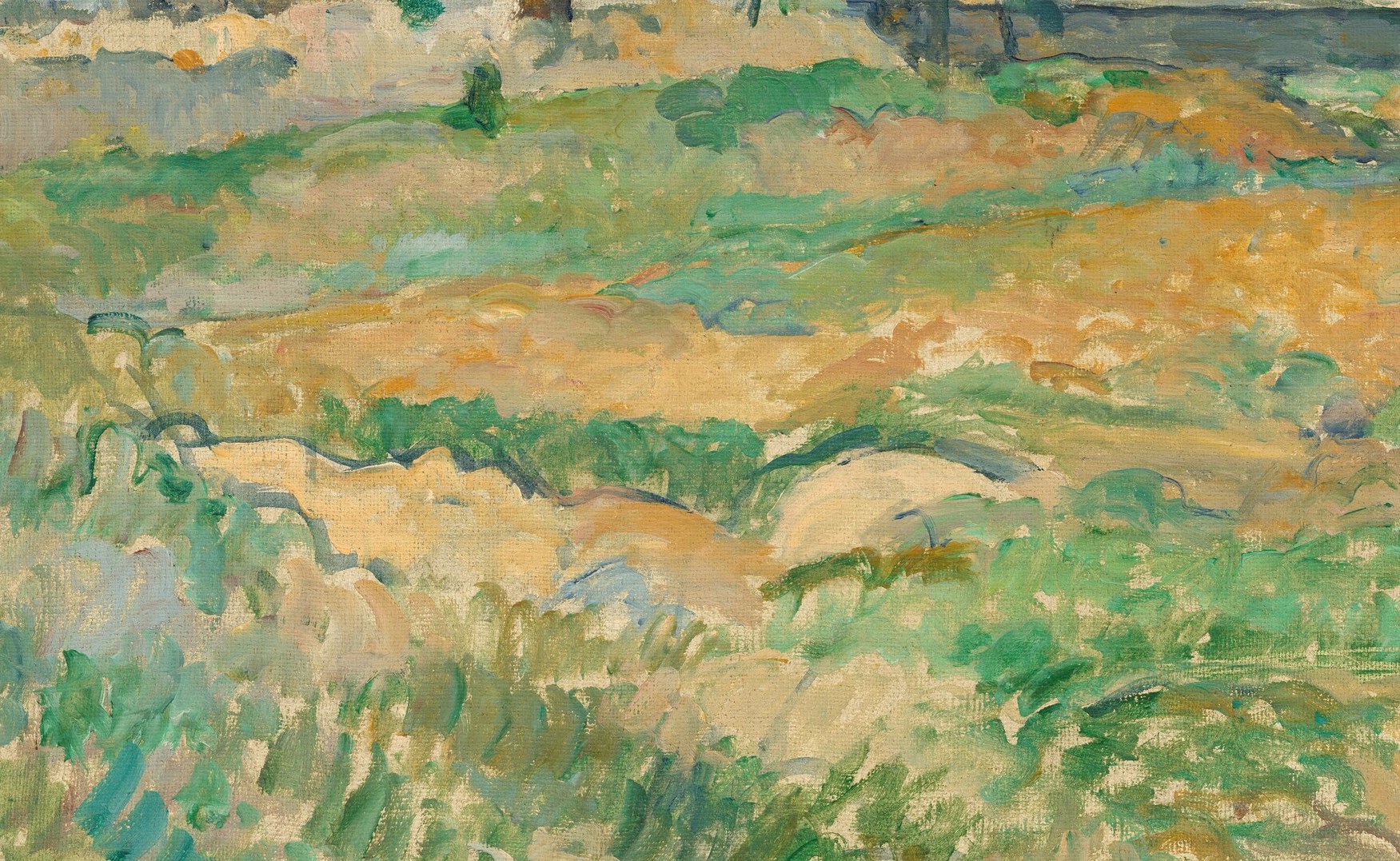
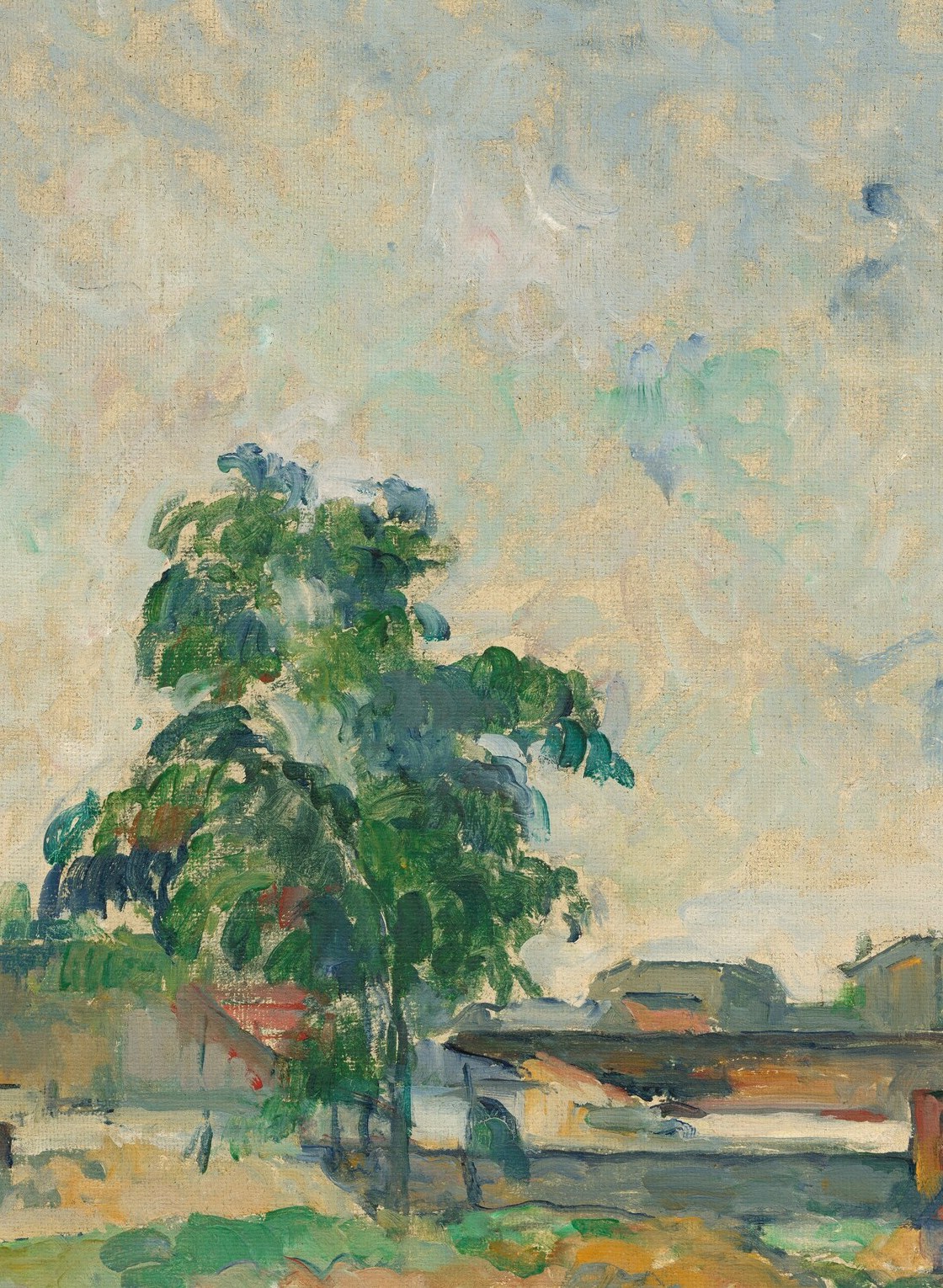
Notice how Cézanne builds forms not with smooth blends but with distinct, often parallel brushstrokes. From the red rooftops to the foreground grass and even the pale sky, each element is constructed from visible layers of paint. This technique gives the canvas a tactile quality, making the entire scene feel solid and deliberately built.
This method, where forms are reduced to essential geometric elements and rendered with a unique, constructive brushwork, was radical for its time. It was a pivotal step in art history, directly influencing the development of Cubism and shaping the trajectory of modern art.
How does seeing the individual brushstrokes change your perception of the landscape?
Details
Transcript
Look closely at this ordinary landscape. This painter built his forms with parallel strokes. See how every patch of color is a physical layer. Even the sky is constructed, not just a wash. He refused traditional perspective, flattening the scene. These strokes make the entire canvas feel solid. It was a new way of seeing, paving the way for Cubism.