Hillside at Étretat by Inness, George
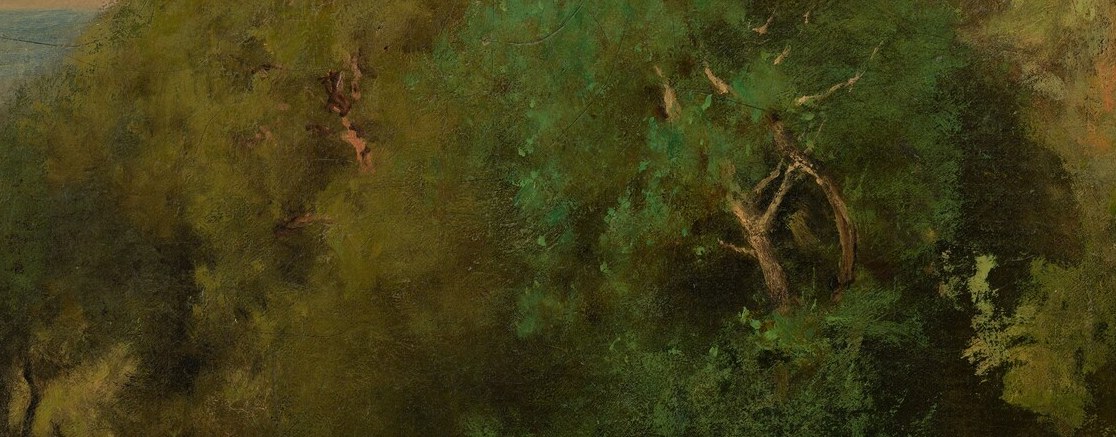
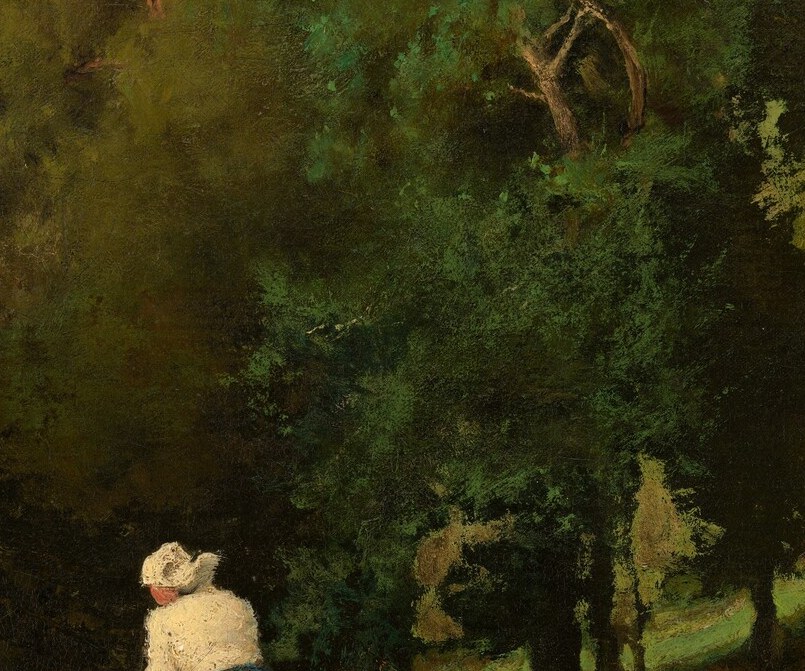
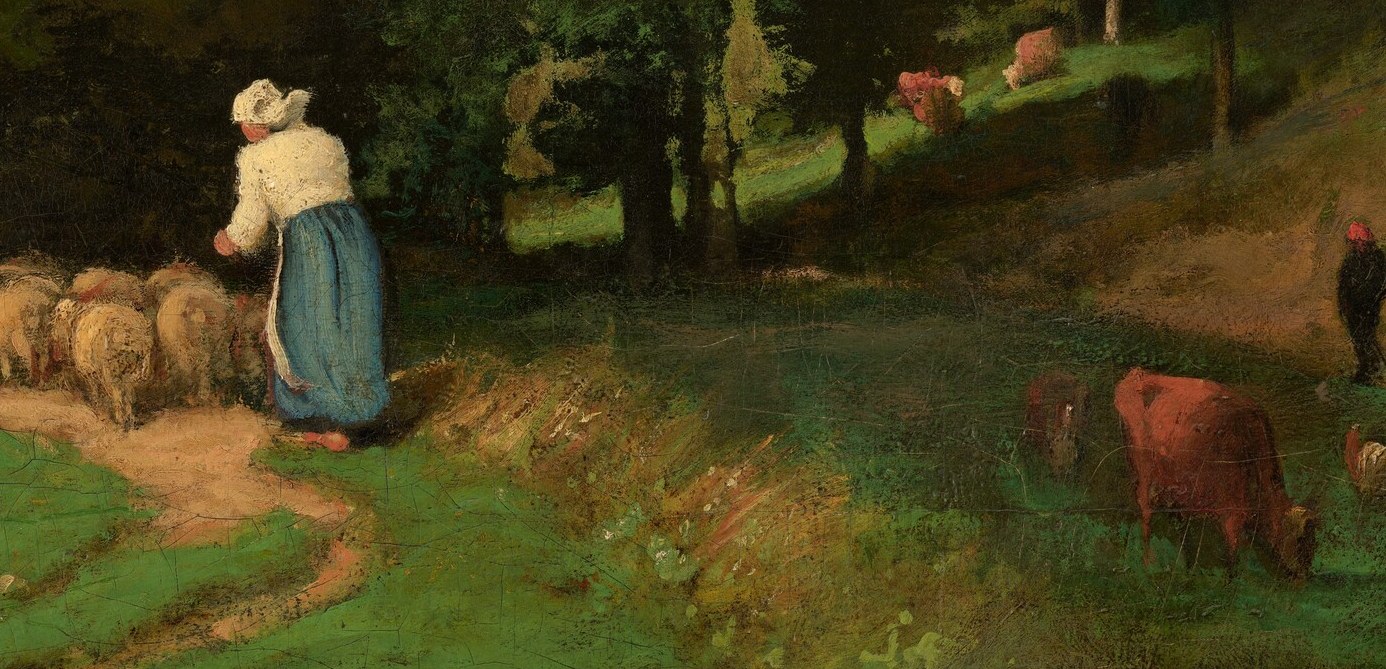
George Inness’s 1876 painting, *Hillside at Étretat*, held in a private collection, appears as a tranquil landscape. It features the gentle, verdant hills of coastal France, a shepherdess, and her flock.
Yet, this seemingly peaceful scene was met with quiet controversy upon its debut. Critics were accustomed to more detailed, defined landscapes. They found Inness's increasingly blurred, atmospheric style, which he called "the lost chord in art", to be unfinished and too impressionistic for the time. This shift marked a significant evolution in his career.
Inness, who moved between the U.S. and Europe, sought to capture the spiritual calm and the mood of a place rather than precise visual descriptions. He aimed to show the "air between the trees," letting colors melt together and edges soften. This approach, while initially criticized, eventually defined his mature work and influenced later American landscape painters. He believed art's purpose was to cultivate the artist's spiritual nature.
Next time you encounter a landscape, consider what the artist chose to emphasize: the sharp lines of reality, or the soft, ineffable feeling of being there?
Details
Transcript
This quiet landscape, painted in 1876, seems perfectly peaceful. A shepherdess, her flock, the gentle hills of Étretat, France. Yet at its debut, this painting sparked a quiet scandal. Its artist, George Inness, was known for his atmospheric scenes. But critics found this work too loose, too unfinished. They called his new, blurred style "the lost chord in art." He preferred to show the feeling of a place, not just its details.