Saint Jerome by Jusepe de Ribera
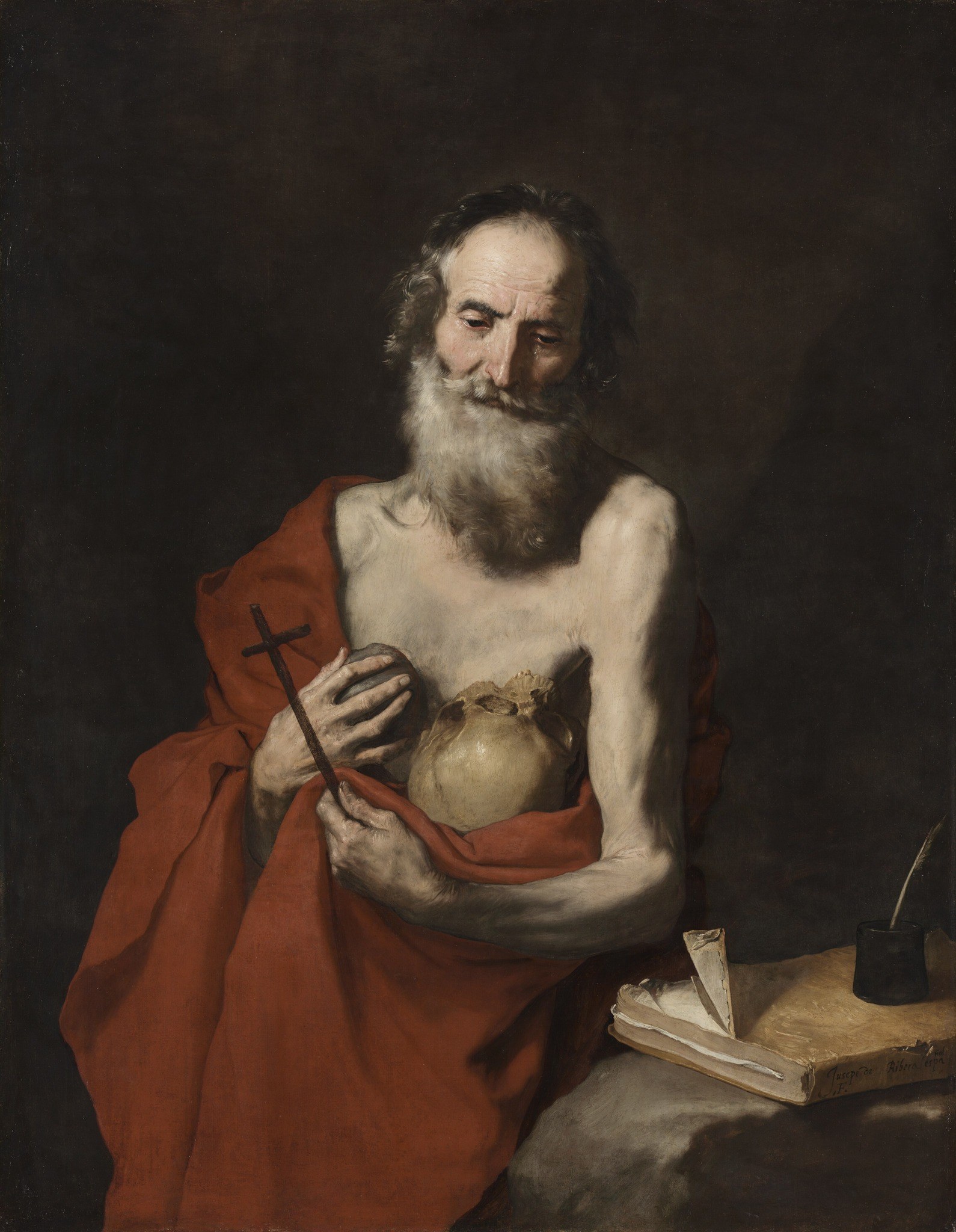
Jusepe de Ribera, a master of 17th-century Spanish Baroque painting, captured the profound human emotion and spiritual intensity in his 1638 oil painting, *Saint Jerome*, held at The Cleveland Museum of Art.
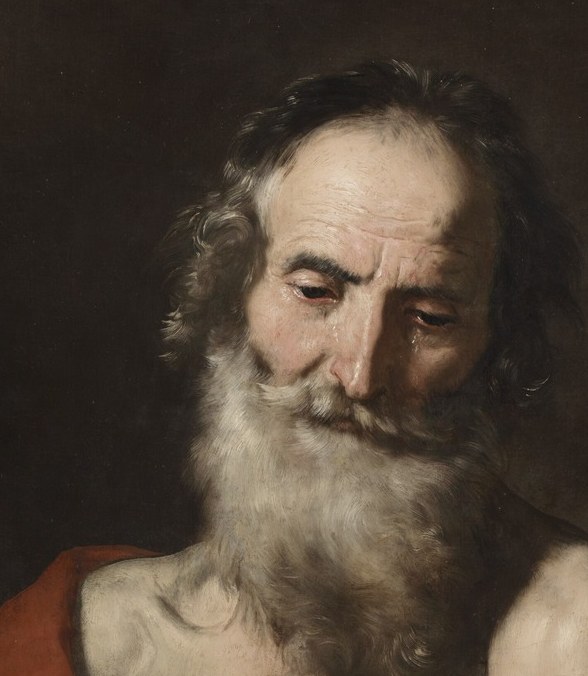
Ribera, known as “Lo Spagnoletto” (the Little Spaniard), brought a dramatic realism to his religious subjects. Here, Saint Jerome, the scholar who translated the Bible, is depicted in a moment of deep contemplation and asceticism. Notice the stark chiaroscuro lighting, which highlights every furrow of his brow and the weathered texture of his skin, drawing our eyes to his emotional state.
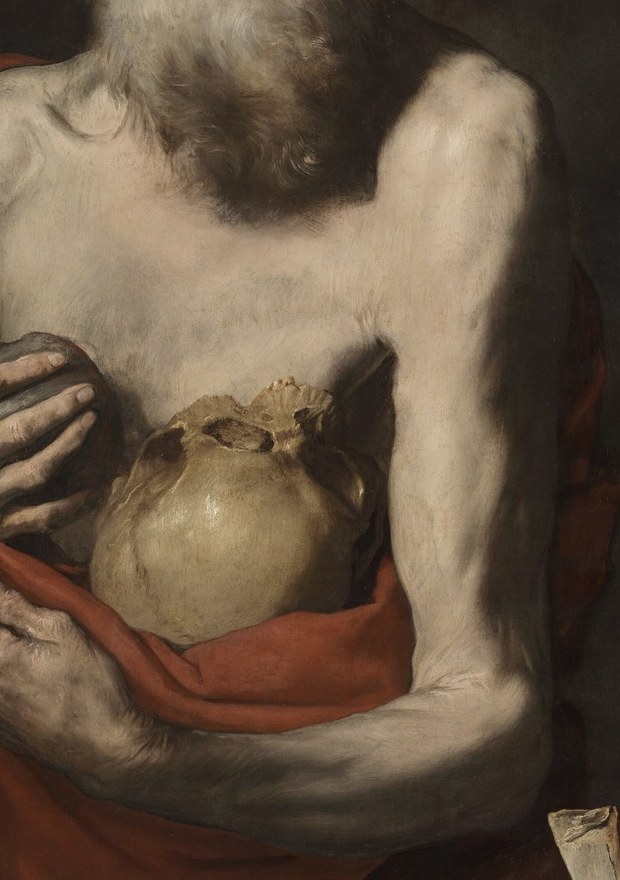
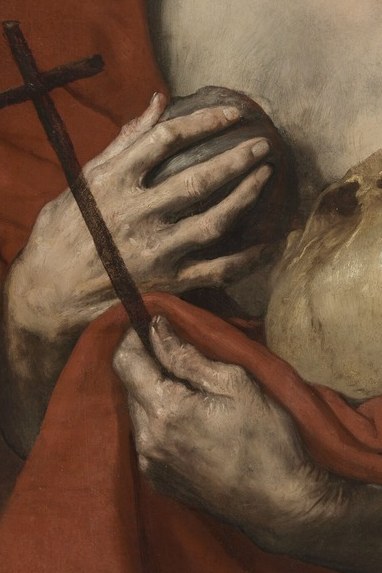
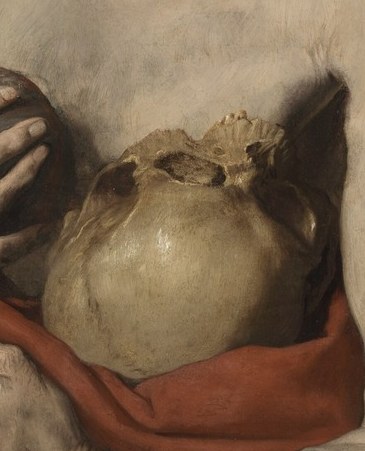
This painting is a powerful example of Ribera's tenebrist style, using strong contrasts of light and shadow to create a sense of drama and focus. The crucifix and skull in the saint's hands are traditional memento mori, reminders of faith and mortality, underscoring the solemnity of his spiritual journey. Ribera, though Spanish-born, spent most of his career in Naples, influencing art across Europe with his distinctive, impactful style.
What aspects of Jerome's expression resonate most deeply with you?
Details
Transcript
This Spanish painter focused on raw, human emotion. His Saint Jerome, shown in intense spiritual struggle. The stark light emphasizes his aged, vulnerable skin. Every wrinkle tells of contemplation, hardship. In his hands, the symbols of his devotion and mortality. A crucifix for faith, a skull for the end of life. This is a quiet, powerful moment of human faith.