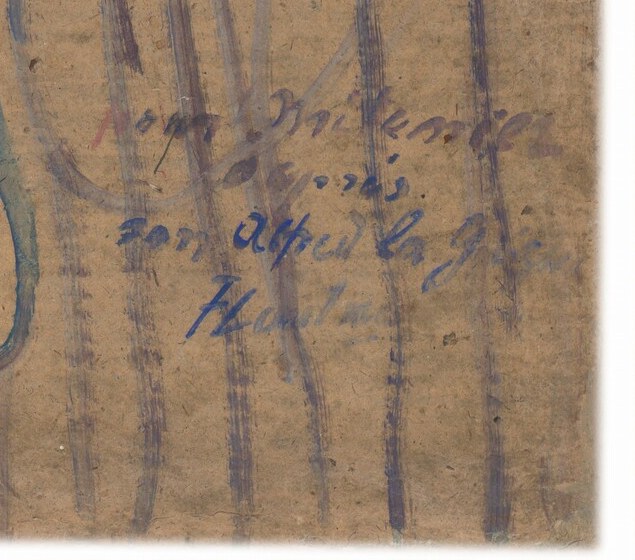
Alfred la Guigne by Toulouse-Lautrec, Henri de
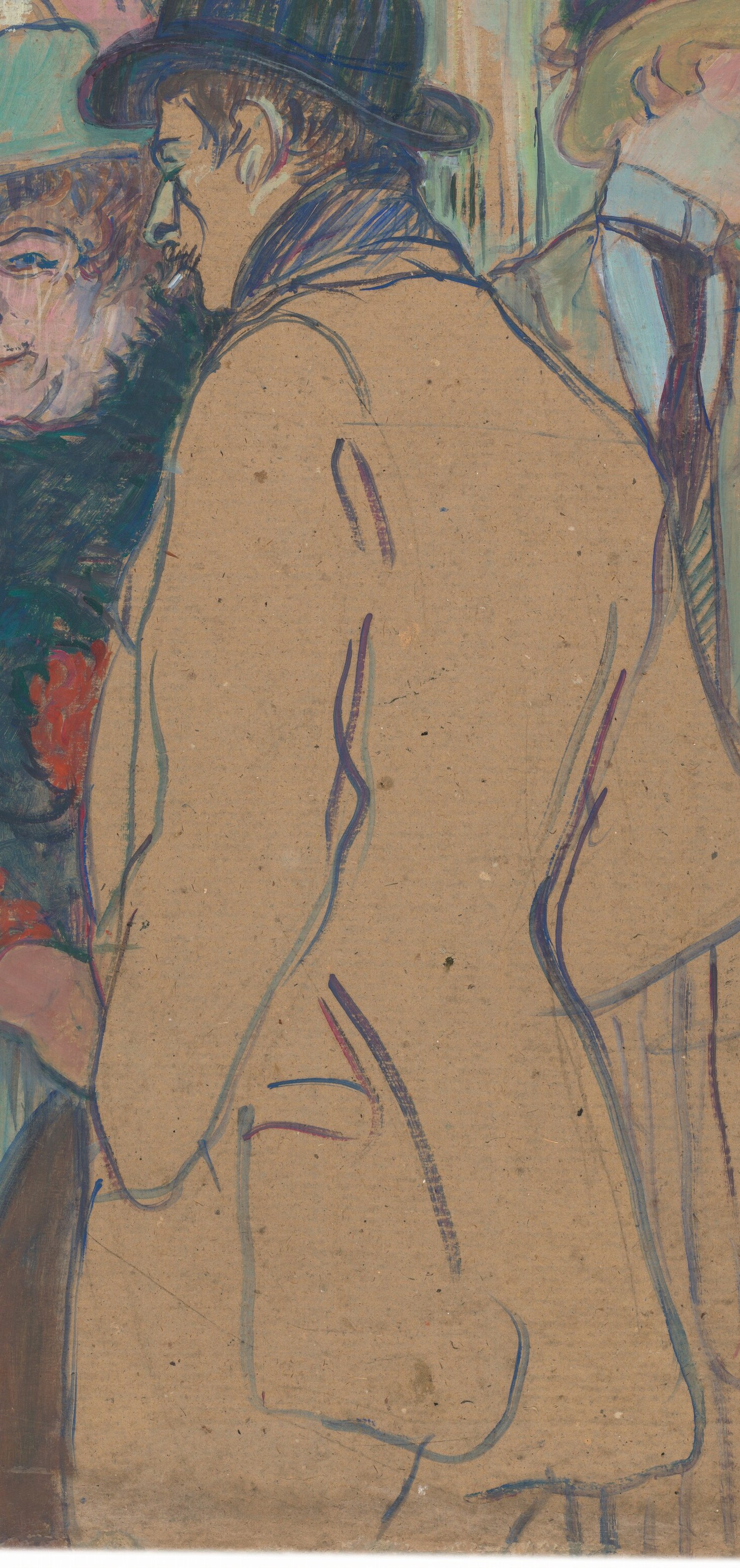
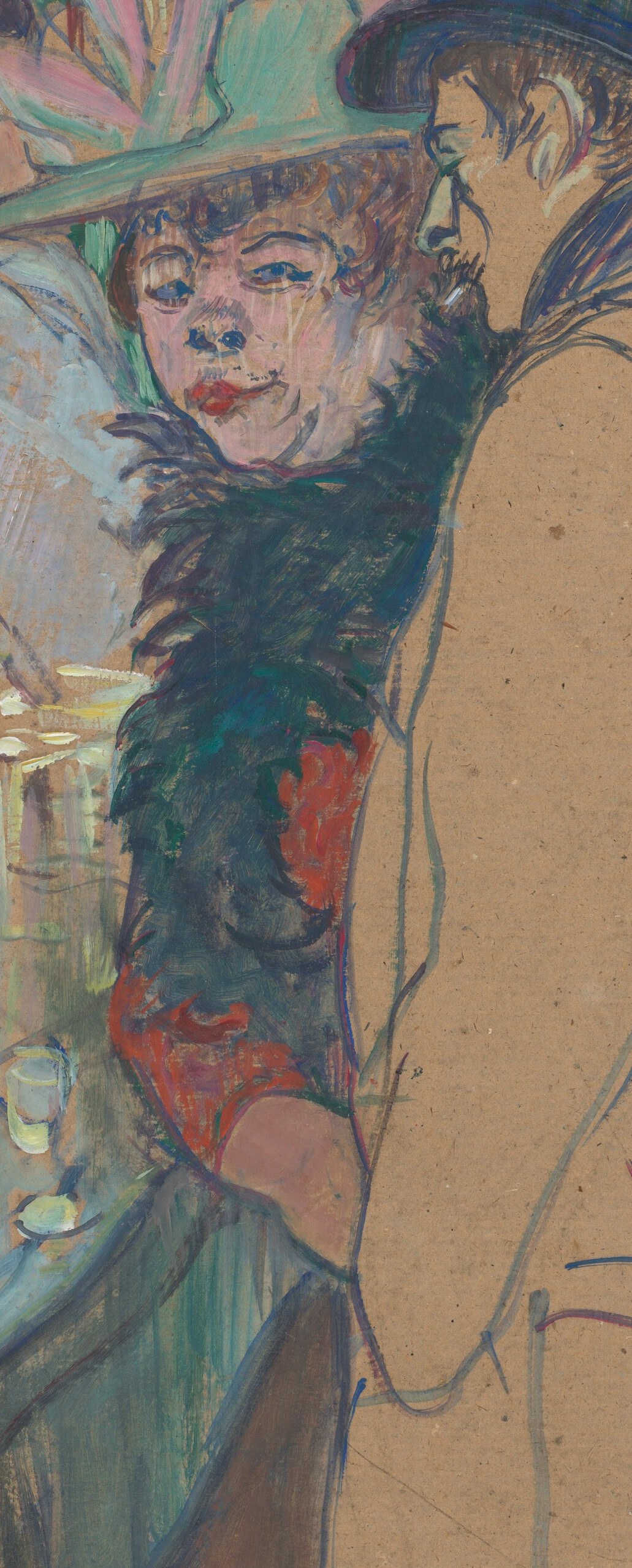
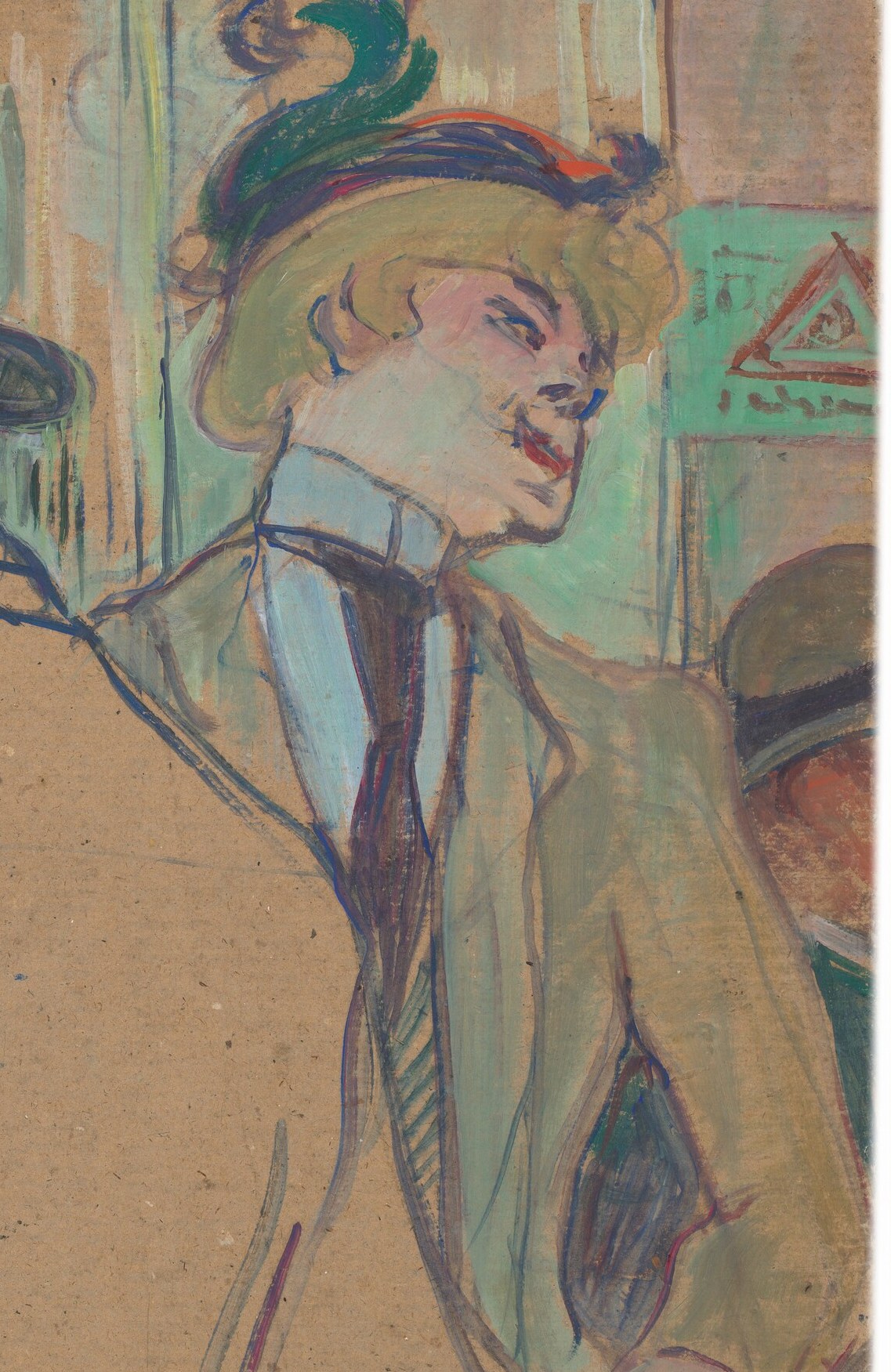
Henri de Toulouse-Lautrec's "Alfred la Guigne," painted in 1894, is a fascinating glimpse into late 19th-century Parisian cafe society, held at a prominent European museum. The painting, an oil on cardboard, captures a man, Alfred, with two women, in what appears to be a casual social encounter.
Notice the vibrant red dress of one woman, a striking contrast to the more subdued outfit of the other. Alfred, the central figure, appears somewhat detached, a common theme in Toulouse-Lautrec's work, which often explored the lives of performers and marginalized figures.
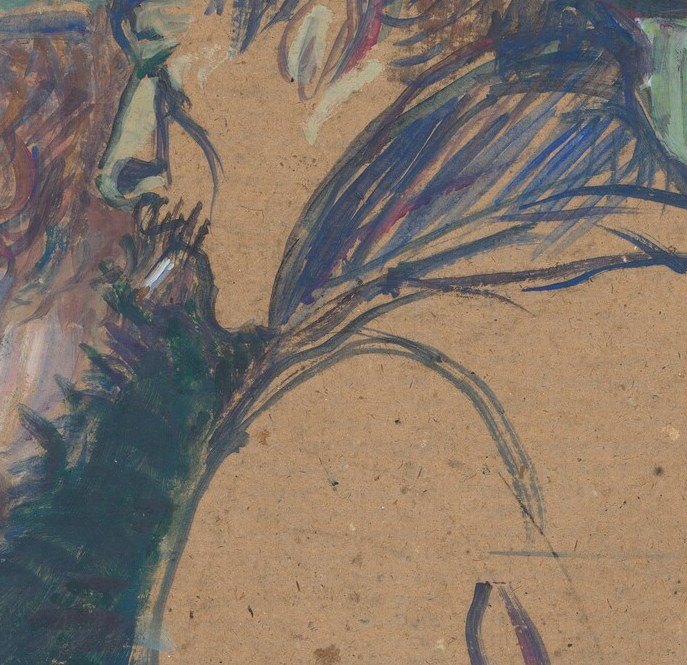
The painting's title, "Alfred la Guigne," is particularly telling. "La Guigne" translates to "bad luck" or "jinx" in French. This subtle detail reveals Toulouse-Lautrec's keen observation of the city's inhabitants, often depicting individuals from the bohemian and working-class circles he frequented. The artist's expressive brushwork and focus on contemporary social scenes exemplify his Post-Impressionist style.
What do you think Toulouse-Lautrec was trying to convey about Alfred and his companions?
Details
Transcript
In 1894, this artist captured Paris nightlife. He shows a man with two women in a cafe. Her vibrant red dress commands attention. But look at the man, Alfred la Guigne. His name, 'la Guigne,' means 'bad luck' or 'jinx'. He was a frequent, unlucky figure in the Parisian underworld.