Portrait of a Man by Hals, Frans
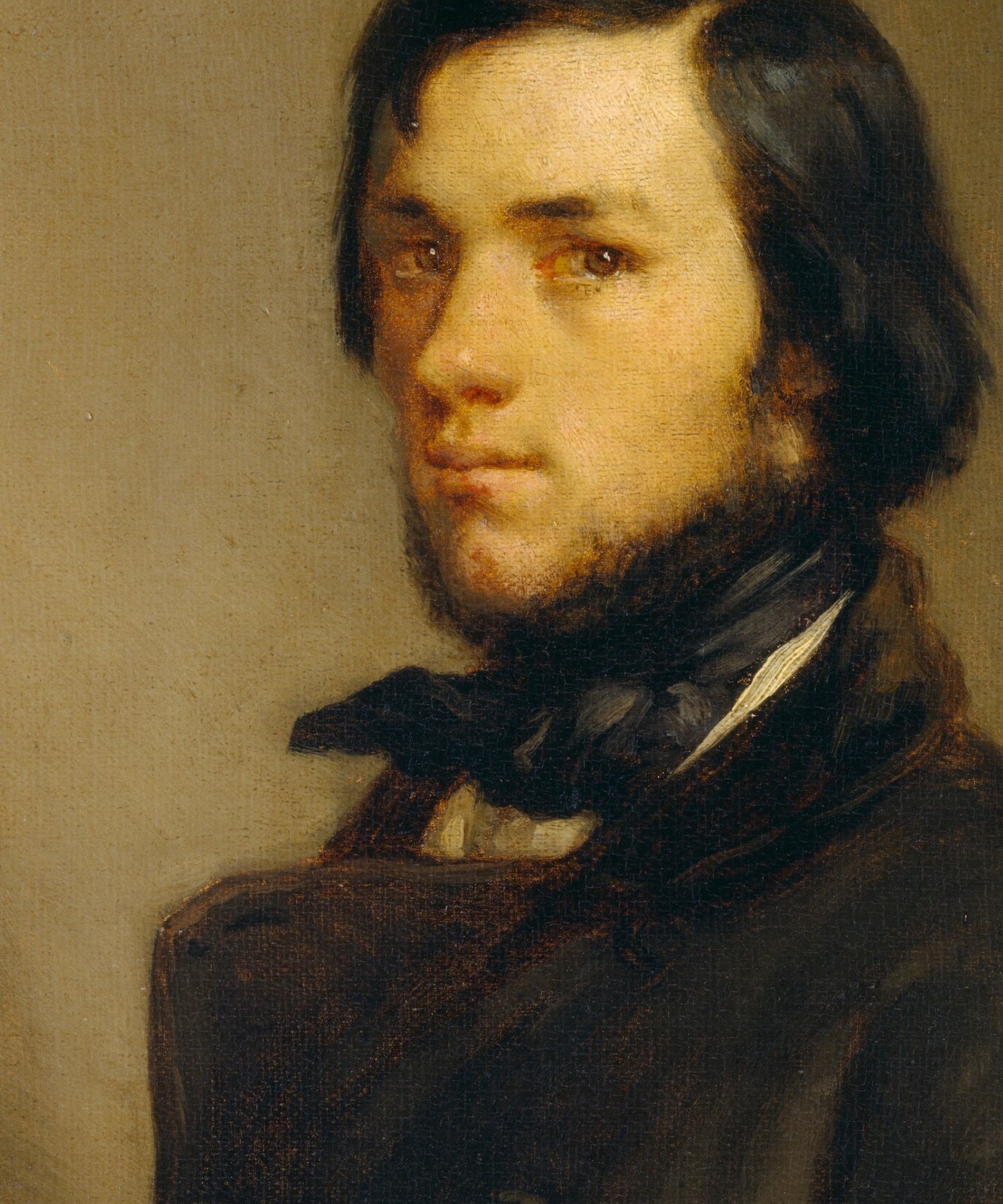
Frans Hals's "Portrait of a Man," painted between 1648 and 1650, is a masterful example of Dutch Golden Age portraiture, held in a private collection. Hals, a leading artist in Haarlem, was renowned for his ability to infuse his subjects with an almost palpable sense of life and immediacy. This particular portrait captivates viewers with its subject's direct and engaging gaze.
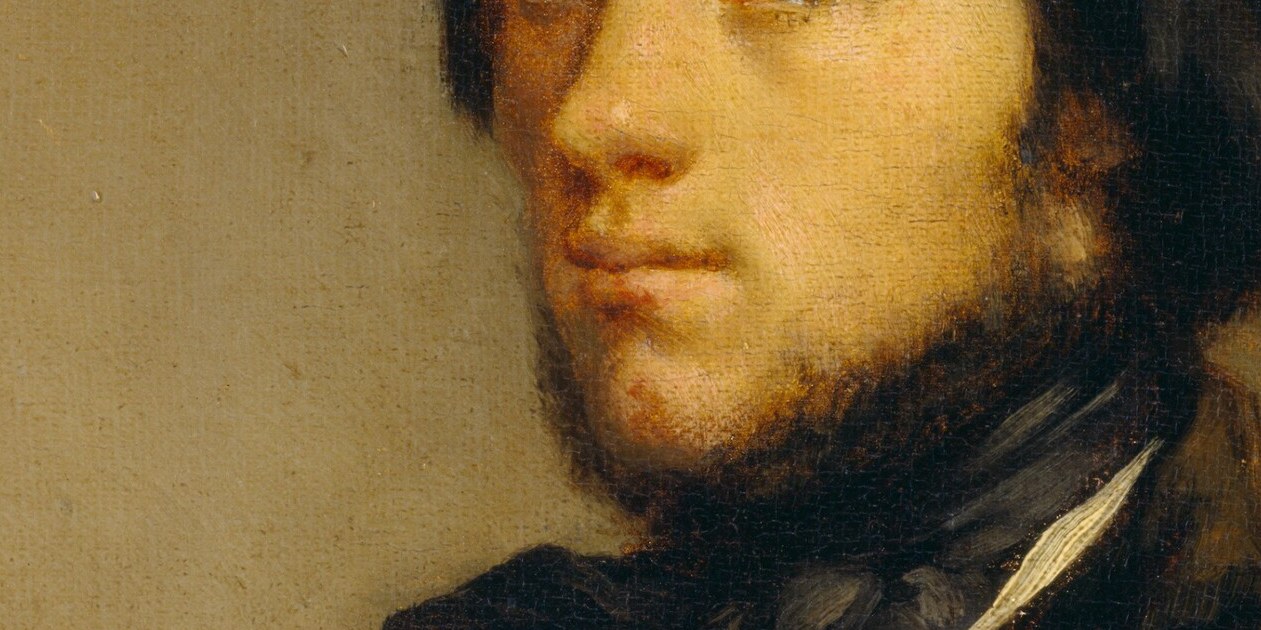
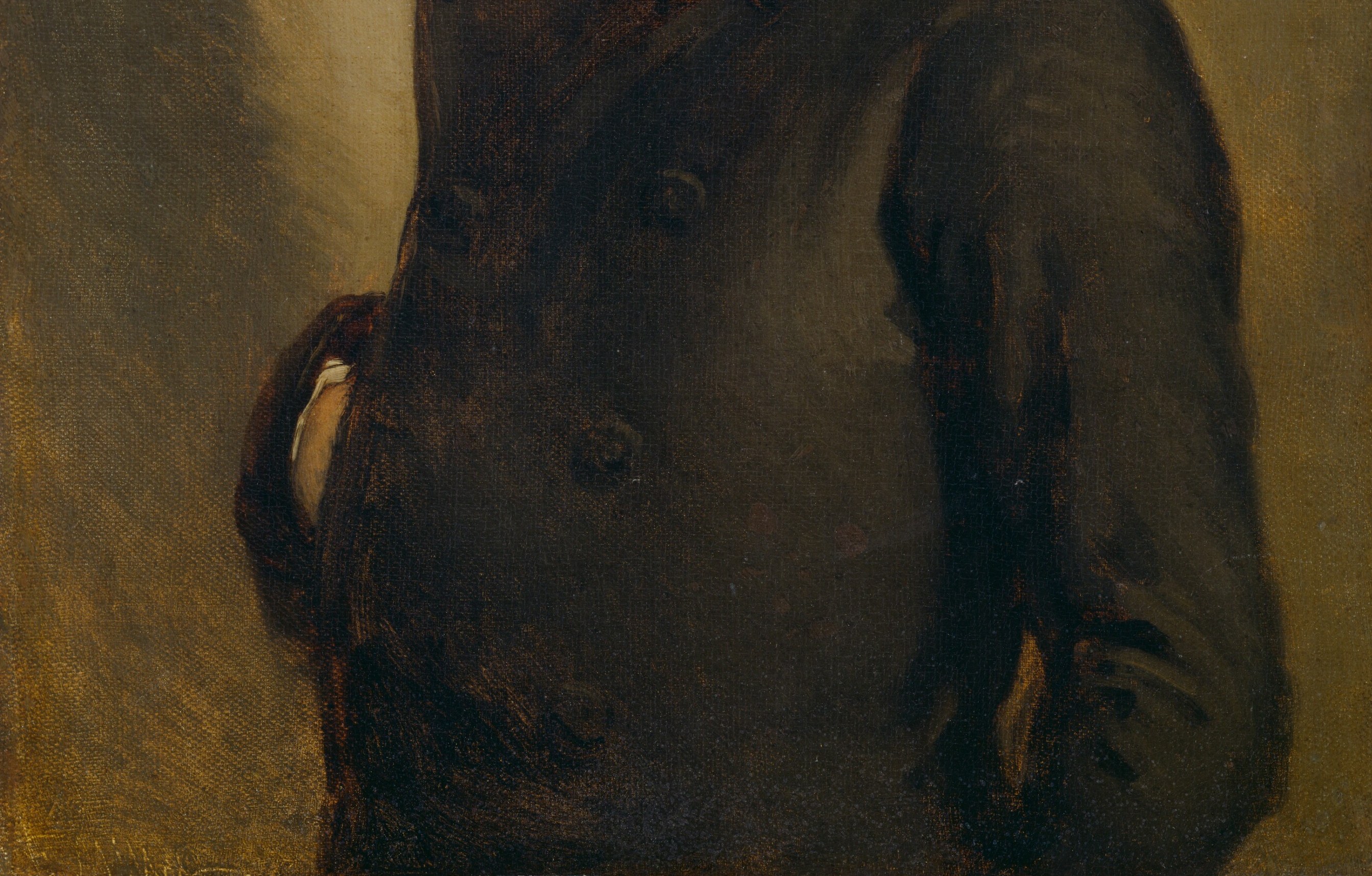
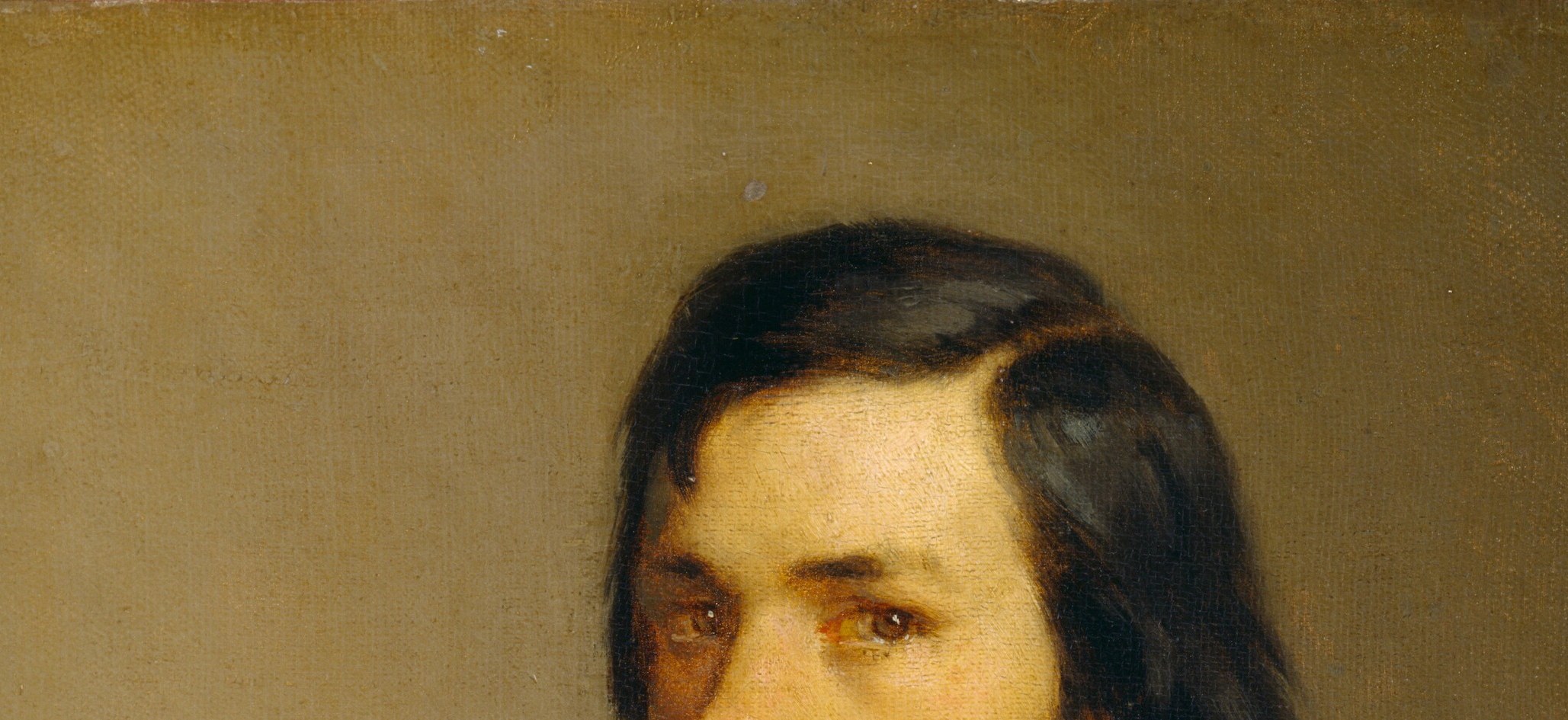
Look closely at the expressive brushwork, particularly in the crisp white collar and the subtle rendering of the man's features. Hals's technique, characterized by loose, confident strokes, suggests texture and movement rather than meticulously detailing every element. This approach creates a vibrant and dynamic quality, making the sitter feel present and alive.
During the Dutch Golden Age, there was a high demand for portraits among the burgeoning merchant class. Hals excelled at fulfilling these commissions, capturing the individual character of his wealthy burgher clients. His work stands in contrast to the more rigid styles of his contemporaries, offering a more spontaneous and intimate portrayal.
This painting invites us to connect with a person from centuries past, whose personality still shines through the canvas. What do you think his expression conveys?
Details

Transcript
This man looks right at you. He was painted by Frans Hals, a Dutch master. Hals was known for capturing a sitter's lively presence. Notice the quick, confident strokes in his collar. This technique gives the illusion of texture and movement. His direct gaze has resonated for centuries.