Portrait of a man by Frans Hals
Around 1650, Frans Hals, a master of the Dutch Golden Age, painted this compelling "Portrait of a Man." Held in the Statens Museum for Kunst, the painting is more than a likeness, it's a statement of identity and status.
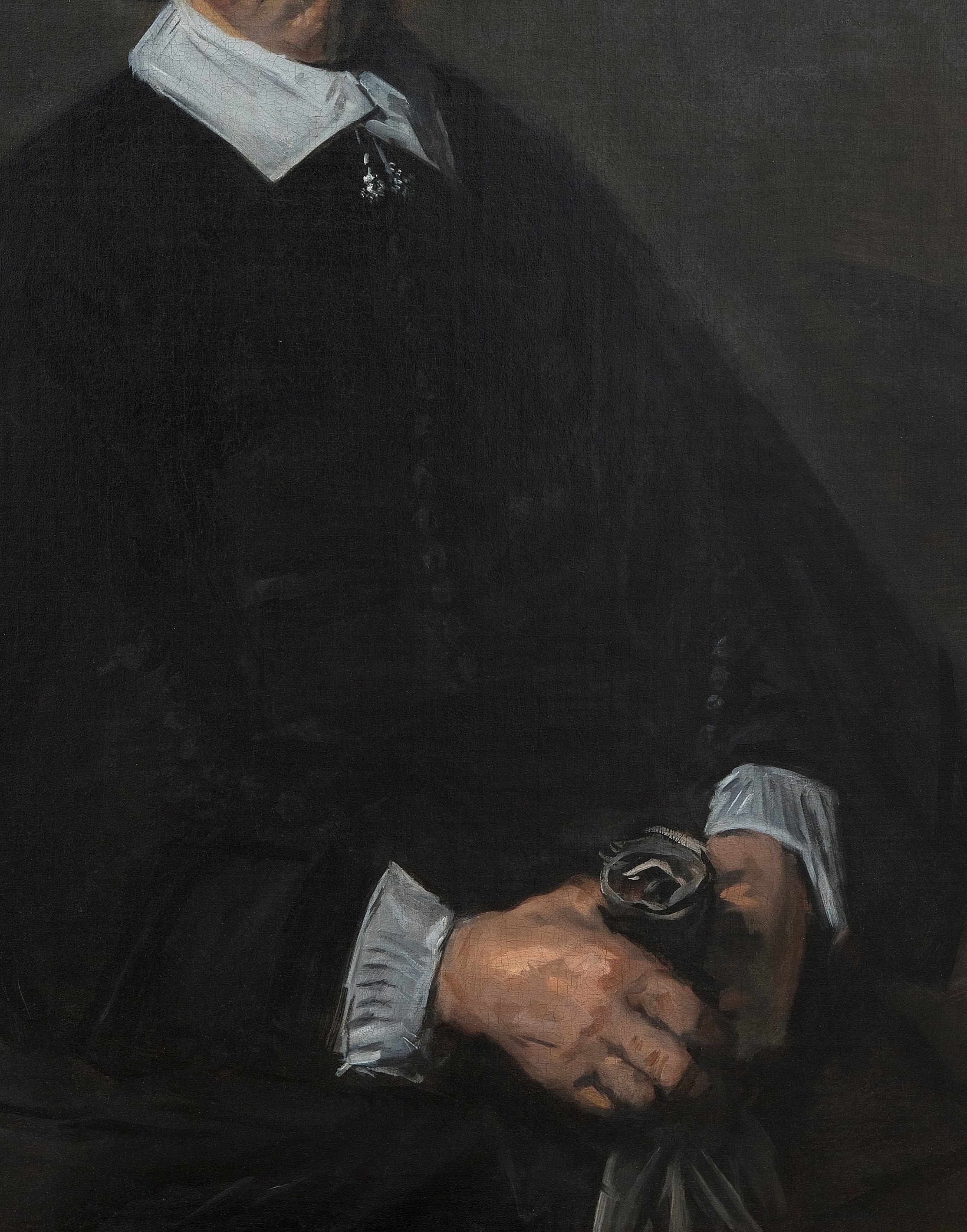
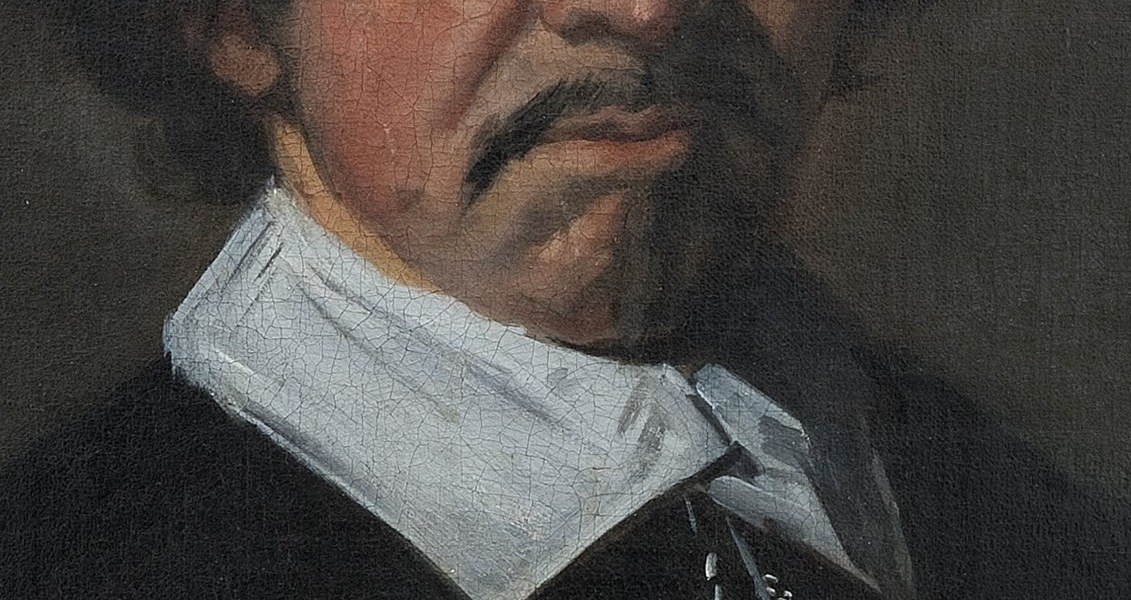
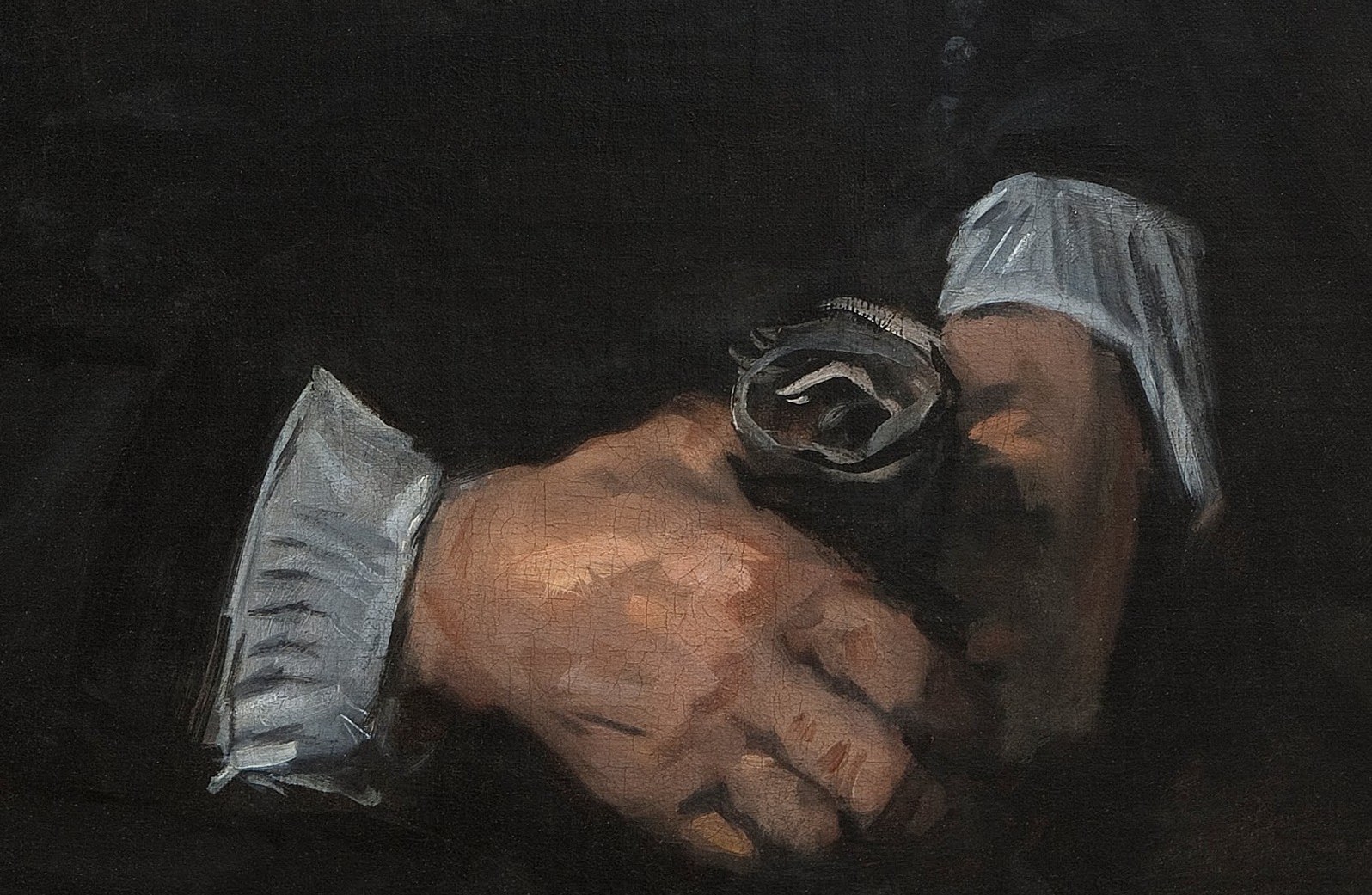
Observe the man's formal, dark jacket, offset by a crisp white collar and cuffs. This sober yet elegant attire immediately signals his standing as a wealthy and respectable burgher in 17th-century Dutch society. The focal point of his hands, grasping a single dark glove, is particularly significant.
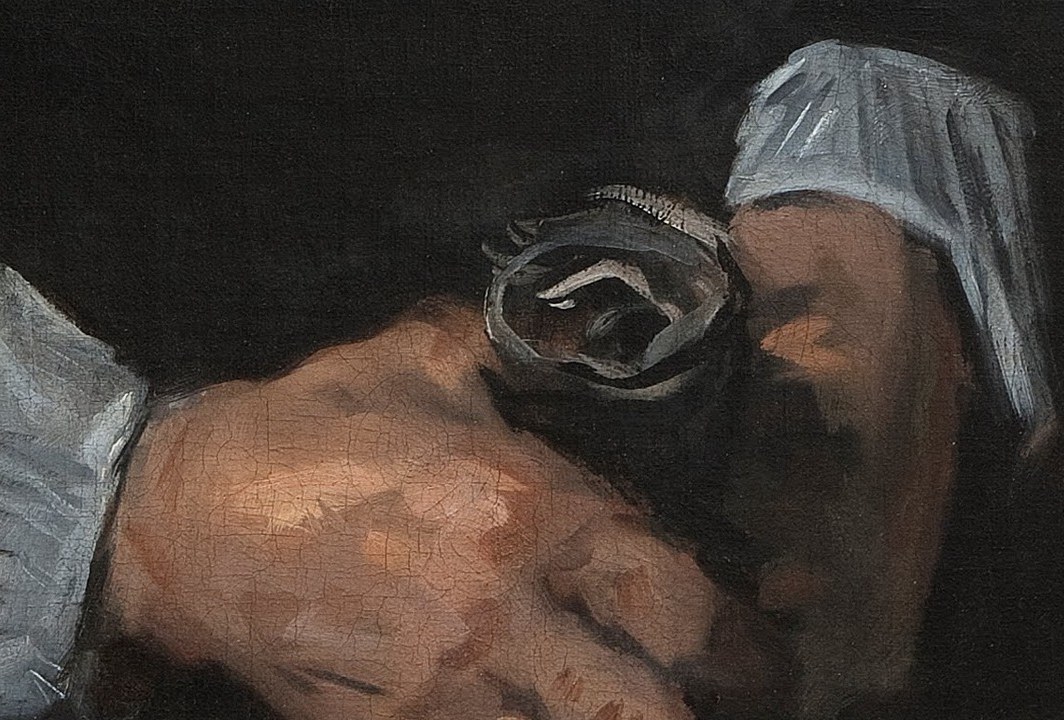
In Hals's time, gloves were powerful symbols. They could indicate a man of wealth, someone holding a position of civic office, or even a marriage proposal. The specific rendering of this glove suggests the sitter's importance.
Frans Hals was celebrated for his ability to capture the lively personalities of his sitters, often with a direct gaze and a hint of a smile, making his portraits feel remarkably immediate and engaging. This painting stands as a testament to his skill and the nuanced visual language of the era.
Details
Transcript
This portrait of a man was painted around 1650. Notice his formal, dark jacket and crisp white collar. Such sober attire marked him as a respectable, wealthy burgher. In his right hand, he holds a single dark glove. This glove was a powerful status symbol, denoting wealth or office. His direct gaze is typical of this painter's lively portraits.