Napoleon Bonaparte (1769–1821) by http://www.wikidata.org/.well-known/genid/d3a72cdf531e5ca351700d5ef66e2c89
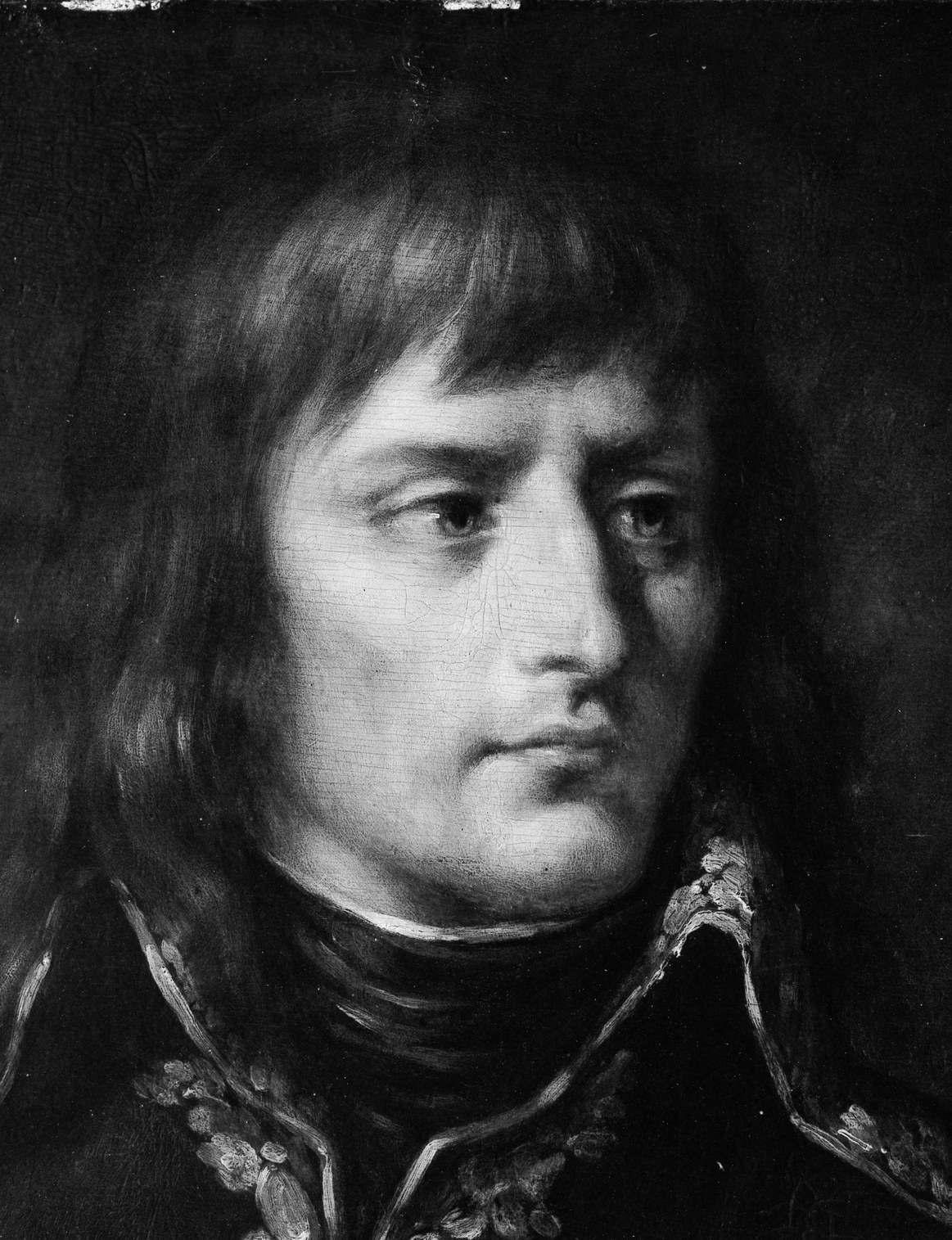
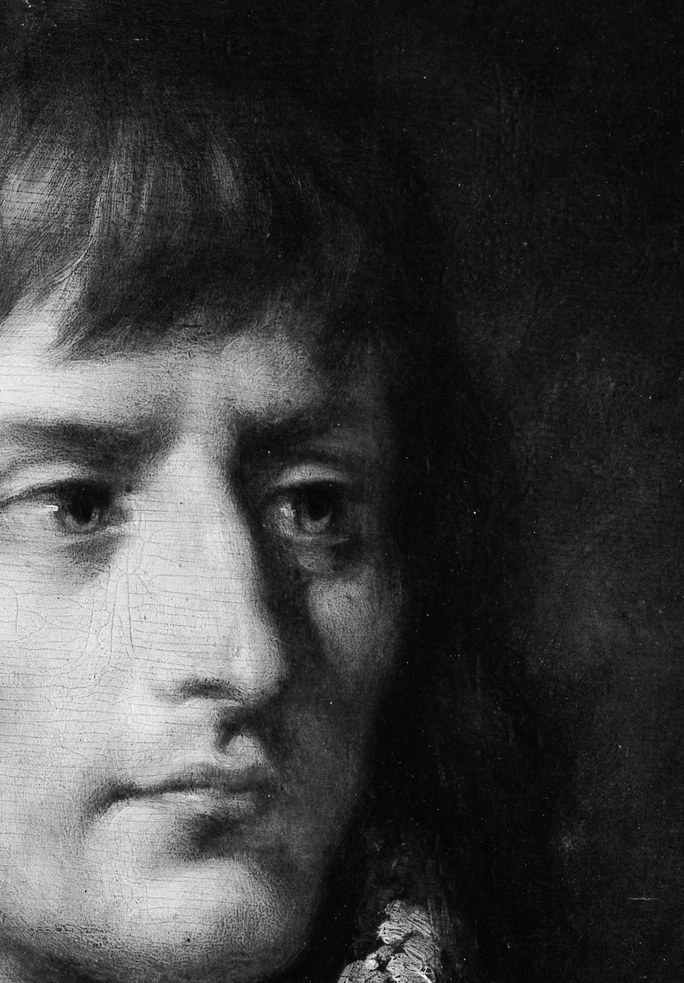
This portrait of Napoleon Bonaparte, painted around 1800 by an unknown French artist, captures him not as Emperor but as First Consul, the moment when his power was consolidating but his image was still being invented.
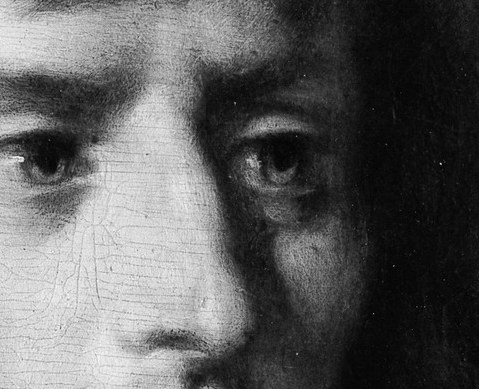
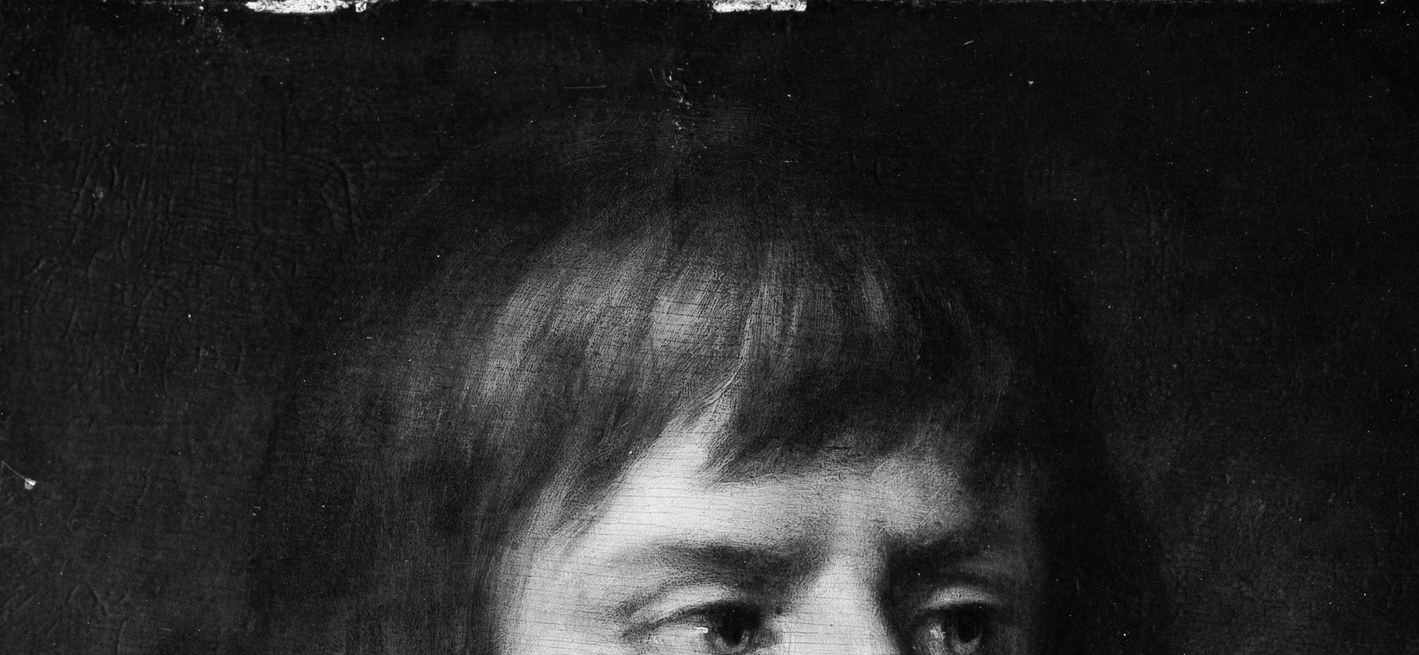
Look at two things: the hair and the shadow. His unpowdered, loose hair is a direct refusal of the aristocratic wig. After the Revolution, how you styled yourself was a political act, and Napoleon chose to look like a modern man, not a Bourbon king. Then look at the left side of his face, half-lost in near-black shadow. This is chiaroscuro used with real purpose. The light carves him out of obscurity, making the face feel emergent, unfinished, still becoming, exactly the story he wanted told about a young man from Corsica who now ruled France.
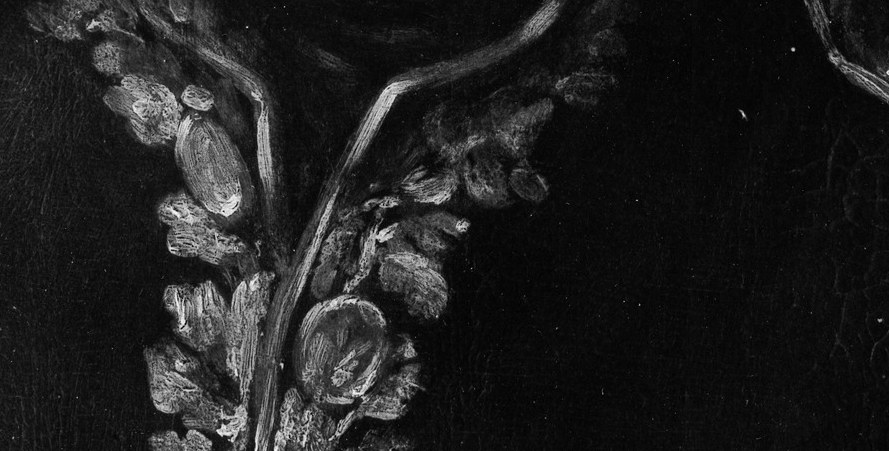
The portrait dates from a period when Napoleon was intensely aware of how images built power. He commissioned official state portraits from David and Gros that depicted him crossing the Alps or crowning himself, but smaller, direct likenesses like this one served a different function: they circulated among officers and loyalists, presenting a more intimate, serious, and resolute face. The gold embroidery on his collar identifies his rank, but the psychological work is all done by the lighting.
We do not know which painter created this particular version, but the handling of the skin tones, especially the reflected light keeping the shadowed cheek legible, shows a hand trained in the same techniques that animated the great state portraits. It was meant to be looked at closely, by someone who already believed.
Details
Transcript
He looks younger than you expect. Napoleon Bonaparte was already First Consul when he sat for this. No wig. Loose hair was a political choice after the Revolution. The gold embroidery on his collar marks him as a senior officer. But the real power move is the light. Half his face emerges from near-total shadow. A man who rose from nothing. The painter used chiaroscuro to make a single face feel like an argument.