David Anderson by Raeburn, Henry, Sir
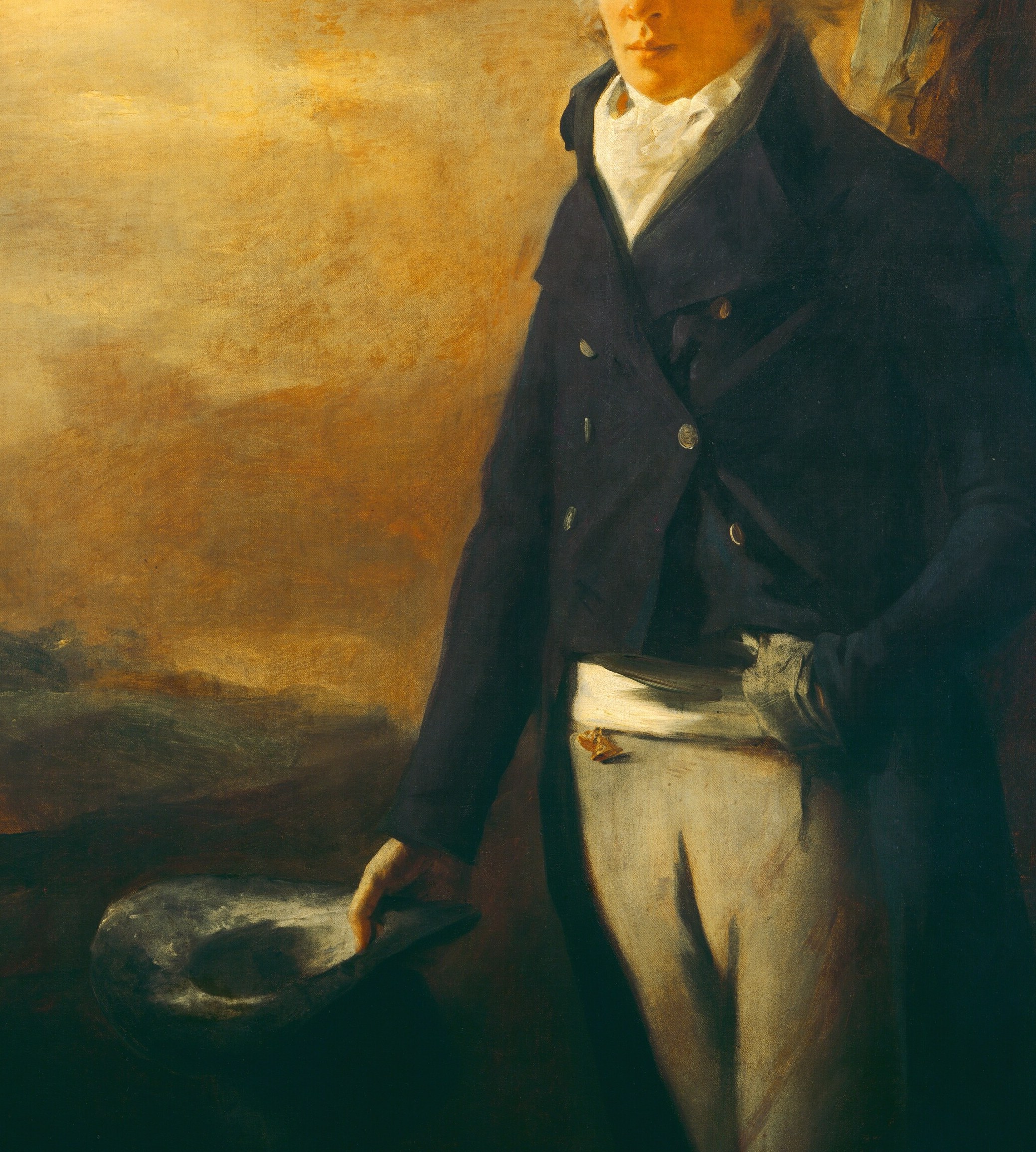
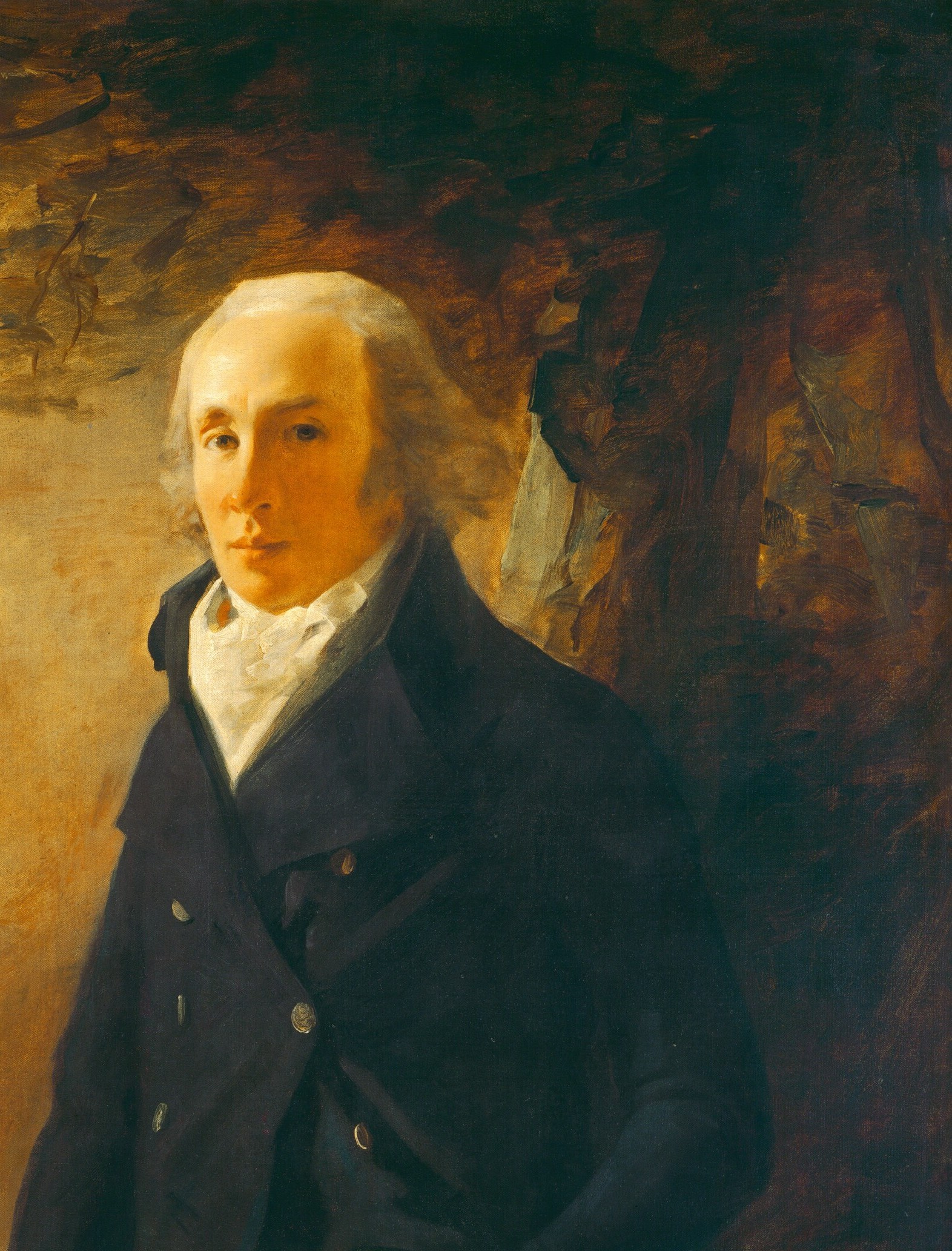
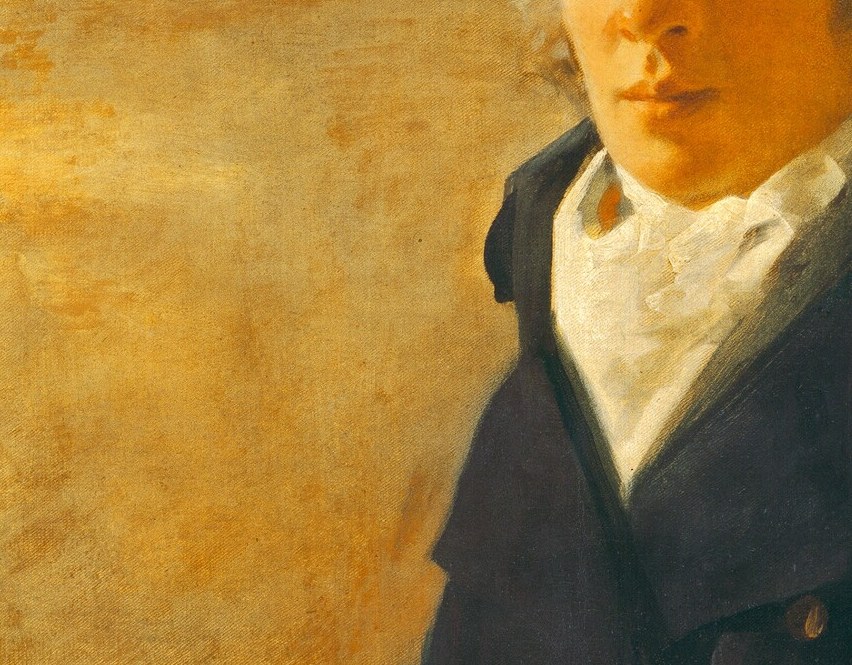
This is David Anderson, painted by Sir Henry Raeburn in 1790. The portrait now lives at the National Galleries of Scotland.
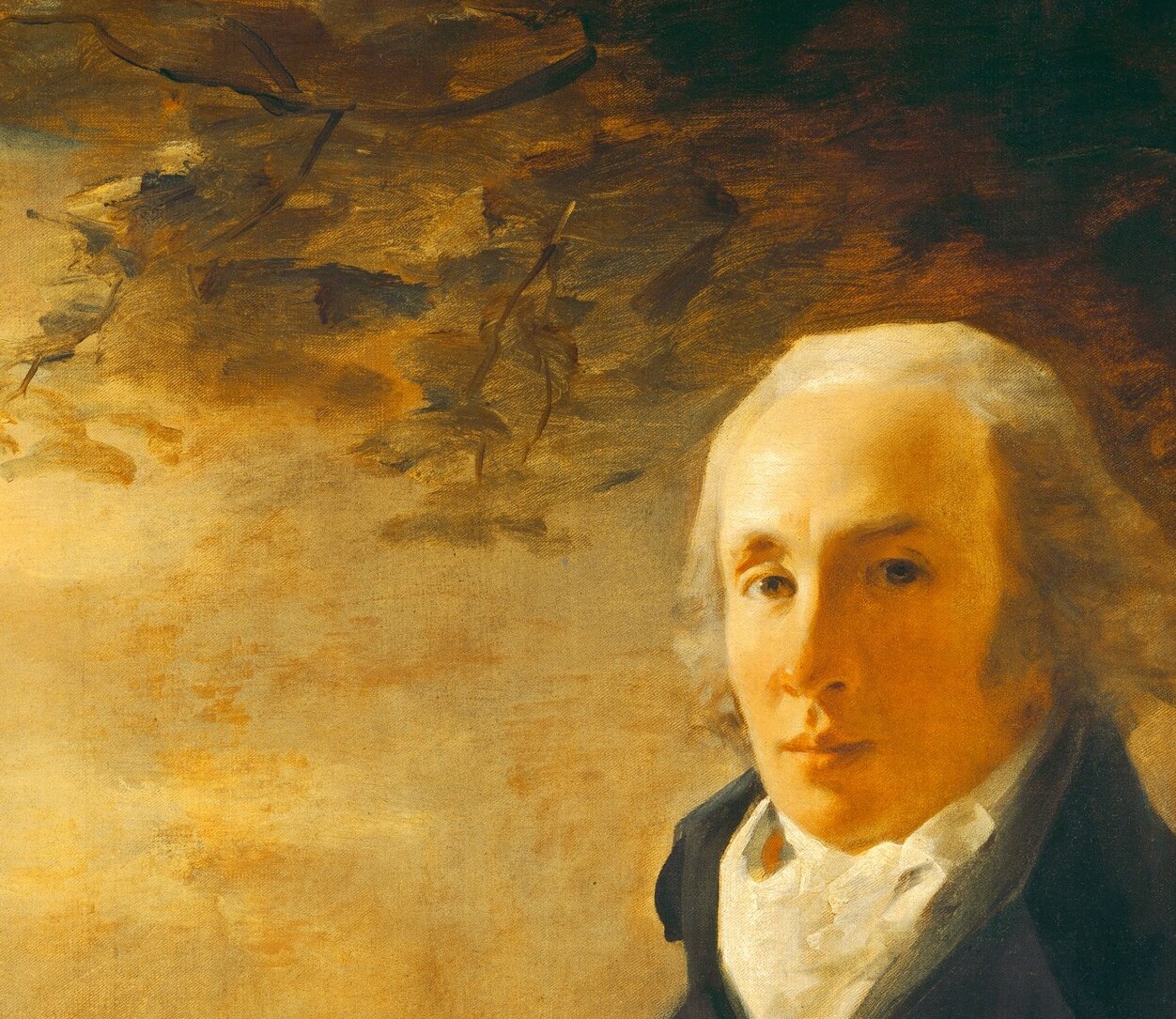
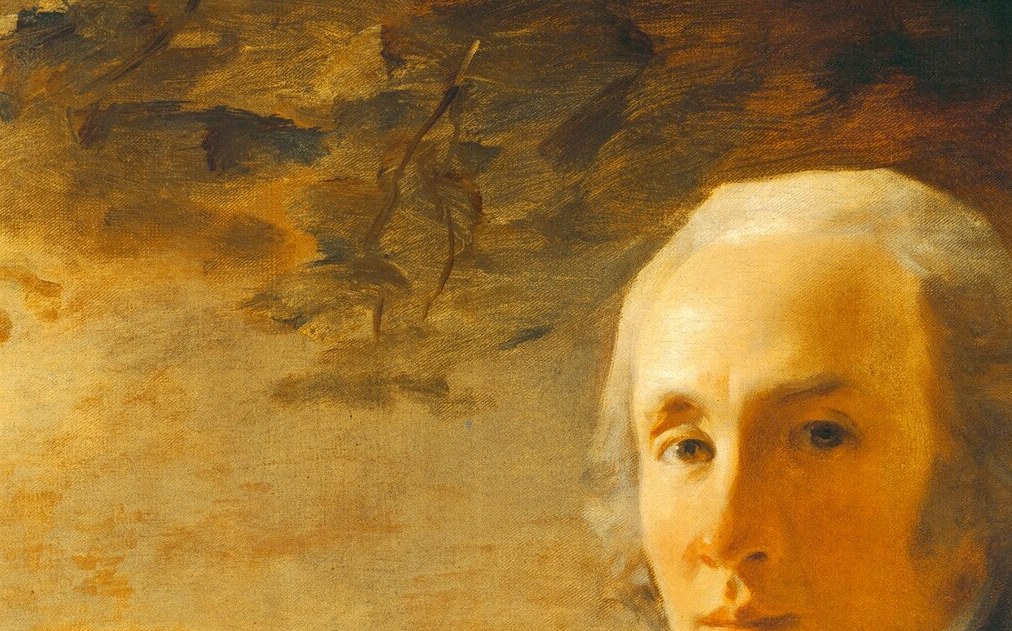
Look first at the face. Raeburn built it with the thinnest glazes laid over warm ground, so the skin feels alive rather than painted. The eyes look slightly left of center, steady and composed. Then look at the background. The amber sky and dark trees are broad, loose, almost unfinished. Raeburn concentrated his attention where it mattered most: the human presence.
1790 was a hinge year. Raeburn had just married Ann Leslie, a well-off widow, and returned from a brief, transformative trip to Rome. He was setting up in Edinburgh, staking a claim among established painters and a skeptical society. A full-length portrait like this one was a test. If it failed, he would slide back into miniature work and obscurity.
He passed. Within a few years Raeburn was the dominant portraitist in Scotland, knighted by George IV, painting everyone who mattered. This early picture shows what made him: a directness that trusts the sitter's character to hold the frame. The man in the chair is not grandly posed or mythologized. He is simply there. And that is enough.
Details
Transcript
Edinburgh, 1790. A young painter opens a studio. He has just married a wealthy widow. Society is watching. This portrait had to prove he belonged. So he put everything into the face. Those eyes are steady. Unhurried. A man sure of himself. But look past him. The landscape barely holds its shape. Raeburn spent his care on people, not scenery.