Mrs. Robert Shurlock Sr. (Ann Manwaring) by John Russell
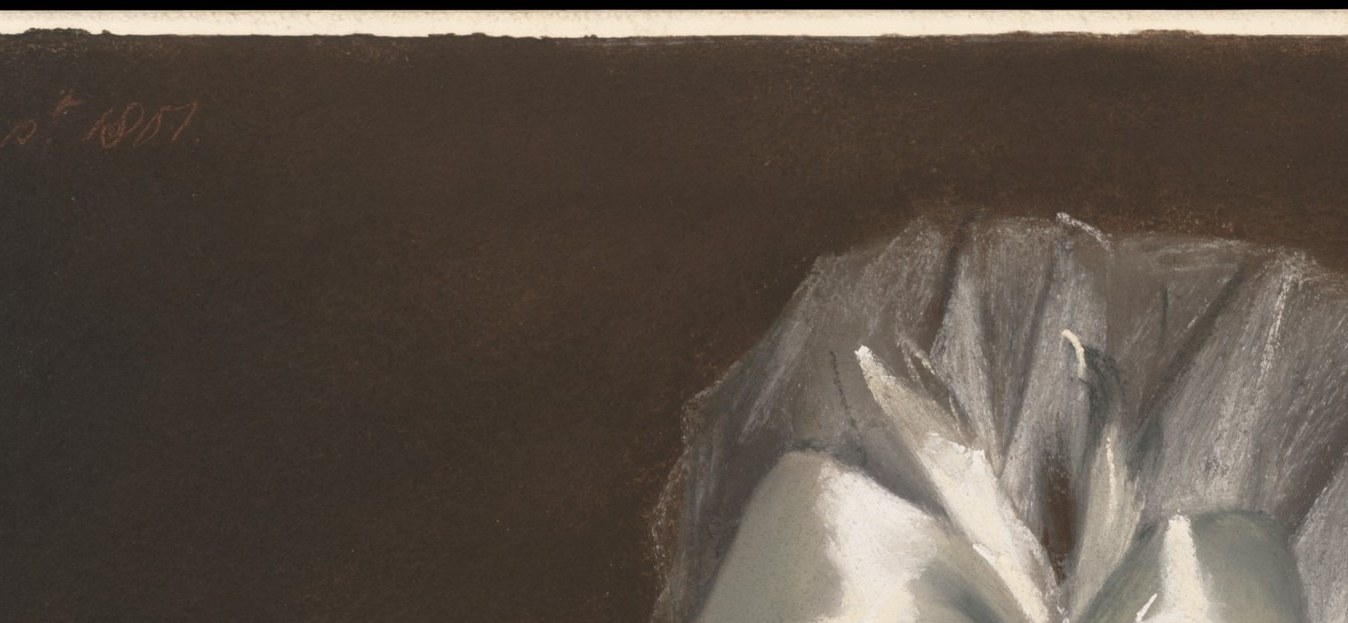
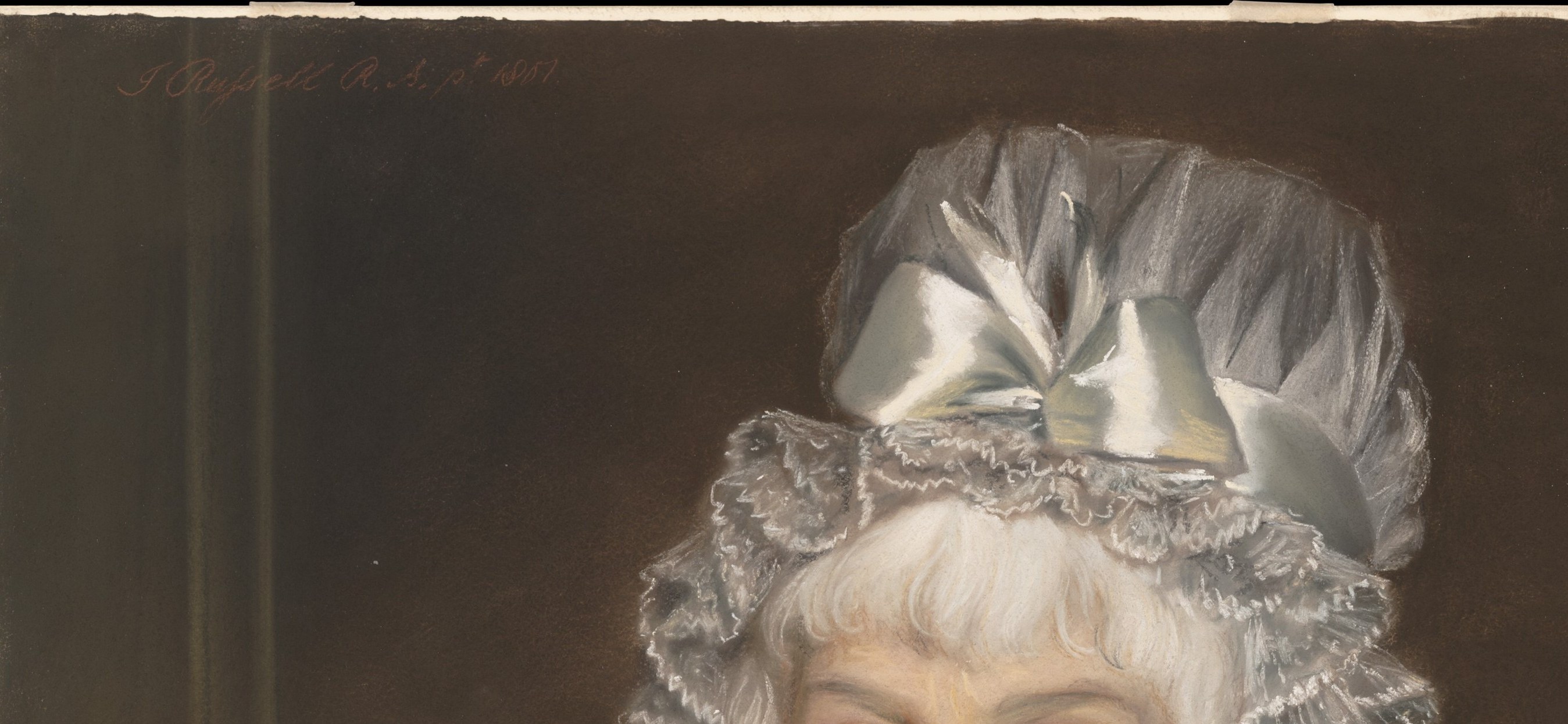
This is Mrs. Robert Shurlock Sr., born Ann Manwaring, painted by John Russell in 1801. It lives at The Metropolitan Museum of Art, and it is a quiet masterclass in how a gentlewoman of the era performed her status without saying a word.
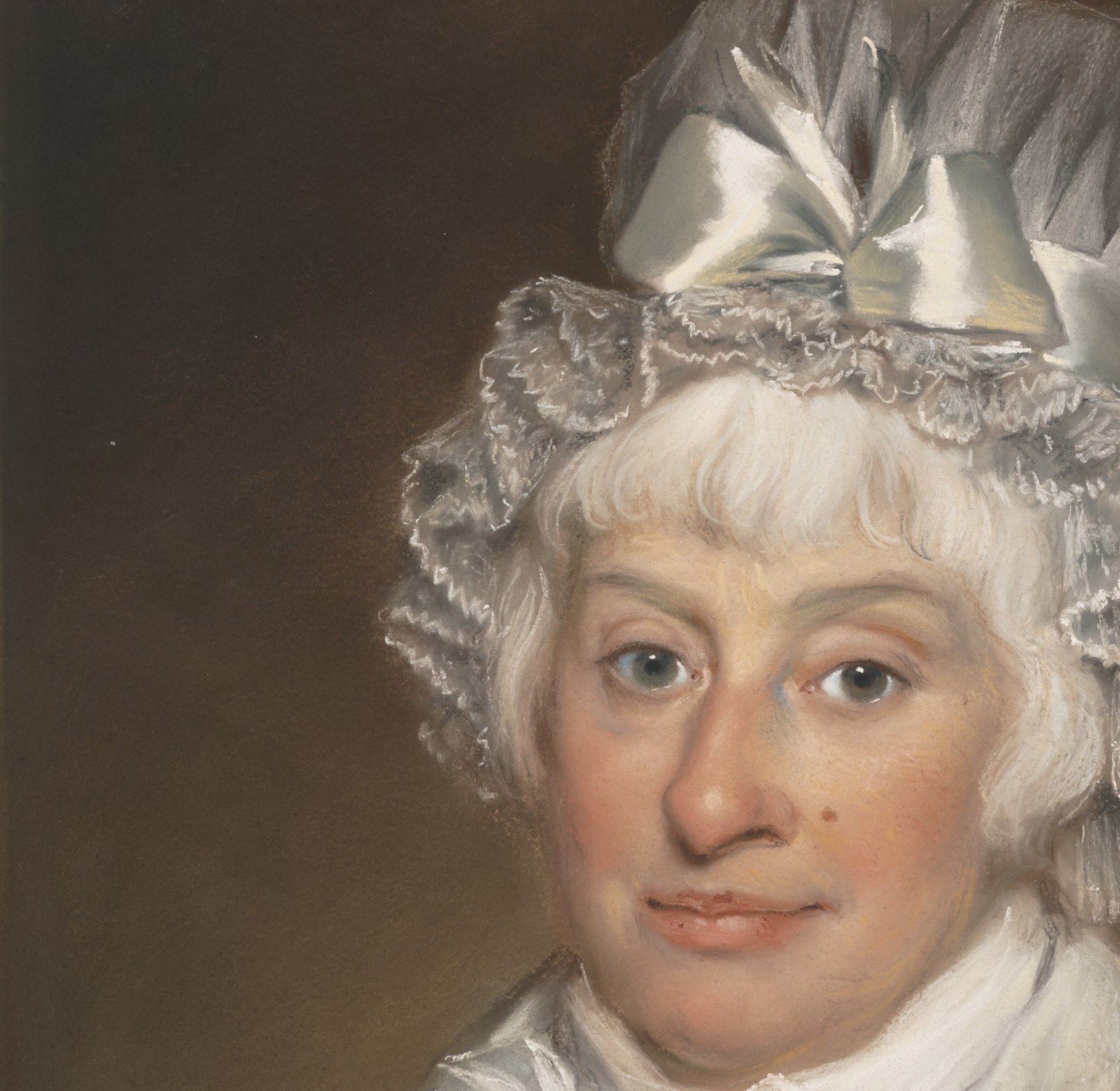
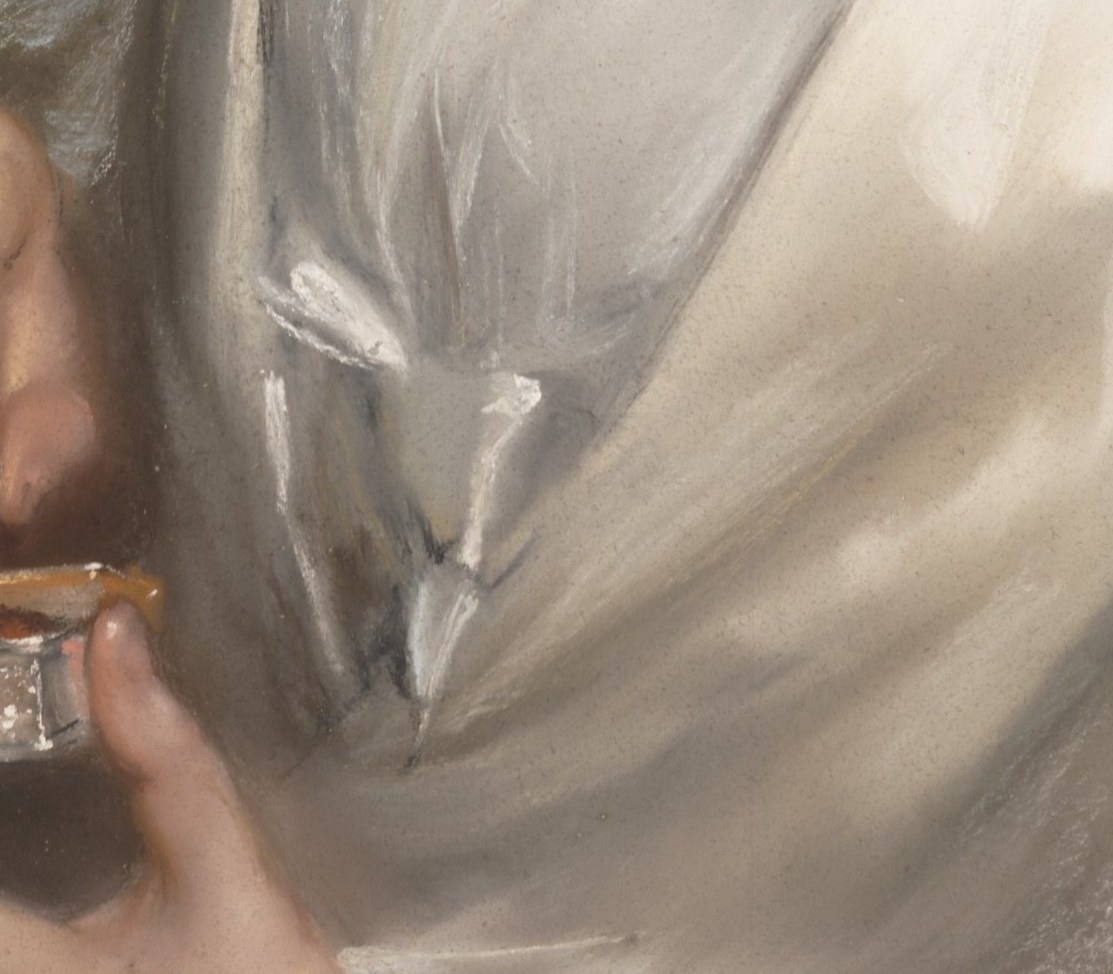
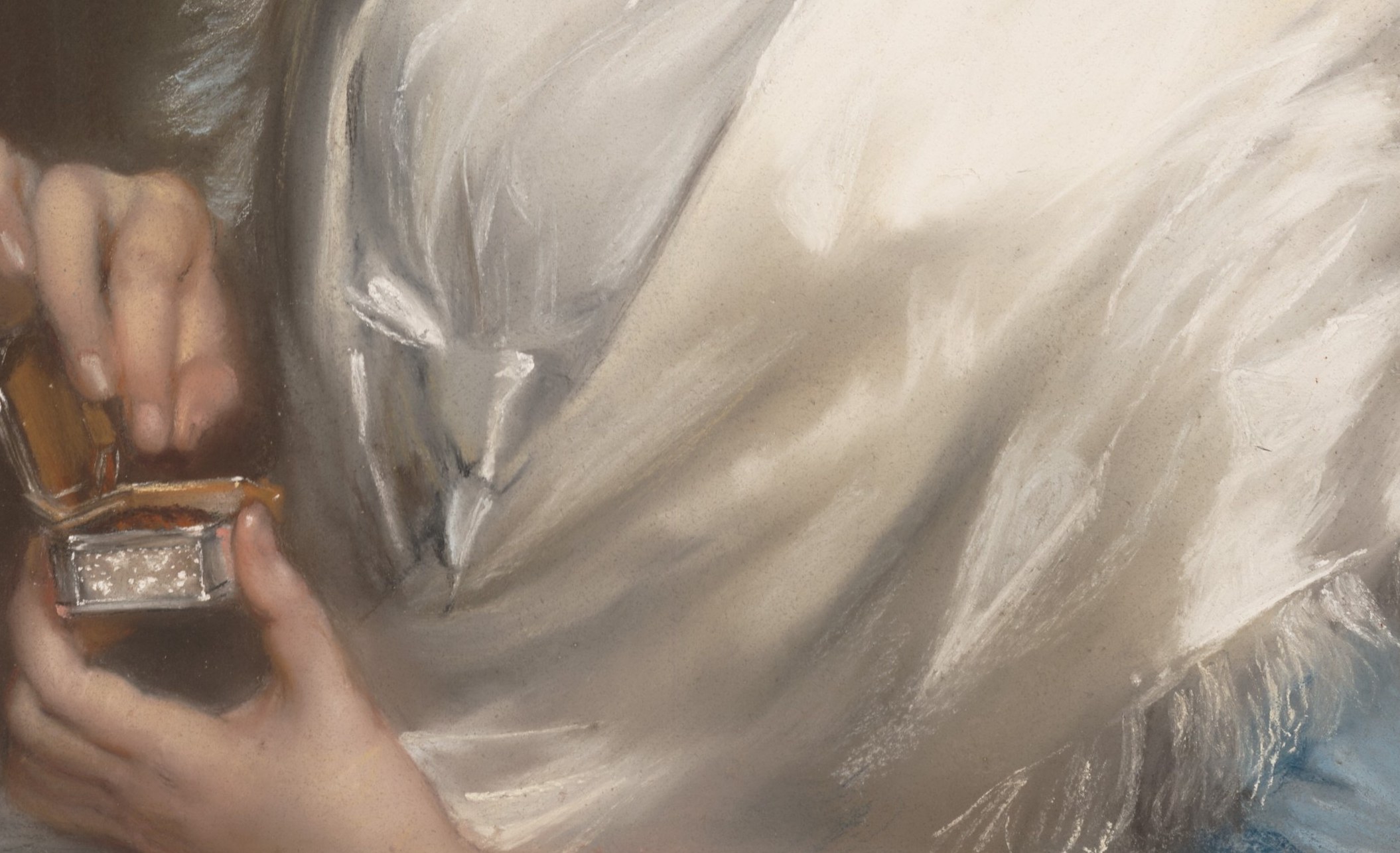
Every object here is a legible code. The enormous white mob cap and fine lace collar were the height of fashion at the turn of the nineteenth century, and their scale announces maturity and propriety. The small gilt snuffbox in her left hand is not a private vice: displaying and using a snuffbox was a parlour ritual among genteel women. Meanwhile her open right hand suggests an interrupted conversation or an offer, a gesture that makes the portrait feel like a captured moment rather than a stiff pose.
John Russell was one of the great pastel painters of eighteenth and early-nineteenth century Britain, appointed Crayon Painter to King George III. Pastel allowed him to render the soft textures of lace, silk, and skin with an almost breathing luminosity. He builds the pale gray dress and the cap with almost no hard edges, letting the figure dissolve softly into the dark umber background. The direct, steady gaze of the sitter is the portrait's anchor, confident without being haughty.
A portrait like this was a social tool. Ann Manwaring, married to a Surrey landowner, used it to project the quiet authority of a woman secure in her standing. When you look into her eyes, the codes fall away, and you meet the person who wore them.
Details
Transcript
She faces you with a direct, confident gaze. This enormous white lace cap was high fashion in 1801. Its volume signals mature respectability, not youthful display. Now look at what she holds: a gilt snuffbox. Owning and displaying a snuffbox was a genteel parlour ritual. Her open hand suggests an interrupted conversation. The red chair edge anchors her in a domestic interior. Together, these are the quiet codes of a woman with social standing to protect.