Portrait of a Young Boy by http://www.wikidata.org/.well-known/genid/945b55d3365e0d71532937827d35c5c7
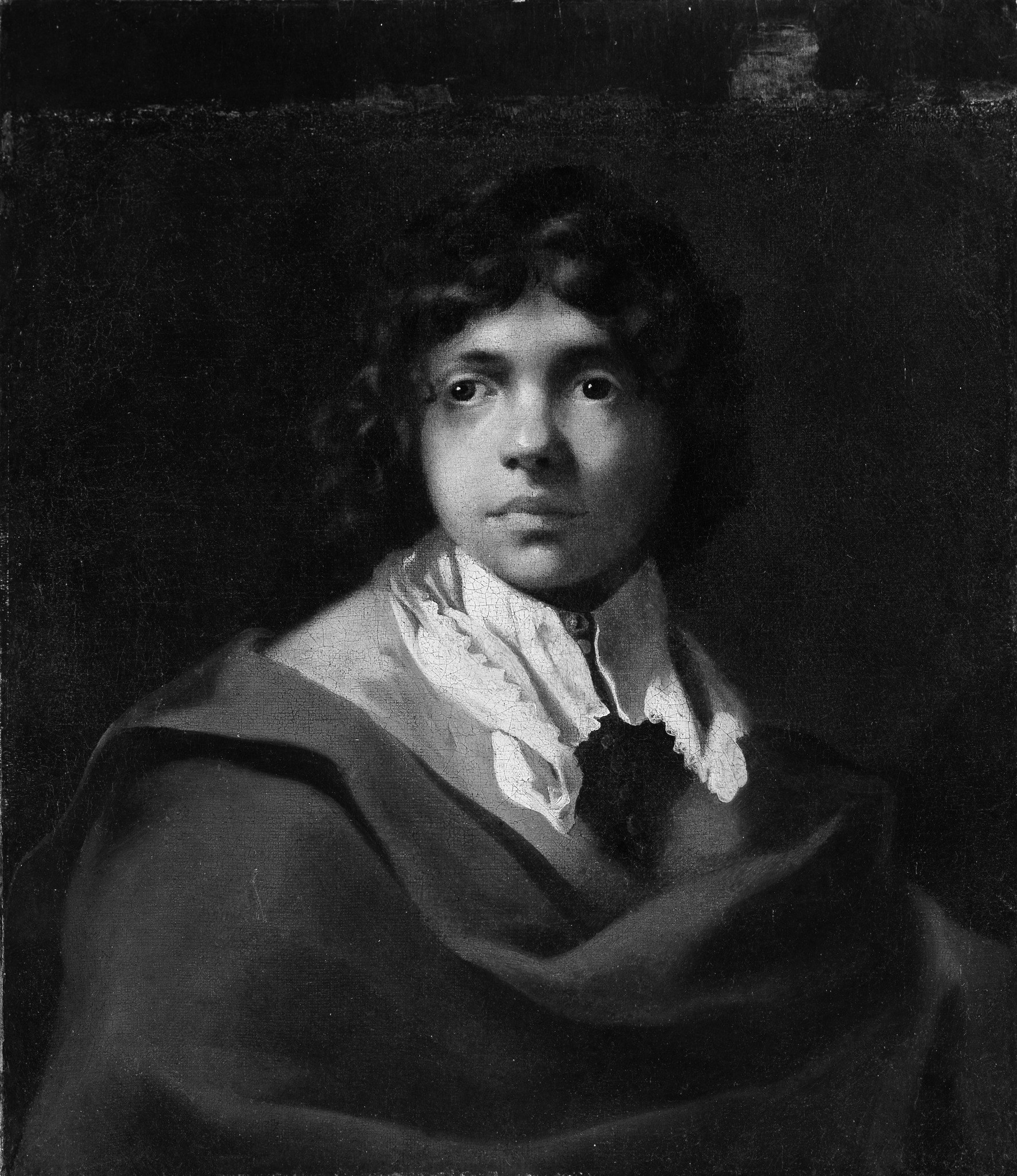
Juan de Valdés Leal's 'Portrait of a Young Boy' (c. 1660), now in a private collection, was once considered quite scandalous.
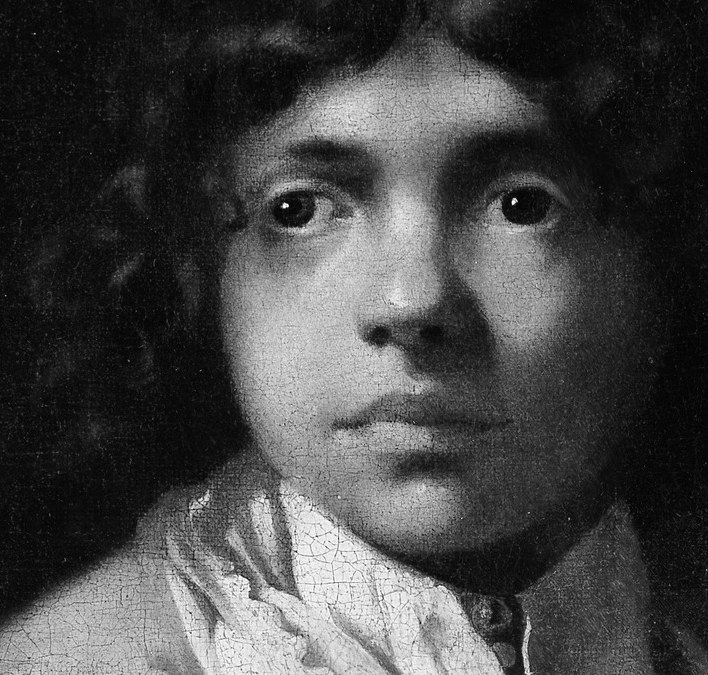
Today, we appreciate the directness of this young man's gaze and the painting's stark simplicity. However, in the 17th century, this unadorned approach to portraiture was seen as too confrontational and lacking the expected classical allusions or allegories of the time.
Critics often favored works with more narrative or symbolic complexity. The painter's choice to present the subject so plainly, without the usual trappings of status or learned references, challenged the artistic conventions of his era.
This painting is a fascinating reminder of how artistic tastes and societal expectations evolve over centuries. What do you find most striking about his expression?
Details
Transcript
This young man gazes out, simply and directly. No allegories, no grand gestures, just a boy. In its day, this unadorned portrait was considered scandalous. Art critics found his direct stare too confrontational. It was thought to lack appropriate classical references. Yet, this stark simplicity makes it so compelling today.