Peasant Girl with a White Headcloth by Wilhelm Leibl
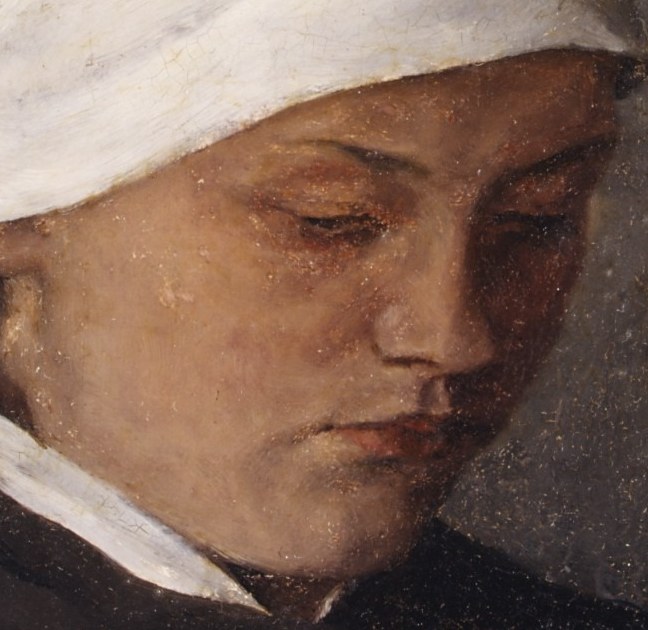
Wilhelm Leibl's 1893 oil painting *Peasant Girl with a White Headcloth*, held at The Metropolitan Museum of Art, is more than a simple portrait. It once had to be hidden during a daring museum heist.
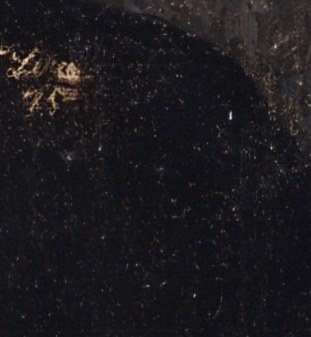
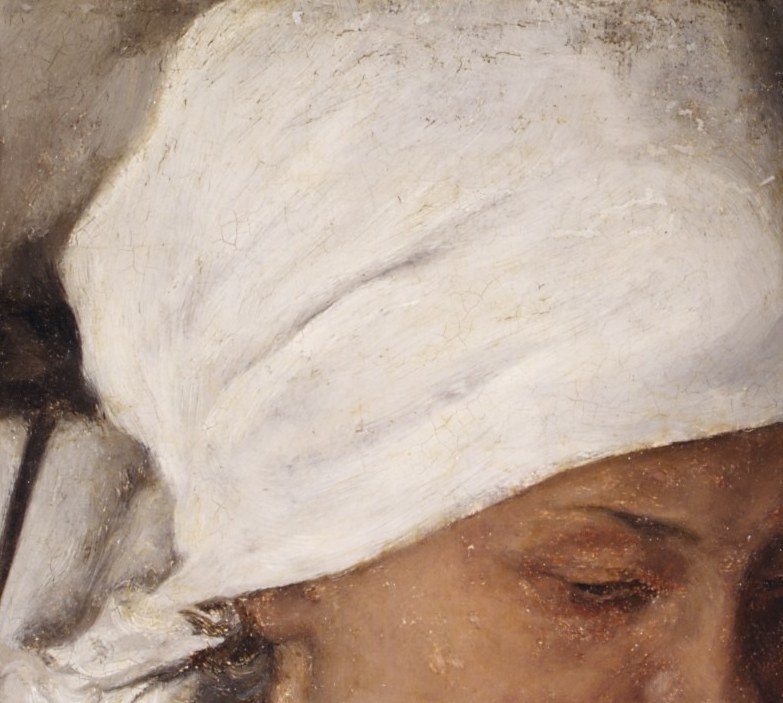
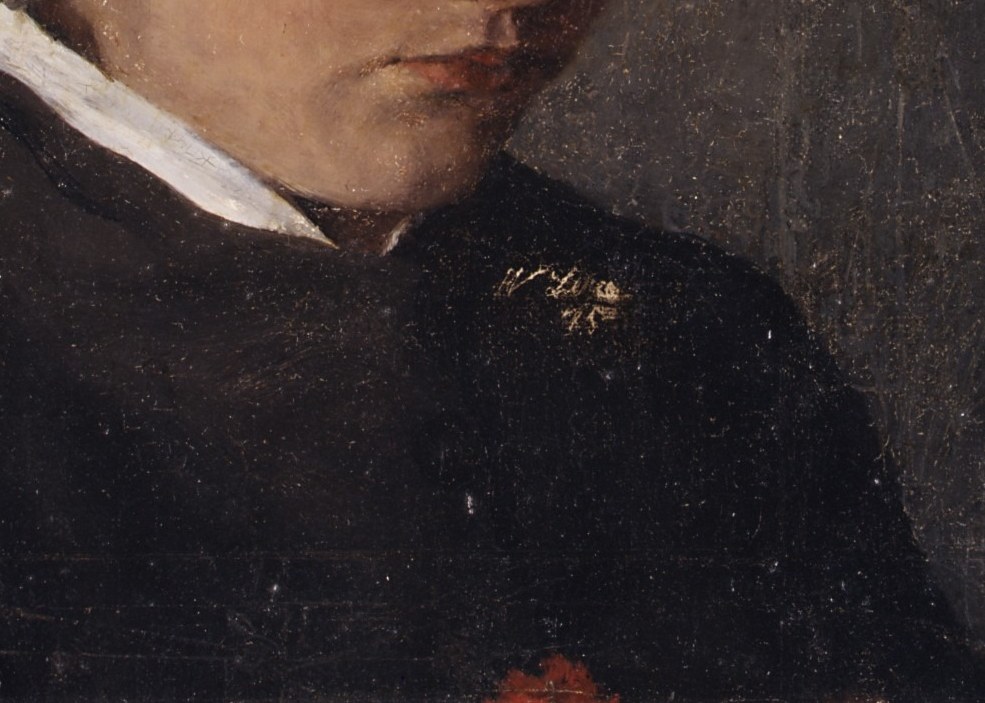
Observe the muted tones and the subject's downward gaze. Leibl’s signature realism is evident in the textured brushstrokes on her dark garment and the crisp folds of her white headcloth.
During the late 20th century, a theft attempt at the museum’s storage vaults put this work, along with others, at risk. It was moved to a secure, undisclosed location until the danger passed.
This quiet dignity, preserved from danger, invites contemplation of the value we place on art.
Details
Transcript
This is not the painting you expect. It's a simple peasant girl. The artist sought unvarnished reality. Look at the stark, textured fabric. This work was hidden for safekeeping. Her gaze is downcast, nearly unseen. Thieves targeted the museum's vault. A tiny glint shows a hidden earring.