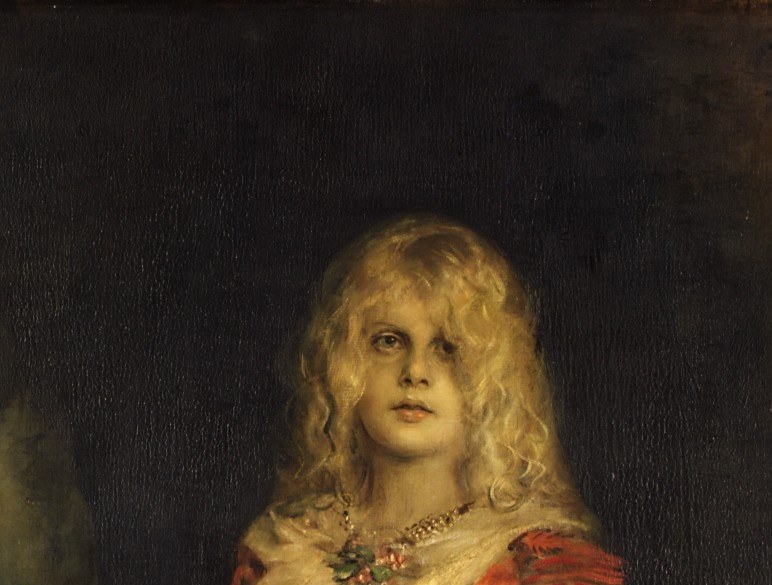
Marion Lenbach (1892–1947), the Artist's Daughter by Franz von Lenbach
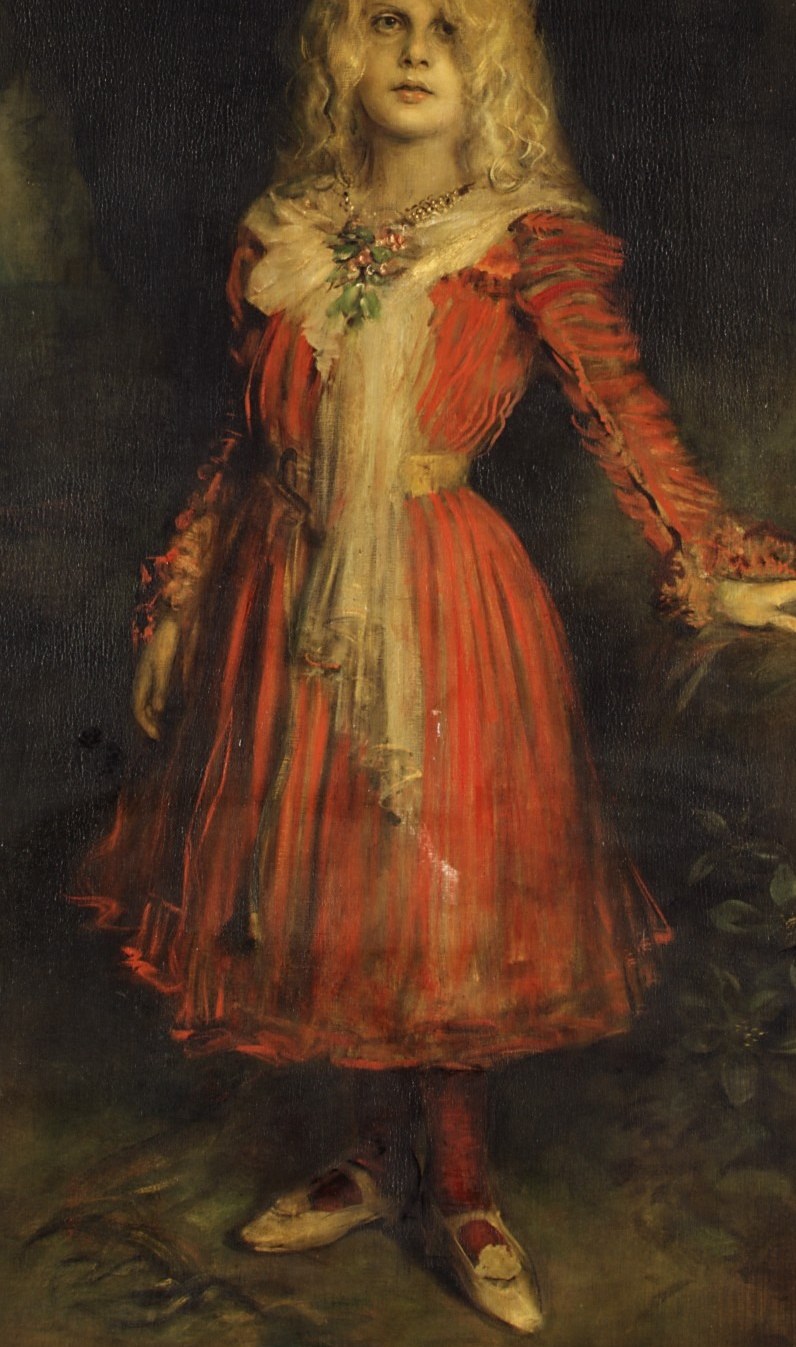
Franz von Lenbach's portrait of his daughter Marion, painted in 1900, hangs in The Metropolitan Museum of Art. Lenbach was the most sought-after portraitist in Wilhelmine Germany, he painted the powerful, the noble, and the famous, and was called the "Painter Prince." This painting is something else entirely.
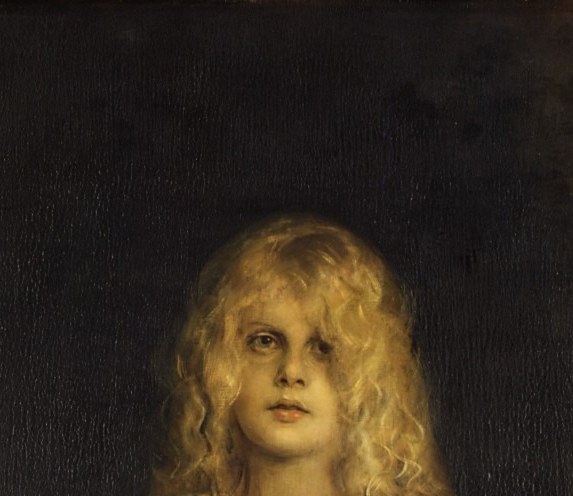
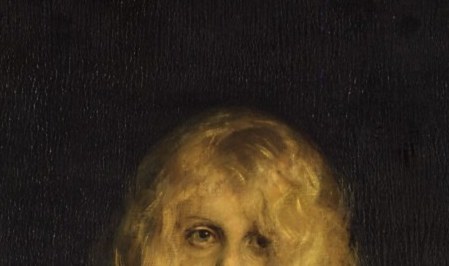
Look at her face. The gravity there is striking for a child of eight. Lenbach built his career on flattering his sitters and capturing their public status. With his own daughter, he went deeper. Her eyes hold a direct yet inward gaze, as if the painter encountered a private self he could not fully enter, but chose to record anyway.
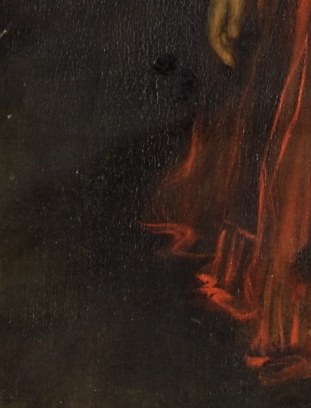
The brushwork tells the same story. Her face is carefully modeled, but her dress, her hair, and especially her hands dissolve into loose, Impressionist strokes the further you look from her eyes. Lenbach created a deliberate hierarchy of finish, the face as anchor, the body as atmosphere. The red dress is not a costume; it is a chromatic field that makes her presence monumental despite her small size.
Marion Löhlein was born in 1892. She was eight when her father painted this, and she would live until 1947, surviving two world wars that reshaped the world her father's portraits celebrated. Lenbach died in 1904, four years after finishing this canvas. This intimate work, so different from his public commissions, remained in the family before entering the Met's collection.
A father who made his name reading the faces of the powerful tried, once, to read the face of his own child. What he found was something quieter, and it is still there in the paint.
Details
Transcript
Franz von Lenbach painted Bismarck, Wagner, the Kaiser. Society paid fortunes for his likenesses. But this painting cost him something else. This is Marion. His daughter. She was eight. He painted her not as a child on display, but as a person who already had an interior life. The loose, dissolving brushwork around her dress and hands makes her face the only fixed point. She would live through two world wars. He died four years after this was finished.