Self-portrait by Bartholomeus van der Helst
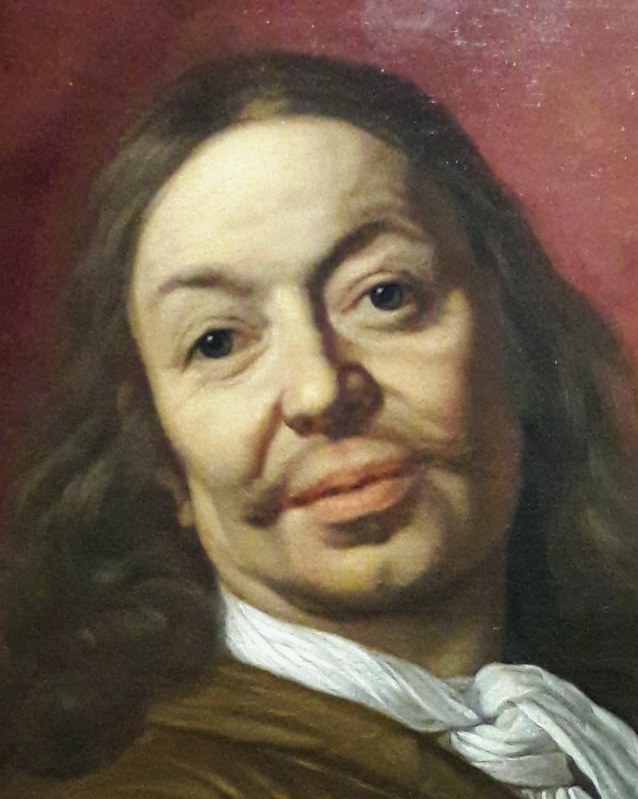
Bartholomeus van der Helst's Self-portrait, painted in 1700 and housed at the State Hermitage Museum, shows the artist not just as a master of his craft, but as a man with personal connections, hinting at a story beyond his public persona. He was a leading portrait painter of the Dutch Golden Age, celebrated for capturing the elite of Amsterdam.
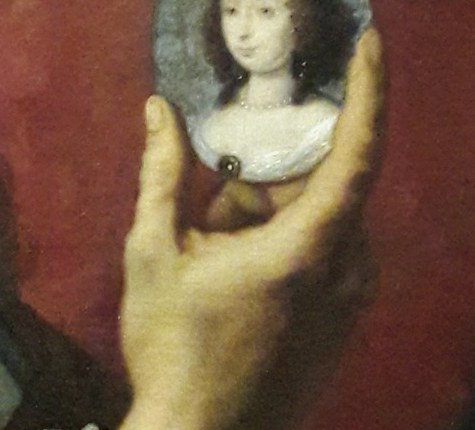
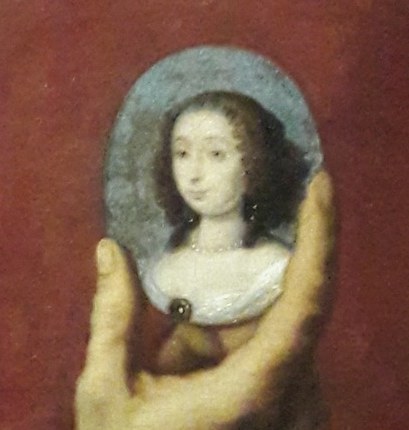
Look closely at his hand, where he holds a miniature portrait. This small, intimate detail is a likeness of Mary Henrietta, Princess Royal. Its inclusion suggests a personal tribute or a significant professional connection to the royal family, adding a layer of intrigue to this formal self-representation.
Van der Helst's skill in rendering textures and light is evident in his crisp white cravat and the subtle folds of his brown coat. This self-portrait serves as both a testament to his artistry and a subtle window into his personal world, anticipating the refined details of the Rococo movement.
What do you think was the story behind this miniature?
Details
Transcript
This painter was famous for capturing Amsterdam's elite. But in this self-portrait, he includes a telling detail. He holds a miniature portrait of a woman. It's Mary Henrietta, the Princess Royal. This personal touch reveals his connections, or his affection. He made this work in 1700, at the height of his career.