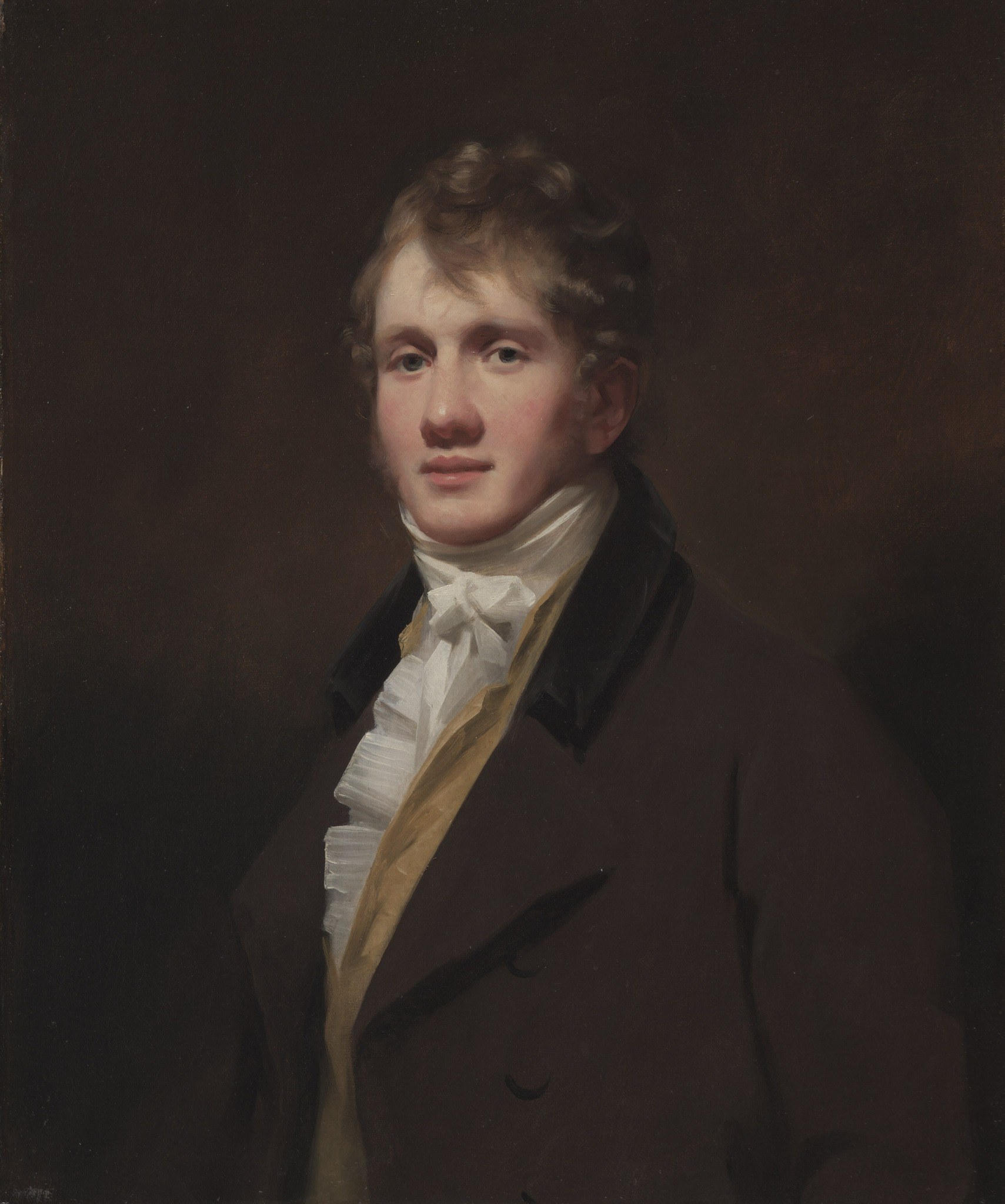
Portrait of Hugh Hope by Henry Raeburn
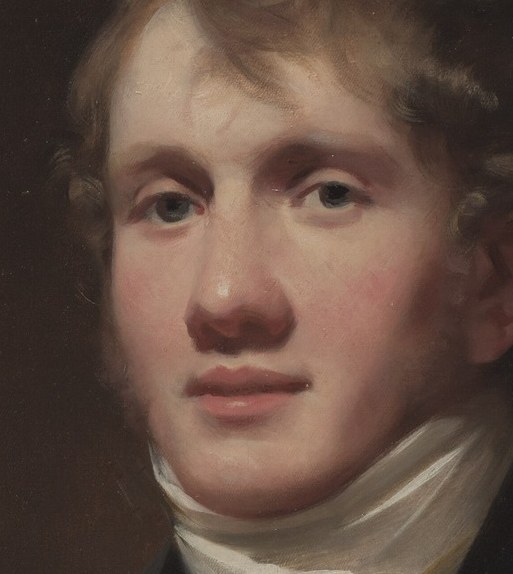
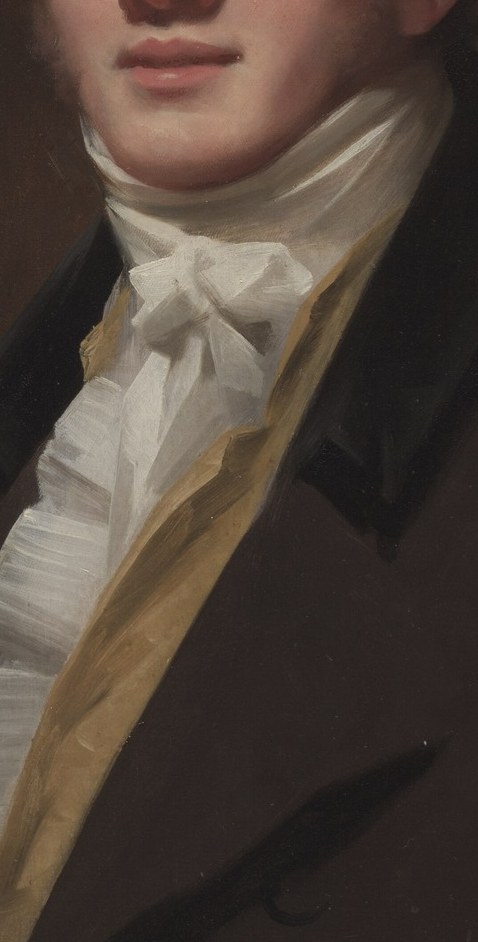
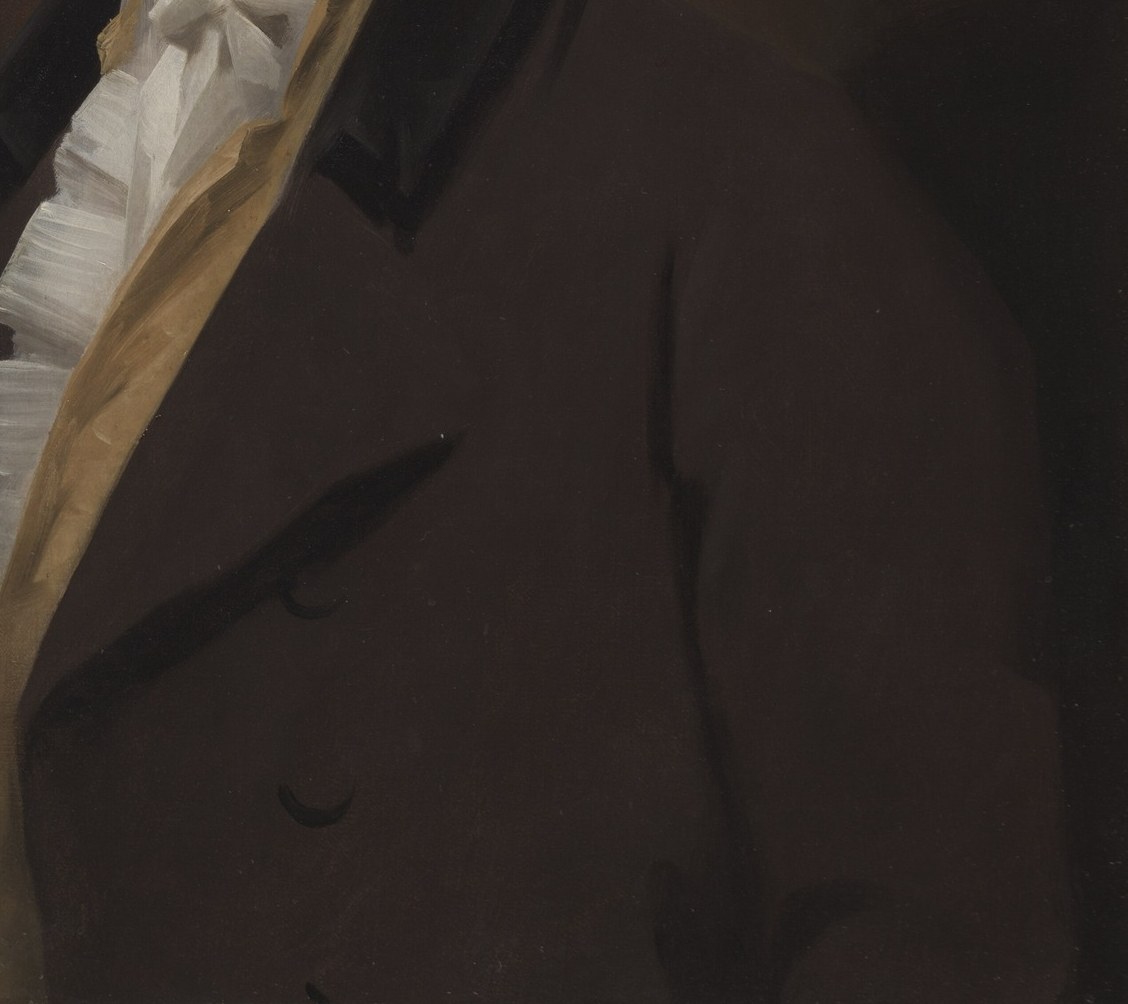
Henry Raeburn's Portrait of Hugh Hope, painted around 1810, is a striking example of British Romantic portraiture, now held at The Cleveland Museum of Art. This painting captures its subject with an almost unnerving directness, hinting at a personality beyond mere formality. It was painted by Henry Raeburn, who was the official Portrait Painter to King George IV in Scotland. Look at Hugh Hope's face, his direct gaze a hallmark of Raeburn's style. Notice the meticulous rendering of his formal attire, particularly the intricate white cravat and the opulent gold sash, which provide a sharp contrast to his somber dark coat. This portrait, created in 1810, is housed in the permanent collection of The Cleveland Museum of Art. Raeburn's ability to convey the sitter's presence is remarkable, making this a captivating study of character. The painting remains a testament to Raeburn's skill in capturing the essence of his subjects.
Details
Transcript
This is Hugh Hope. He looks right at you. His cravat is a quiet rebellion. Raeburn painted him in 1810. Hope wears a dark coat and gold sash. His steady gaze is famously direct. Raeburn was King George IV's painter.