Portrait of a Man by Thomas Forster
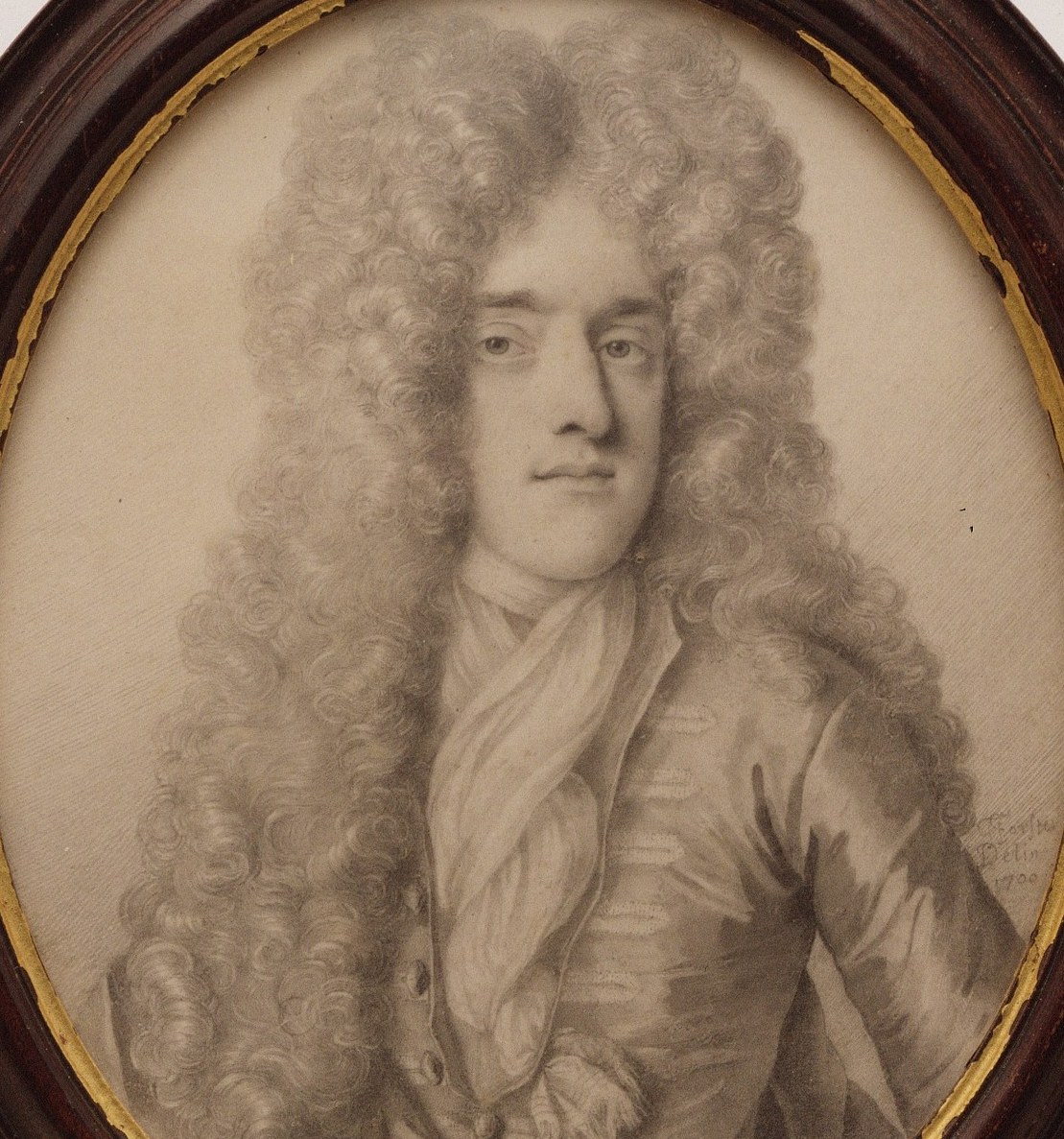
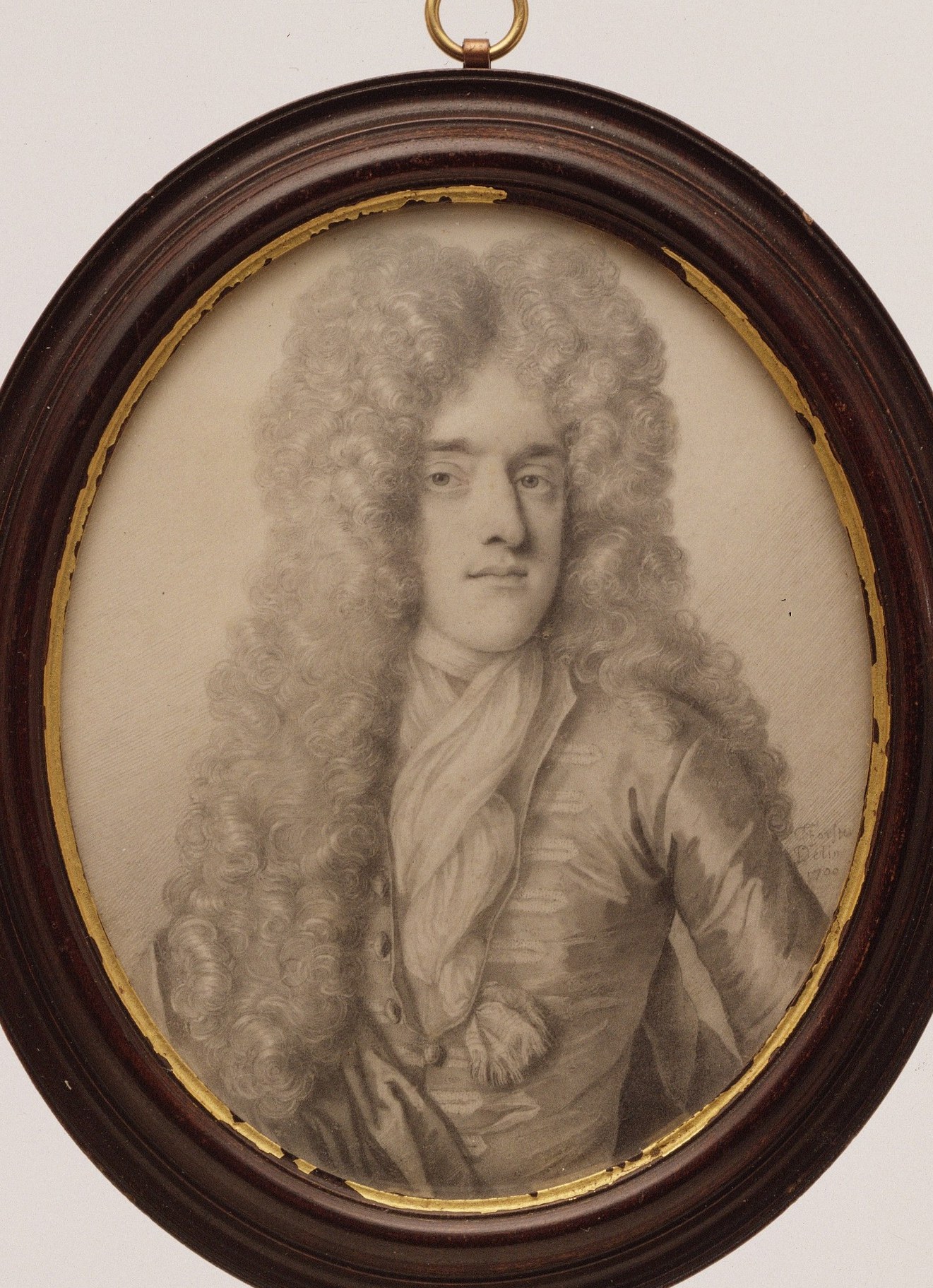
Thomas Forster's "Portrait of a Man," painted in 1700, captures a man of status from early 18th-century England. This isn't just any portrait; it's a window into the life of a figure embroiled in a significant historical rebellion.
Notice the elaborate wig, the luxurious lace necktie, and the fluffy cuffs on his coat. These details perfectly reflect the sartorial trends of the period and clearly indicate the sitter's wealth and importance. The artist focused solely on the man, using a plain background to draw all attention to his features and attire.
The artist, also named Thomas Forster, was not merely a painter but also an English landowner, a Tory politician, and a general. He led the Jacobite army in the failed 1715 Uprising, a bid to restore the Stuart monarchy. Following the defeat, Forster was forced to flee to France.
This painting, now held at The Metropolitan Museum of Art, offers a fascinating glimpse into a turbulent time in British history and the life of a man who played a key role in it. What do you think this man was thinking, knowing his future was so uncertain?
Details
Transcript
This portrait dates to 1700, the height of English fashion. The sitter's voluminous wig and lace necktie show his high status. The painter was Thomas Forster, an English politician and general. Forster led a Jacobite army in a 1715 uprising against the King. After the rebellion failed, Forster fled to France.