Portrait of a Gentleman by Knapton, George
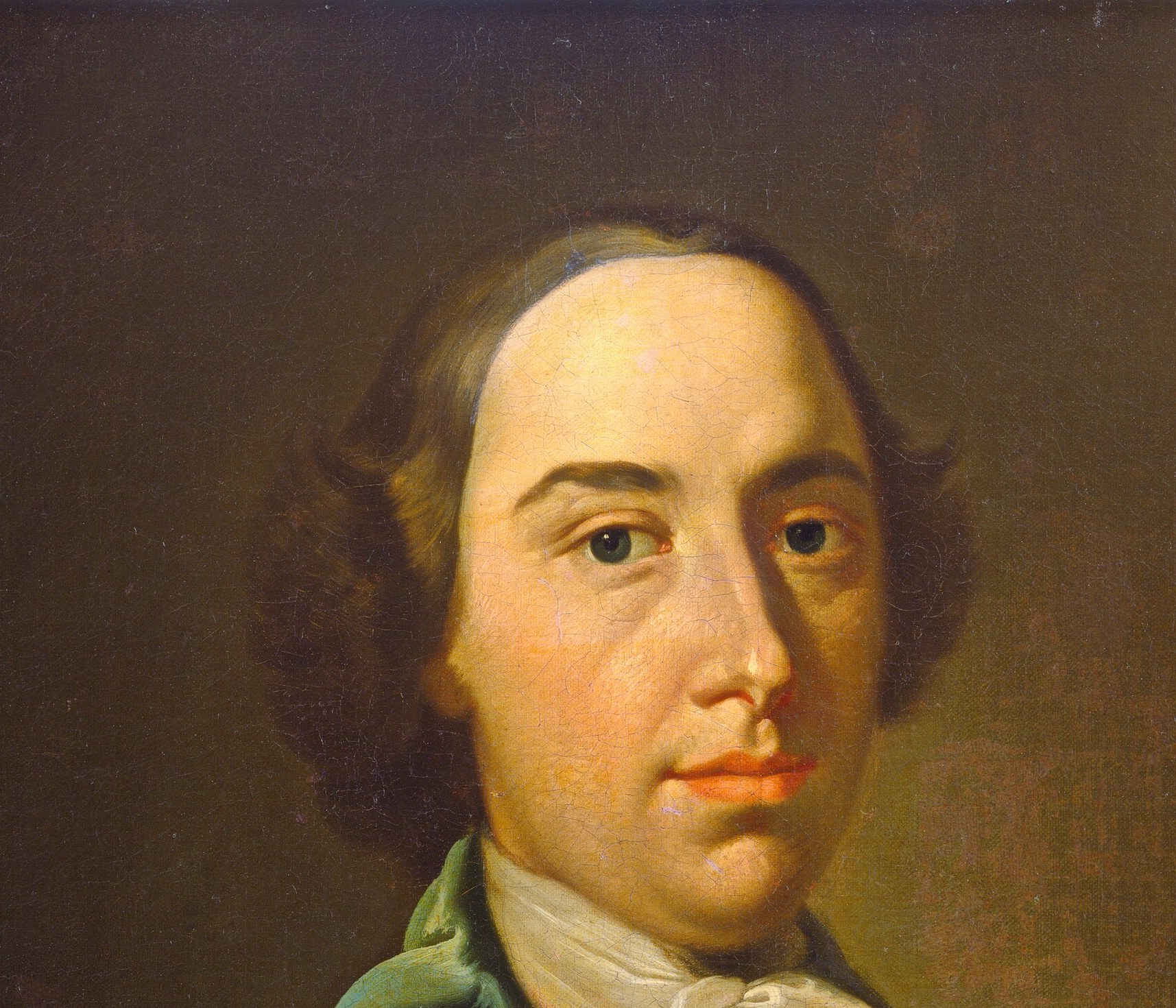
George Knapton's Portrait of a Gentleman, painted around 1752, is a fascinating example of Rococo portraiture now held in a private collection. While the subject's identity remains unknown, his attire and demeanor speak volumes about mid-18th century English society.
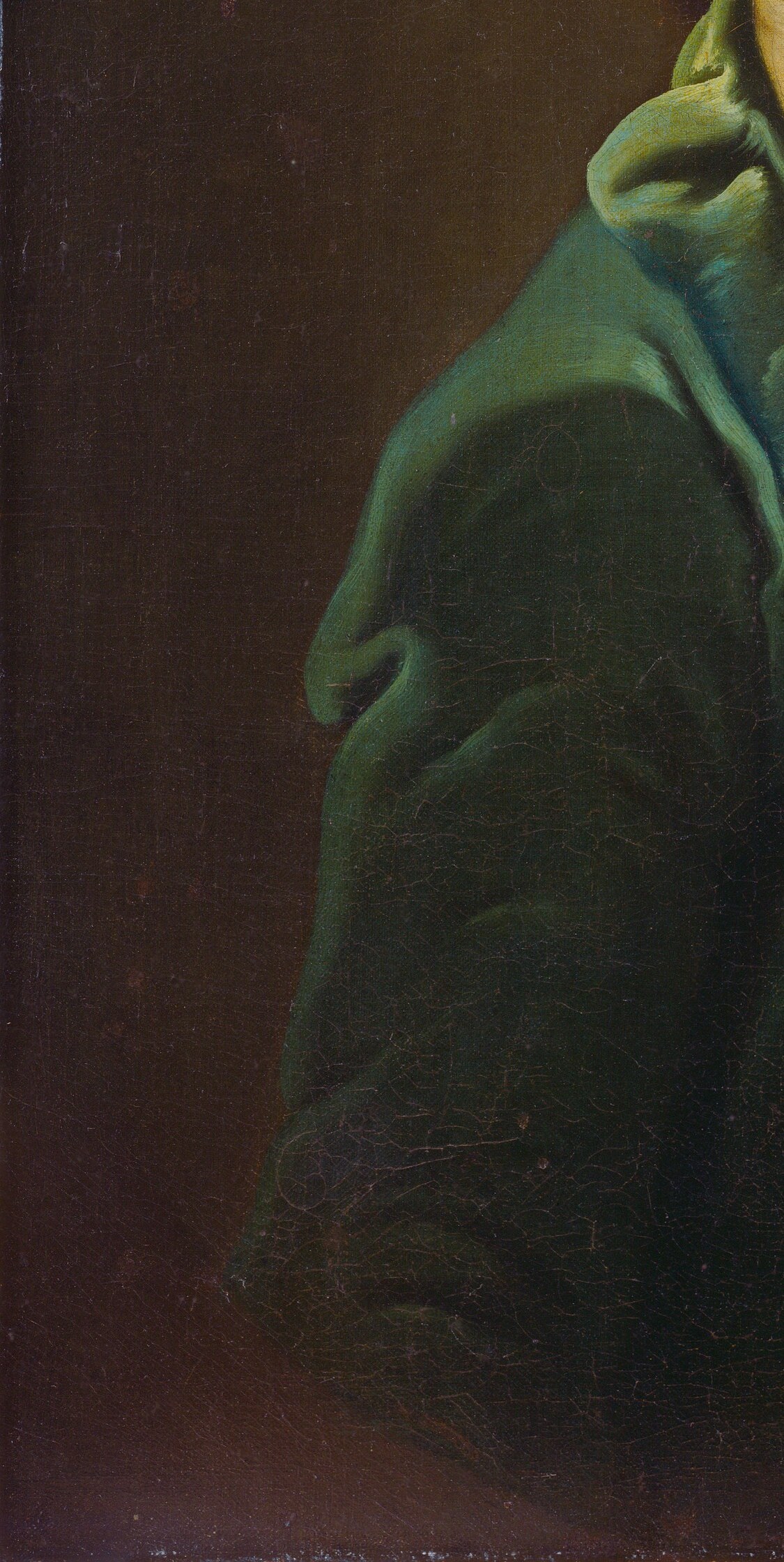
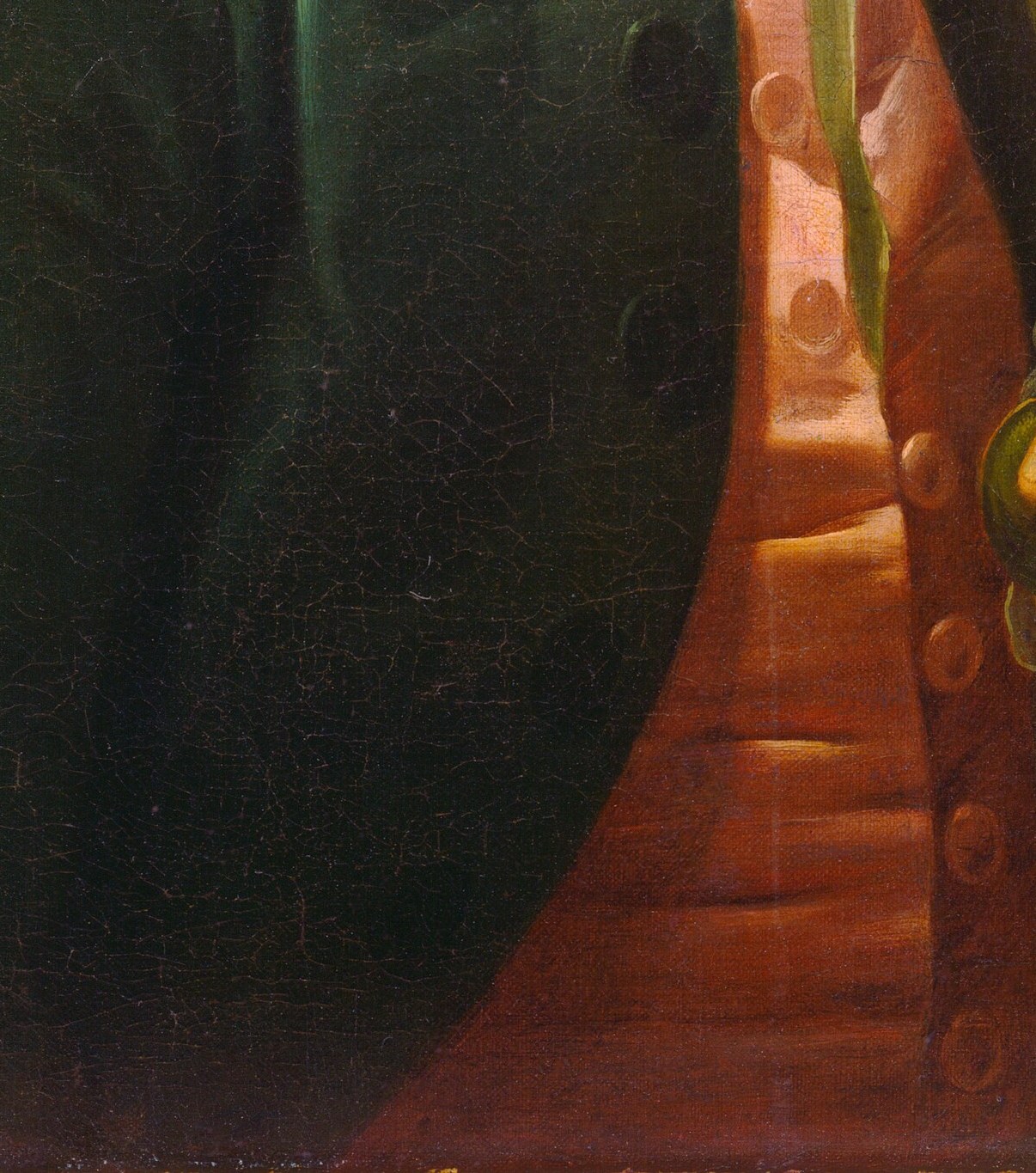
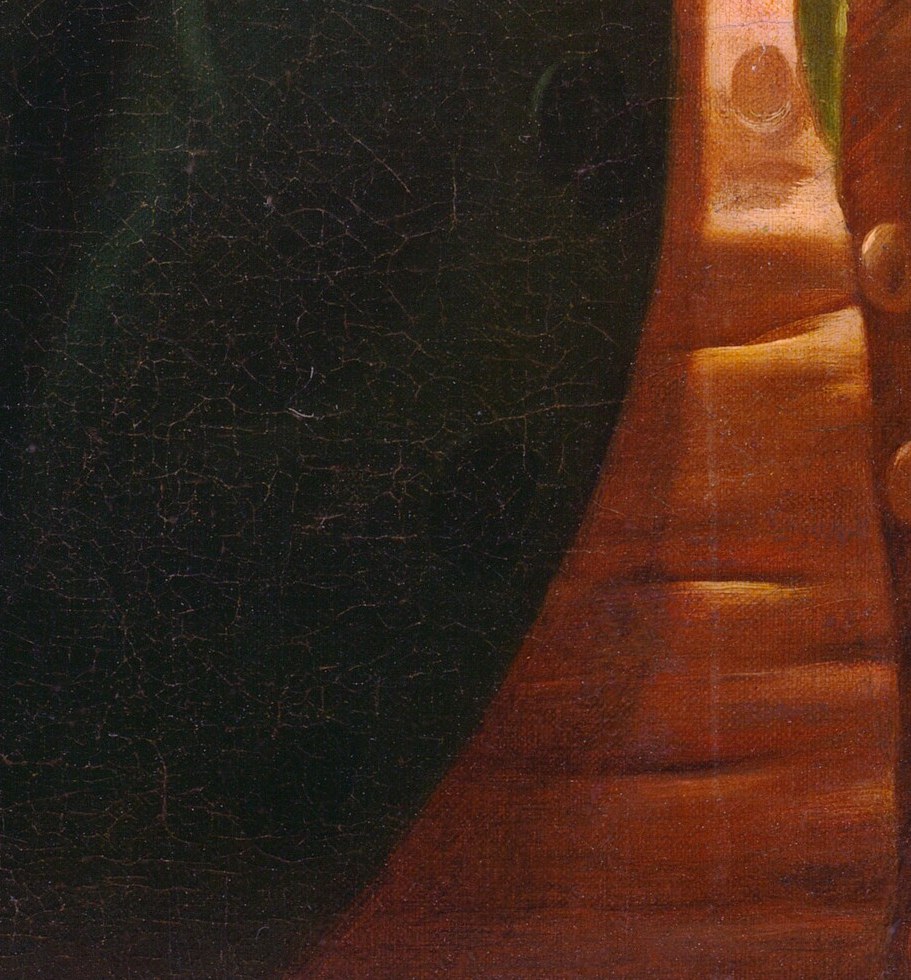
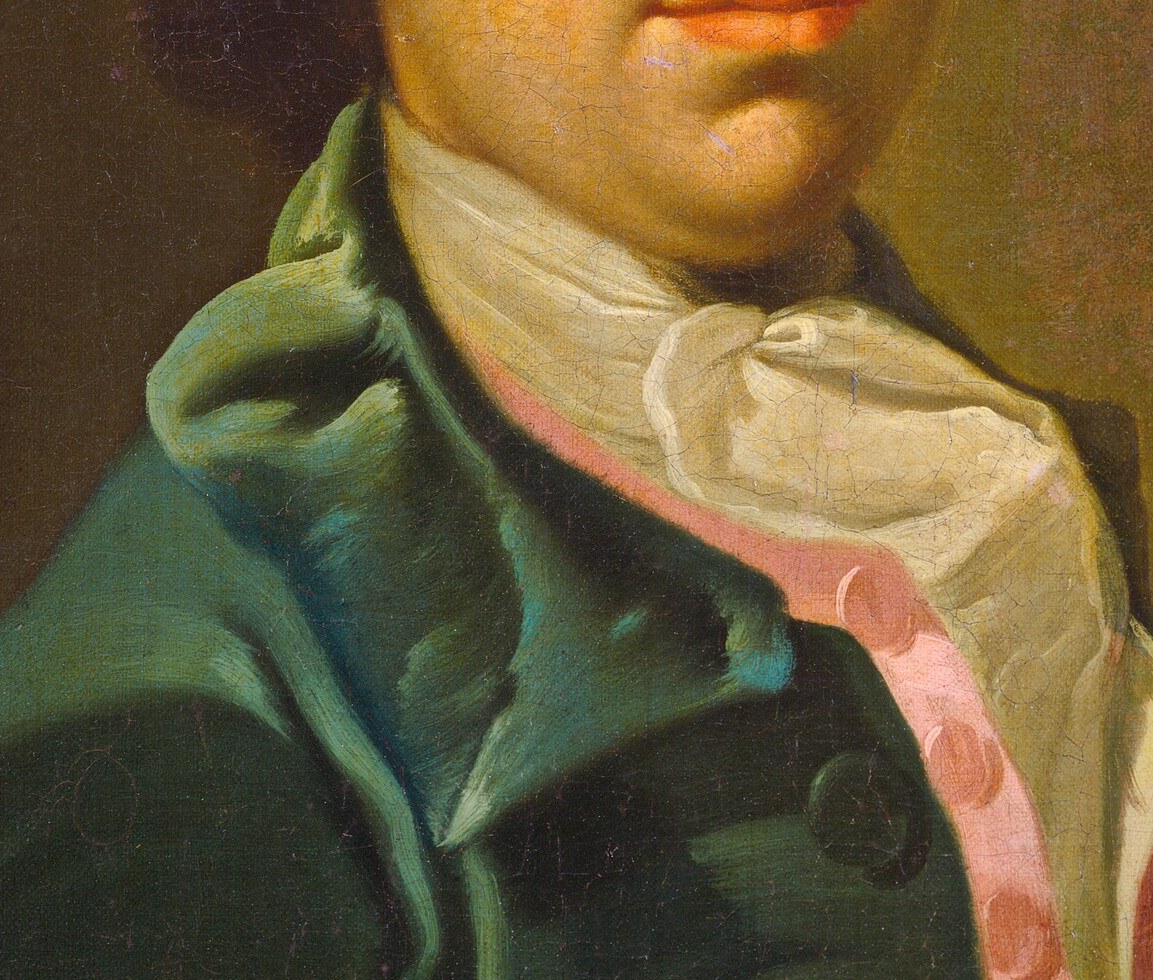
Notice the luxurious teal satin coat and the delicate lace cravat, hallmarks of wealth and fashion. The most intriguing detail, however, is the cream-colored rose he holds. This choice was unusual for a male portrait of the period, hinting at a more intimate narrative than simple status.
Knapton, known as the first portraitist for the Society of Dilettanti, masterfully captures both the formality of the era and a subtle suggestion of personal sentiment. The rose could symbolize anything from a specific courtship to a broader appreciation for beauty and art.
What do you think the rose represents?
Details
Transcript
Meet a mid-18th century gentleman, posed just so. His teal satin coat and lace cravat signal serious wealth. But look at what he holds in his hand. A single, creamy rose was not typical for a male portrait. This flower could signify courtship, or a refined aesthetic. It hints at a more personal story than a formal pose.