George Washington by Stuart, Gilbert
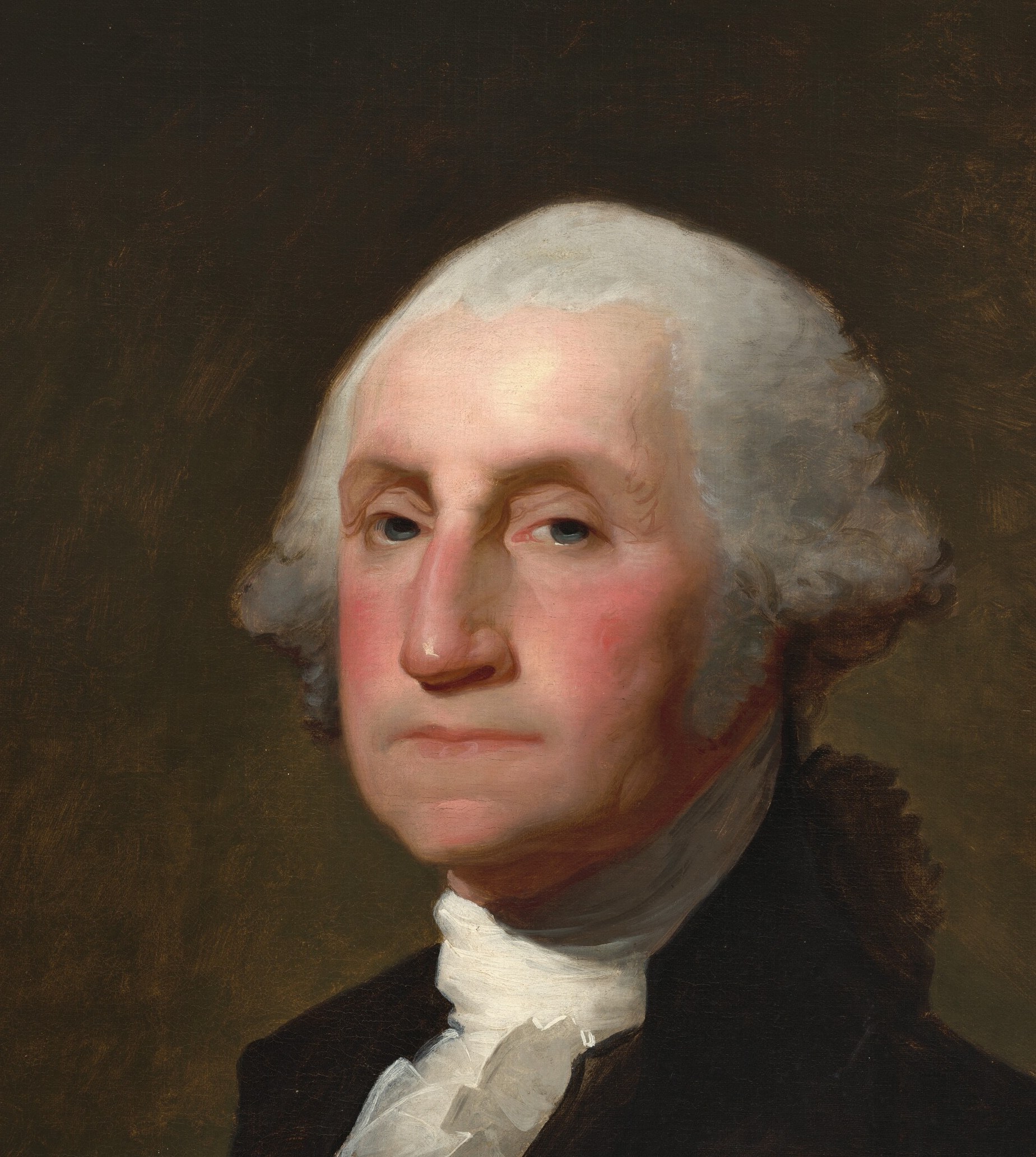
Gilbert Stuart's "George Washington," painted around 1803 and now in a private collection, showcases his celebrated technique for rendering lifelike skin.
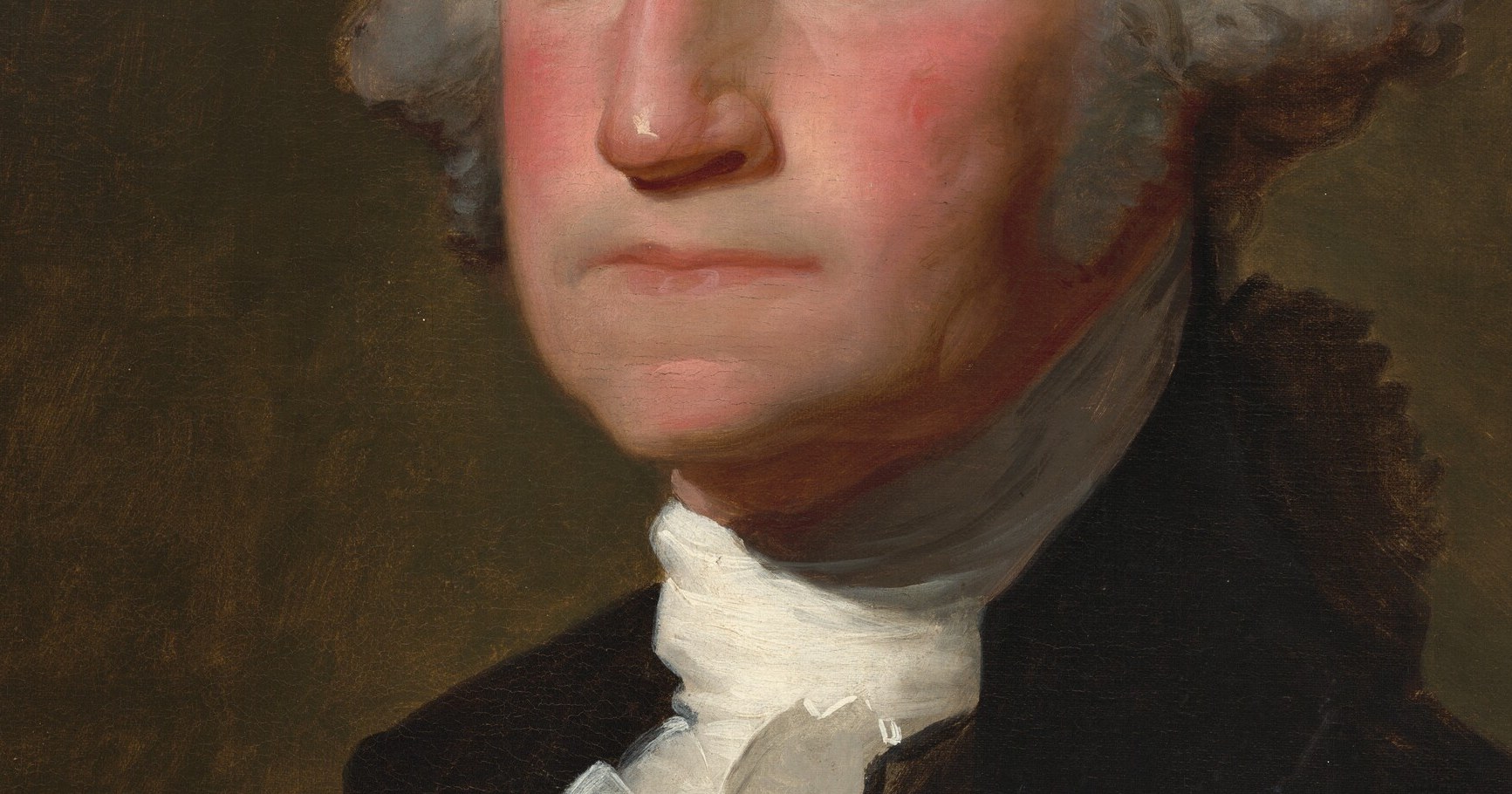
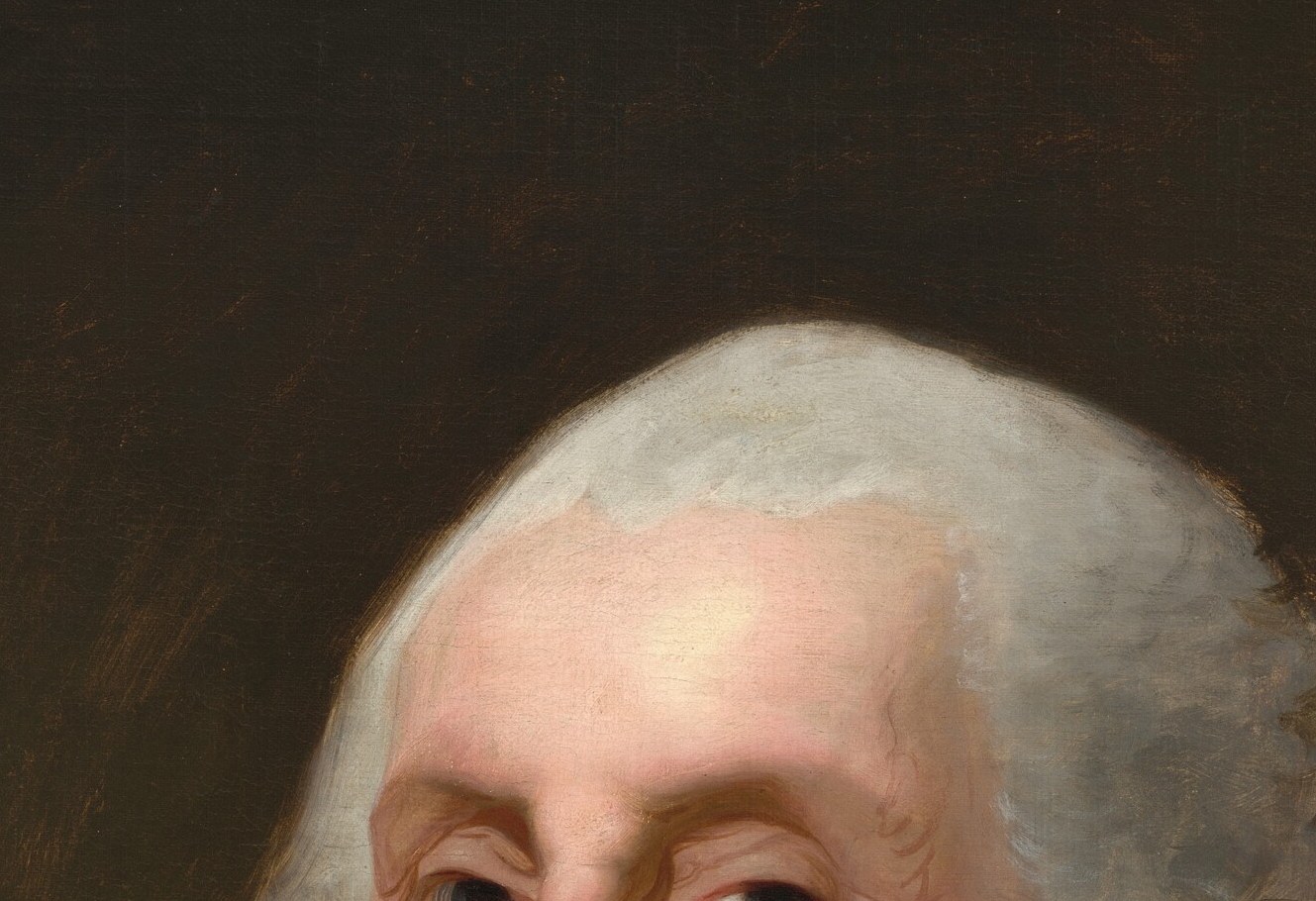
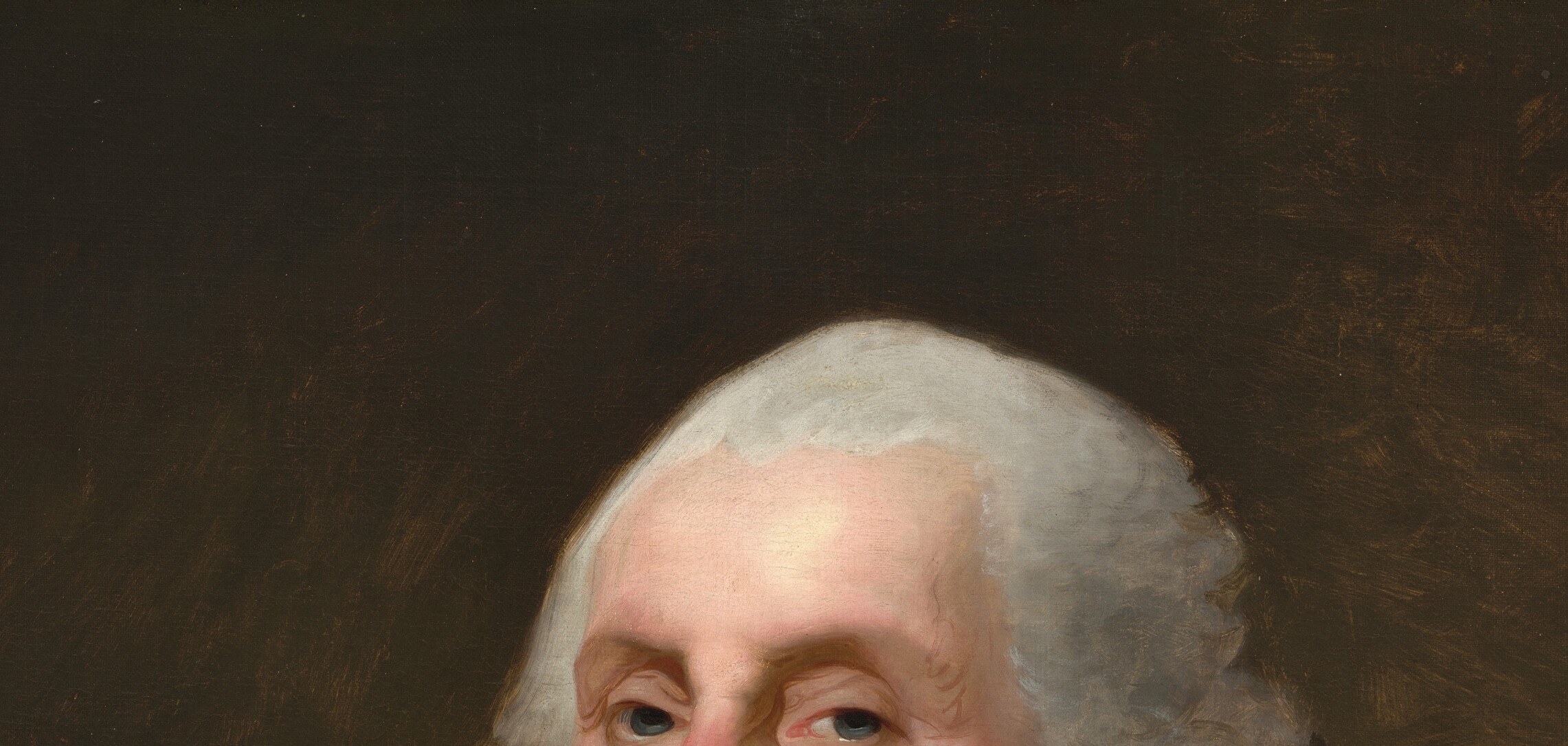
Stuart was renowned for working alla prima, painting wet-into-wet to build his portraits quickly. This method allowed him to create a unique luminous quality in his sitters' skin tones, a hallmark of his style. Observe the subtle interplay of warm undertones and cool glazes on Washington's forehead and cheeks; this isn't about precise detail, but about the masterful application of light and shadow through layered brushwork.
This painting is one of many replicas Stuart made of his iconic Athenaeum portrait, further solidifying Washington's visual legacy. Stuart's approach elevated portraiture beyond mere likeness, capturing the essence and gravitas of his subjects with remarkable speed and skill.
How do you think this technique helped define the image of America's first president?
Details
Transcript
This painter was famous for how alive his portraits felt. He worked fast, painting wet-into-wet, alla prima. His skin tones were built from warm underlayers, then cool glazes. This gave his faces a luminous, lifelike glow. Look closely at the forehead: see the brushwork that makes light catch? It's a subtle trick: not details, but layers of light.