Egyptian Revival Triptych by http://www.wikidata.org/.well-known/genid/372dd1ae03dded6f8aae54196eba6dba
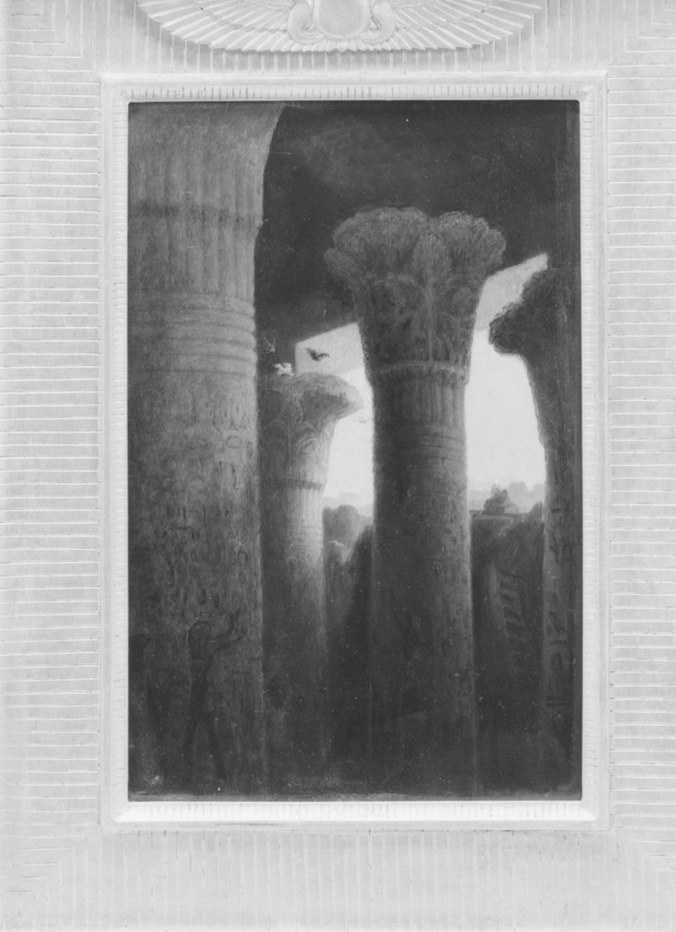
Elihu Vedder's "Egyptian Revival Triptych," painted in 1885, captures a fascinating moment in art history, blending ancient themes with a modern sensibility. This oil-on-canvas work, held in a private collection, showcases the 19th-century fascination with antiquity.
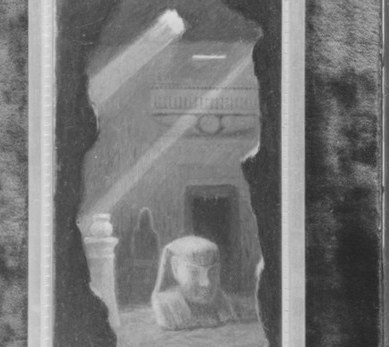
Observe the stark contrast between the panels: a central, elongated figure evokes deep stillness and ceremonial presence, framed by stylized columns and a sun-like disc. On either side, smaller panels present human figures in everyday contemplation and purposeful movement, inviting viewers to ponder the interplay between the sacred and the mundane.
Vedder's use of the triptych format, traditionally reserved for religious subjects, is repurposed here to explore secular or mythic narratives through the lens of historicist aesthetics. His masterful use of chiaroscuro emphasizes form and creates dramatic tension, aligning with the broader European interest in ancient Egypt sparked by archaeological discoveries of the era.
What do these contrasting scenes suggest to you about life's varied moments?
Details
Transcript
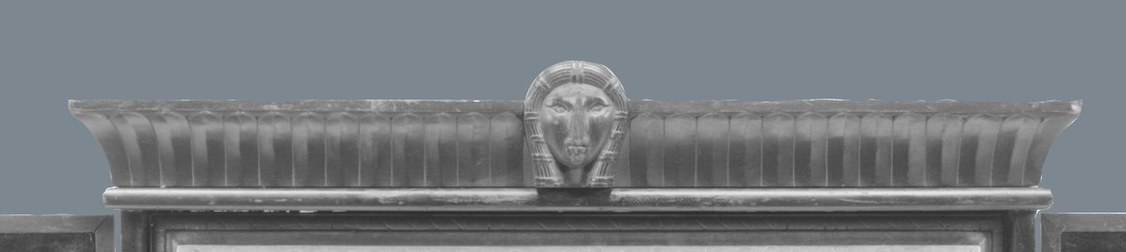
This triptych frames a moment of deep stillness. The central figure stands in a ceremonial presence. Notice the detailed, Egyptian-inspired frame motifs. This work was painted during the Egyptian Revival period in 1885. On the left, a figure sits in quiet contemplation. On the right, another figure moves, perhaps toward a new journey. The triptych format, usually for religious art, holds secular themes here. It shows us the power of stillness and action, side-by-side.