Study for Eagle Head, Manchester, Massachusetts by Winslow Homer (American, 1836–1910)
Winslow Homer's 'Study for Eagle Head, Manchester, Massachusetts' (1869), an oil on wood panel at the Brooklyn Museum, is more than just a tranquil seascape. This early work by Homer, known for his marine subjects, reveals his practice of painting directly from nature.
At first glance, it's a scene of a woman contemplating the ocean. However, if you look closely at the rocky outcrop in the foreground, you'll discover a subtle detail: a formation that gives the painting its curious title.
Created as Homer transitioned from commercial illustration to oil painting, this study showcases his developing technique and interest in capturing the raw beauty of the American coast. It's a testament to his keen observation and the understated power he brought to his art.
Did you spot the eagle head before it was pointed out? It's easy to miss!
Details


Transcript
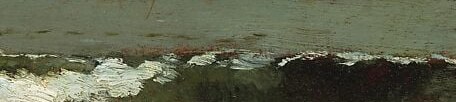
Winslow Homer painted directly from nature. This oil study captures a rugged coastline in Massachusetts. A solitary figure stands, observing the vast ocean. Notice the thick paint, especially in the crashing waves. But look closer at the sand. What do you see? The subtle brown shape is an eagle head.