Waterfall with Log Cabins by Everdingen, Allart van
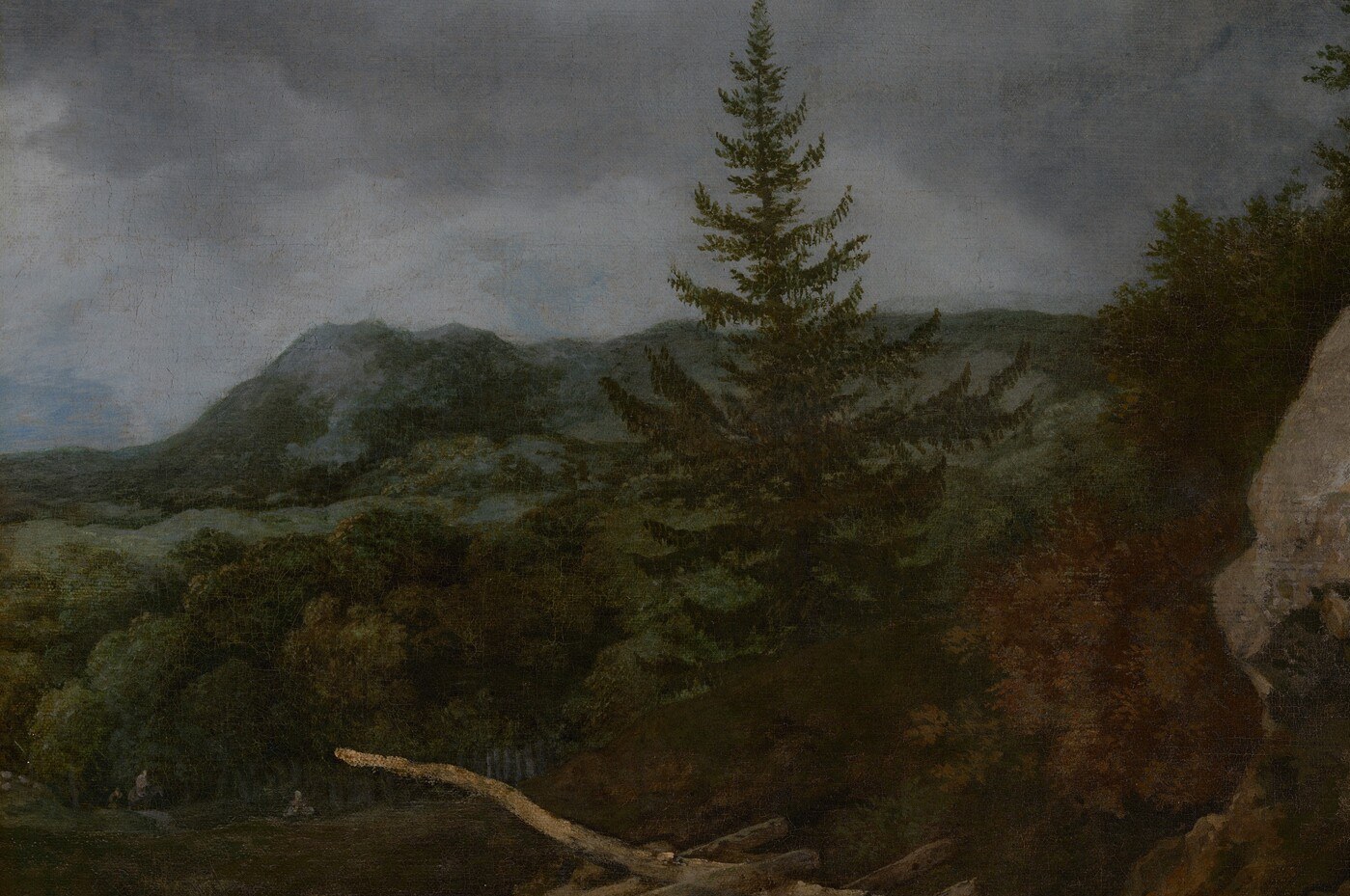
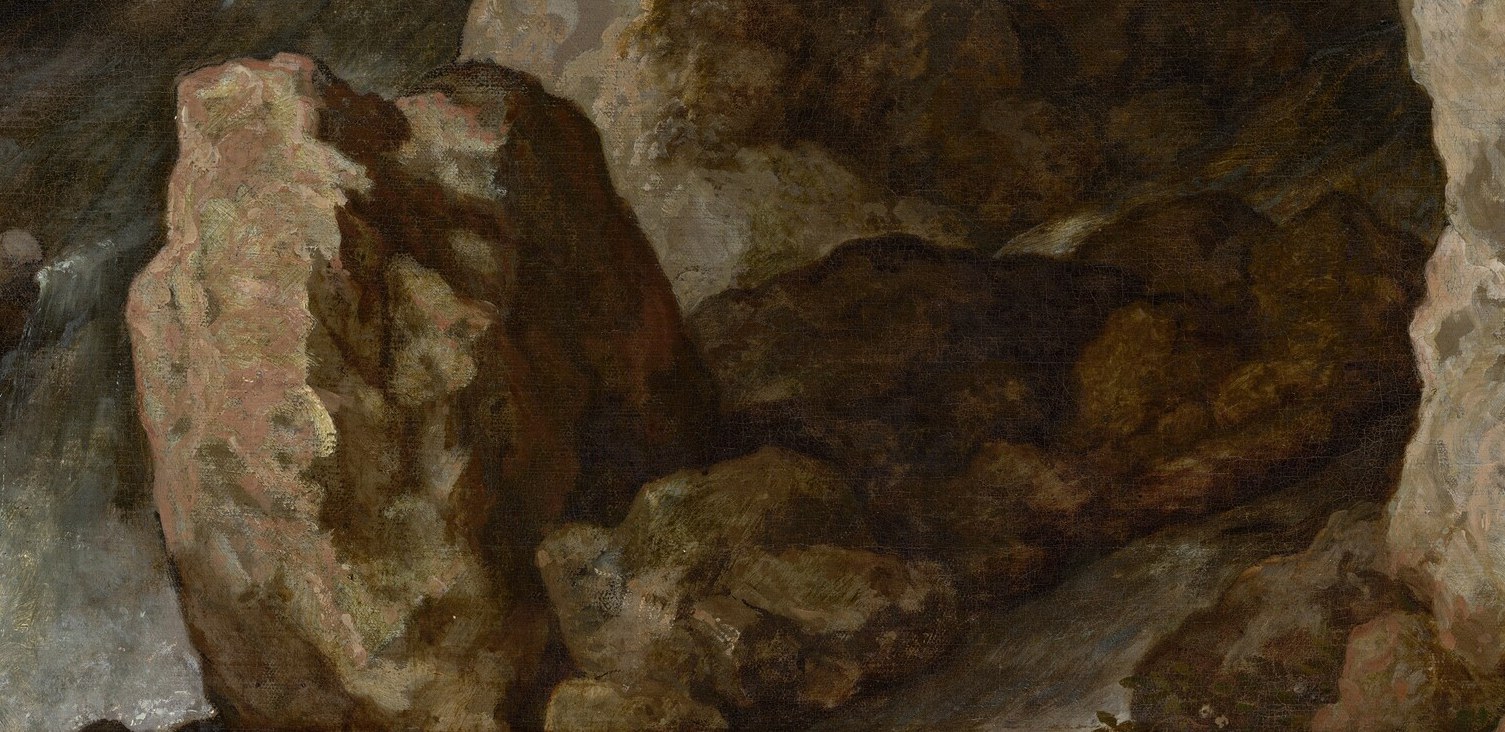
Allart van Everdingen’s “Waterfall with Log Cabins,” painted around 1665-1670, offers a rare glimpse into the remote settlements of northern Europe from the mid-17th century. Now housed in a public museum, this oil on canvas captures a landscape shaped by both raw nature and human presence.
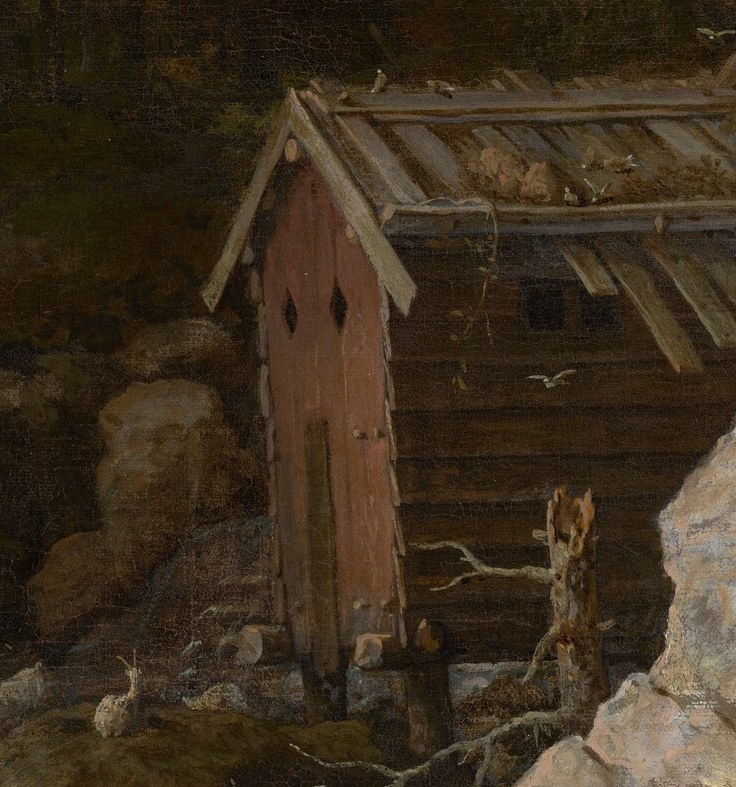
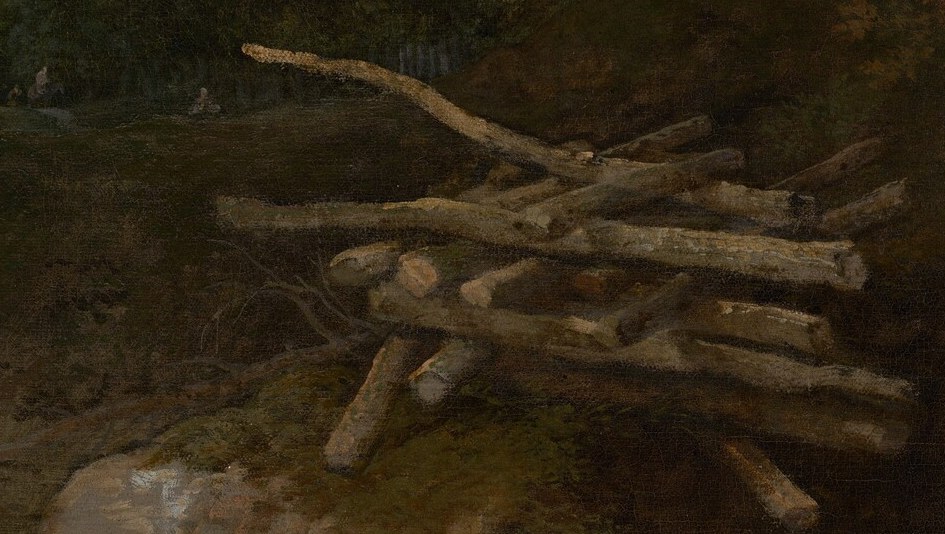
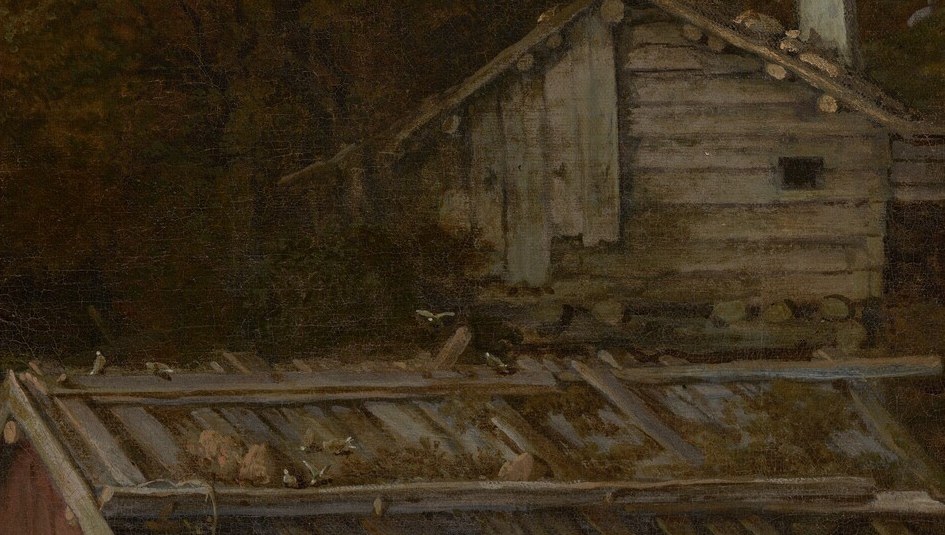
Look closely at the log cabins and the pile of cut logs in the foreground; these subtle details speak volumes about the lives led here. The presence of small white goats adds a pastoral touch, hinting at the self-sufficiency and close relationship with nature that defined these isolated communities.
Everdingen, a Dutch Golden Age painter, was instrumental in popularizing Scandinavian scenery after his travels in Norway. He brought back these wild, untamed landscapes, providing a window for his contemporaries into a world far removed from the more cultivated Dutch countryside. His meticulous brushwork and muted palette create an atmospheric depth, making the scene feel both serene and imposing.
The painting's focus on human interaction with a formidable natural environment invites reflection on how communities adapt and thrive in challenging conditions. What do you imagine daily life was like in such a place?
Details
Transcript
In the 1660s, this is how remote settlements looked in northern Europe. The painter was Dutch, but traveled widely in Norway. He became known for bringing these wild, northern landscapes back home. Life in these log cabins would have been challenging. A pile of freshly cut logs tells us people lived and worked here. These small details reveal a harsh but self-sufficient existence.