The adoration of the magi by Bartholomeus Breenbergh
Bartholomeus Breenbergh's "The Adoration of the Magi," painted around 1650, is a fascinating example of a Dutch artist bringing Italian influences back home. This exquisite work, housed in the Rijksmuseum, was created on copper, a medium known for its ability to hold fine detail and produce luminous colors.
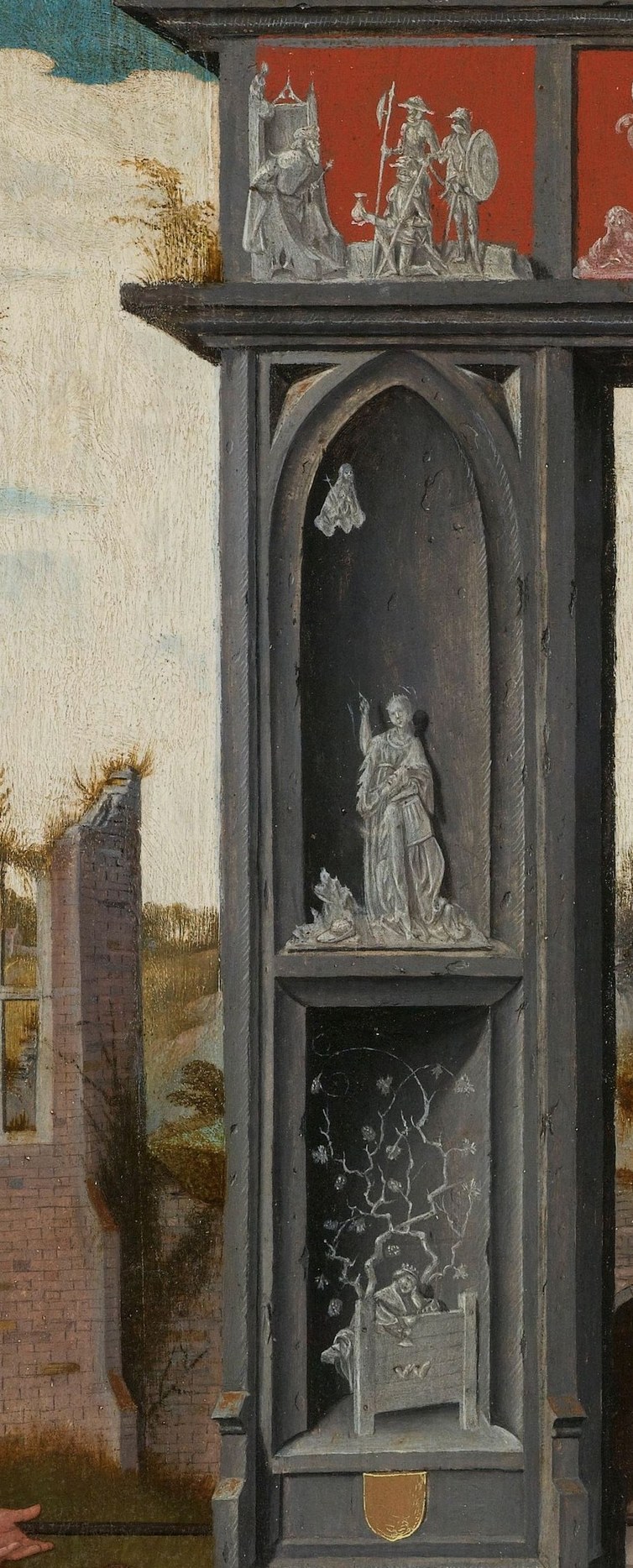
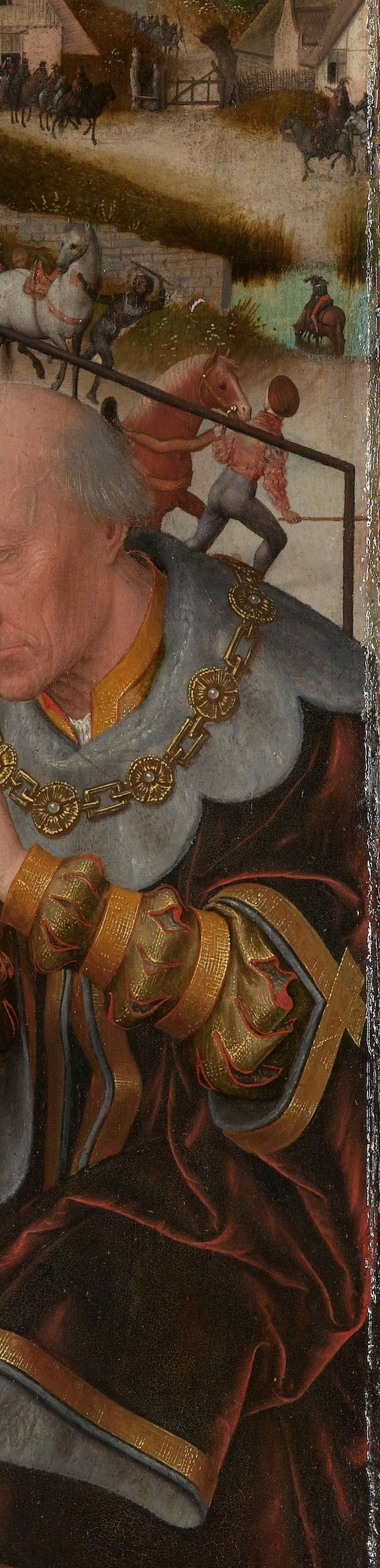
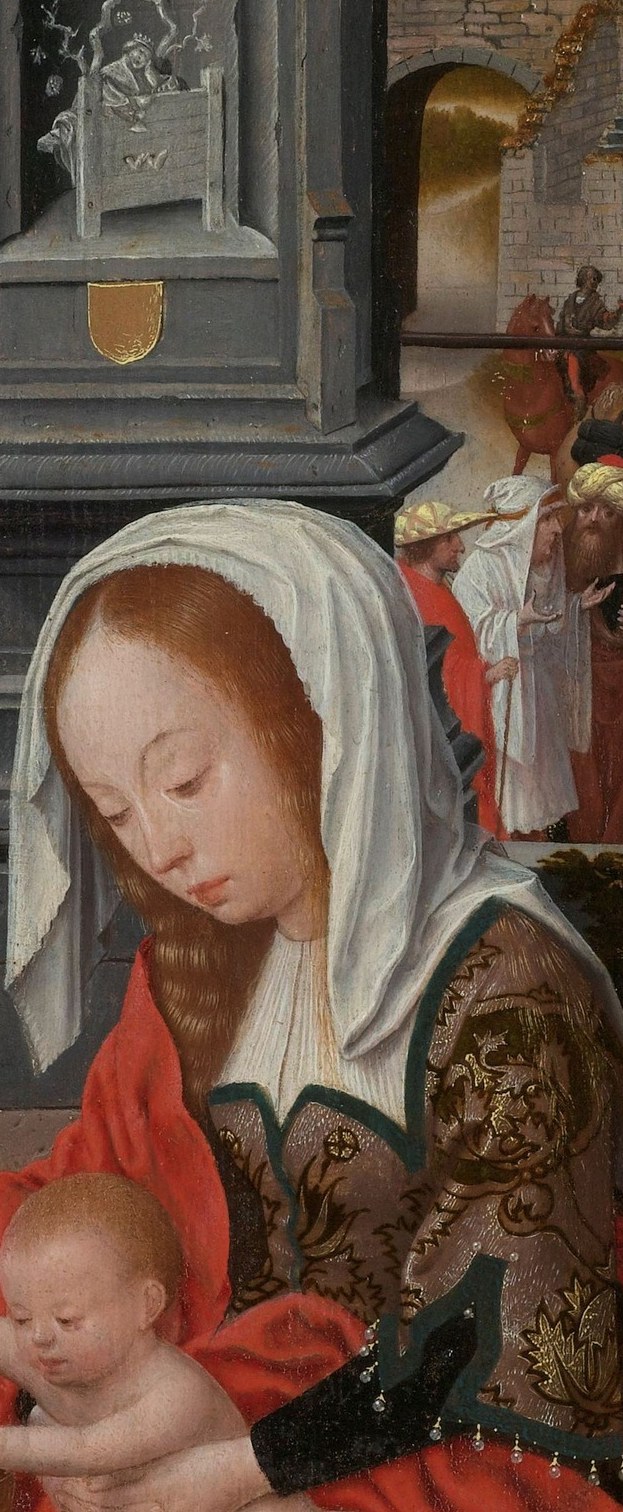
Look closely at the scene, which despite being painted in Amsterdam, features architectural elements like the ancient ruins and an Italianate landscape, reflecting Breenbergh's decade spent in Rome. The painting depicts the biblical Magi presenting gifts to the infant Jesus, held by Mary.
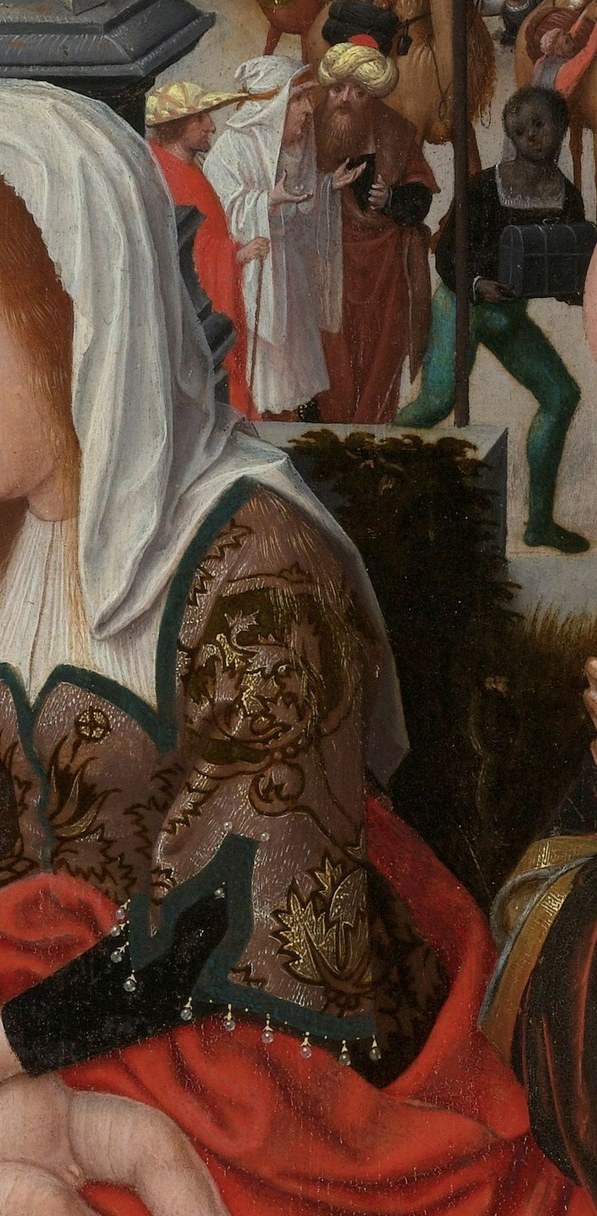
Breenbergh made a less common artistic choice for his time by including a range of skin tones among the figures, emphasizing the universal appeal and spiritual significance of the adoration. His technique, combining Dutch precision with southern European grandeur, makes this a standout piece of the Dutch Golden Age.
What details do you notice first in this blend of cultures and styles?
Details
Transcript
This Dutch painter spent a decade working in Rome. He painted this scene of the Magi in Amsterdam, around 1650. Notice the crumbling ancient ruins, a common Roman motif. The smooth copper surface allowed for luminous color and fine detail. The artist used a range of skin tones, unusual for the era. It emphasized the universal nature of this adoration scene.