The Virgin of the Star by Alonso Cano
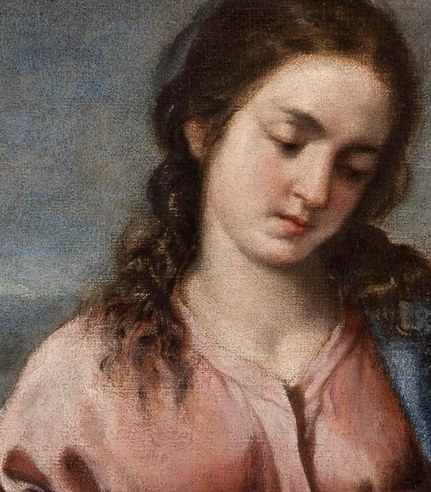
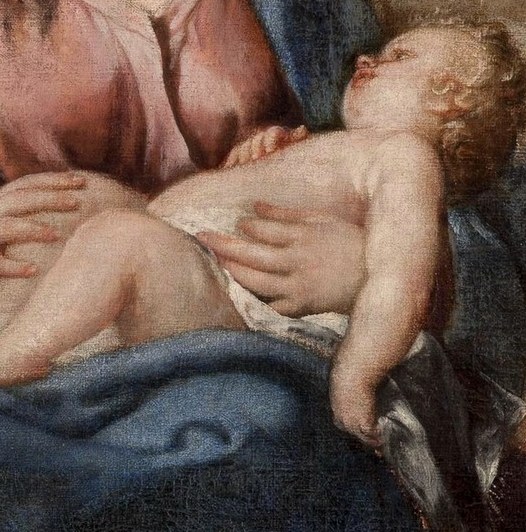
Alonso Cano's "The Virgin of the Star," painted in 1645, is more than a tender depiction of mother and child; it's a painting rich with hidden meaning. Housed at the Museo del Prado, this oil on canvas invites contemplation of its symbolic elements.
Look closely at the star-like halo above the Virgin's head. This luminous detail not only gives the painting its name but also symbolizes Mary as the 'Star of the Sea,' a traditional guide and protector in Catholic iconography. The rocky outcrop beneath her, seemingly a simple setting, represents the steadfastness of the Church, built on firm foundations.
Cano, a master of the Spanish Baroque, used these elements to convey themes of divine love, protection, and the enduring strength of faith during the Counter-Reformation. His work blended Italian chiaroscuro with local devotional traditions to create emotionally resonant religious imagery.
What other hidden meanings might be found in devotional art?
Details

Transcript
This isn't just a Madonna and Child. It's a painting about the future. The star-like halo is a clue, giving the painting its name. It symbolizes Mary as the 'Star of the Sea,' a guide. Beneath her, the rocky outcrop is also symbolic. It represents the Church, built on solid ground. Together, they point to divine protection and guidance.