Presentation of Christ in the Temple by Fra Bartolomeo
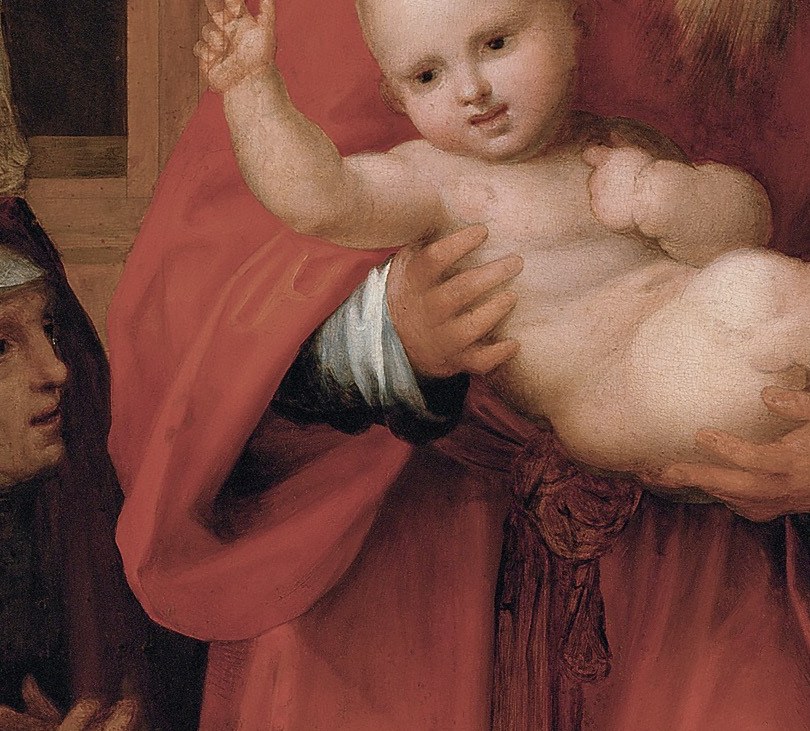
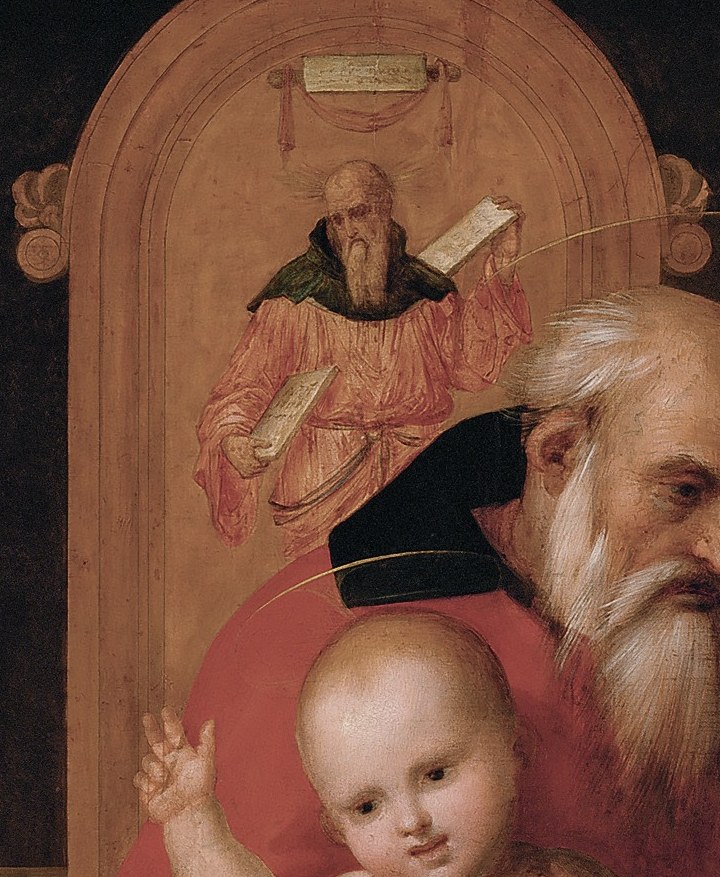
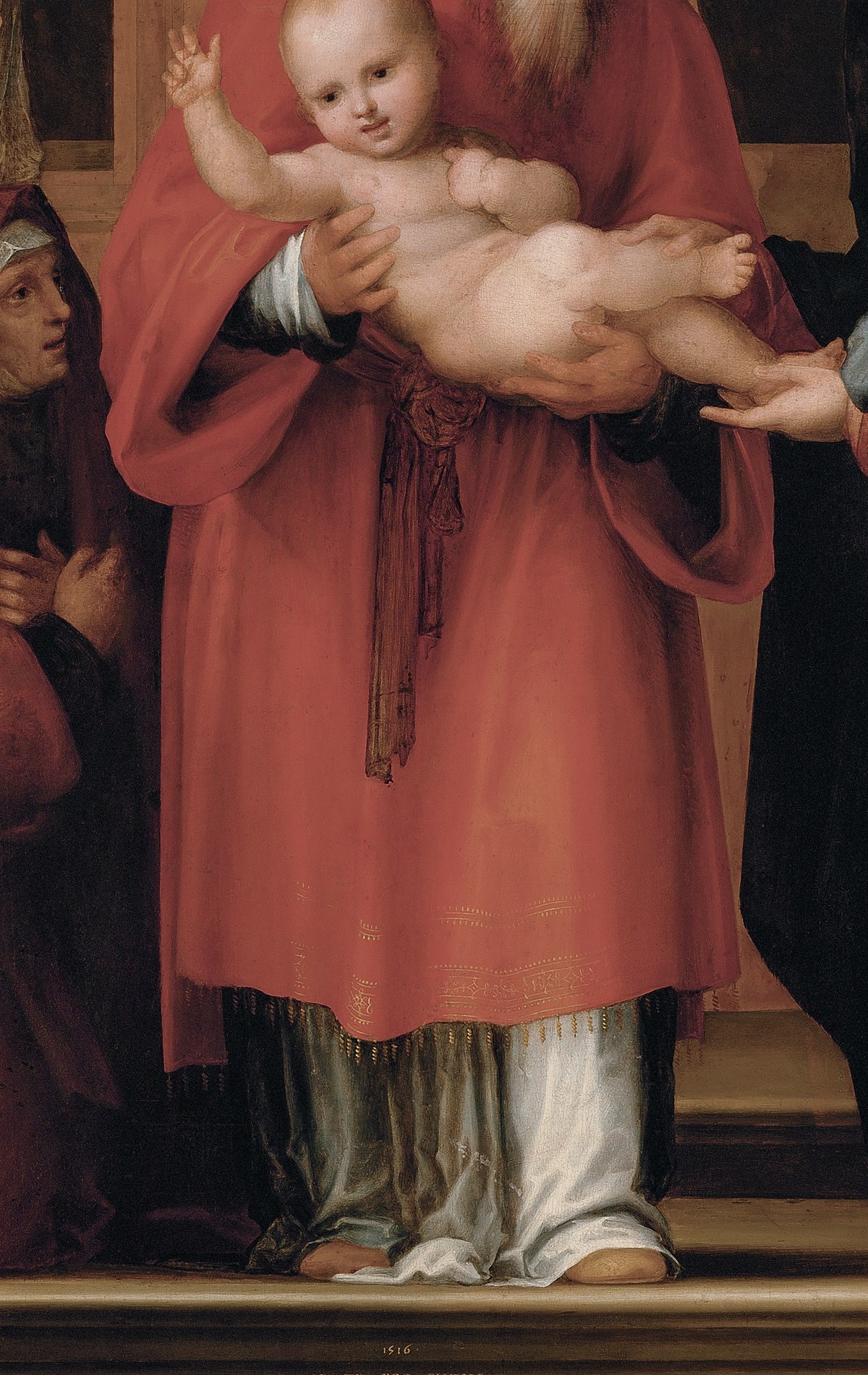
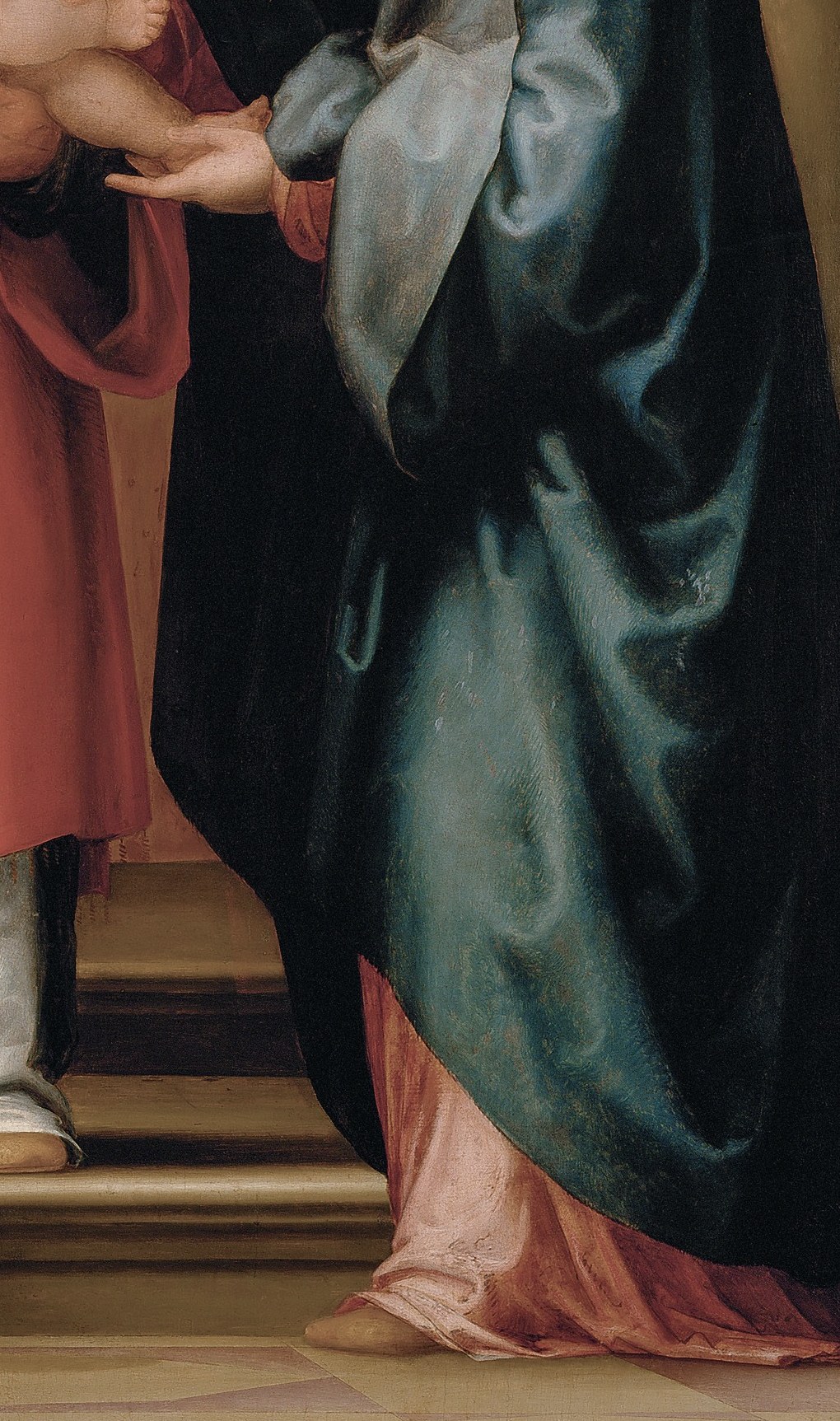
Fra Bartolomeo's "Presentation of Christ in the Temple" (1516) at the Kunsthistorisches Museum in Vienna, holds a fascinating detail that reveals its original purpose. While the main scene depicts the infant Jesus being presented at the Temple, look closely at the small altarpiece depicted behind the central figures.
This altarpiece within the painting illustrates the Adoration of the Magi, an event celebrated during Epiphany. This isn't just a decorative detail; it's a key to understanding the painting's commission.
Commissioned by Pope Leo X, this work was most likely created for the Epiphany celebrations of 1516. The inscription on the painting confirms its date, rooting it firmly in this historical context. It originally hung in the novices' chapel in San Marco, Florence, serving a specific liturgical role during its time.
It's a subtle yet powerful way the artist integrated layers of meaning, connecting the painting's subject to the very season it was intended to be viewed.
Details
Transcript
This painting was commissioned by Pope Leo X in 1516. It shows the infant Jesus being presented at the Temple. Look closely at the altarpiece behind the figures. It depicts the Adoration of the Magi, celebrating Epiphany. This painting itself was likely for the Epiphany celebrations of 1516. It was originally for a chapel in Florence.