Charles Carnan Ridgely by Sully, Thomas
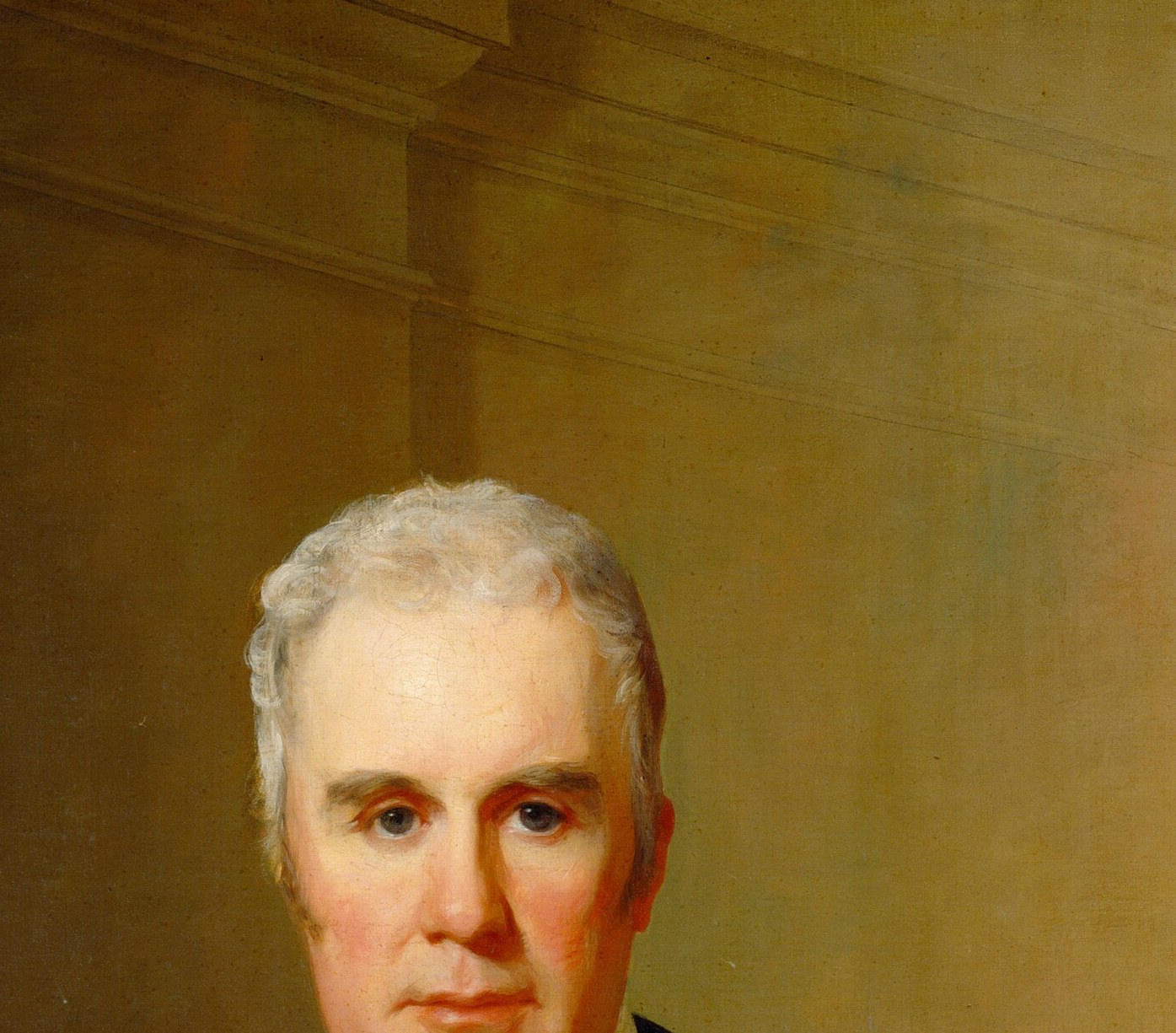
This is Charles Carnan Ridgely by Thomas Sully, painted in 1820. For decades, it hung in the Ridgely family home, Hampton Mansion in Maryland, before it was lost to history. It sat in a basement for nearly a century, forgotten, until workers rediscovered it in 1961.
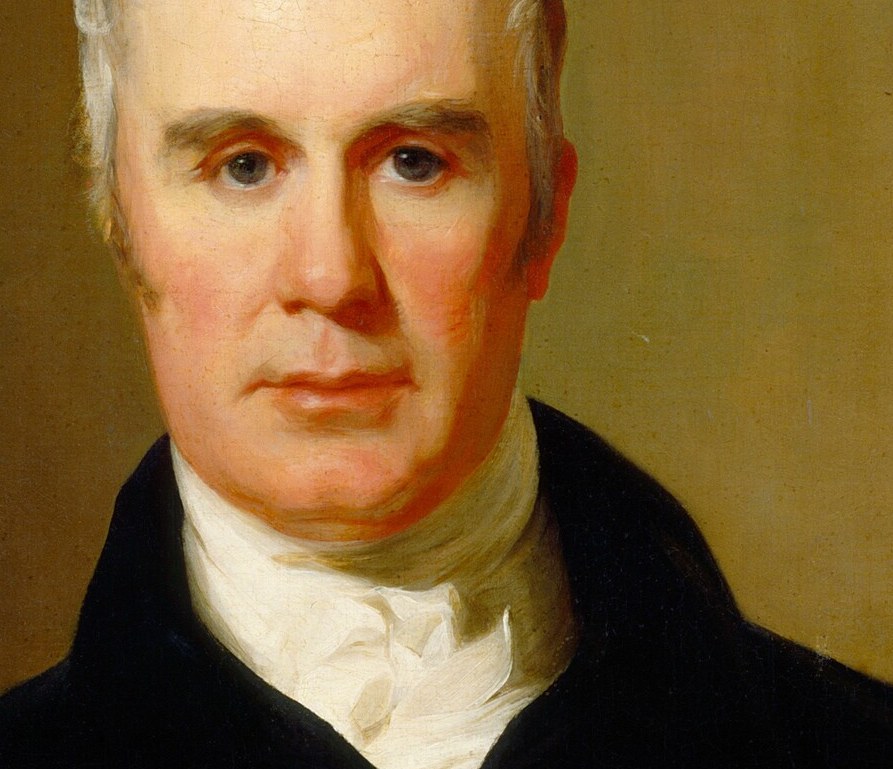
Look at how Sully painted Ridgely's face. The highlight on the left cheekbone is warm and almost tender, a signature Sully technique that gives roundness to an otherwise stern, formal pose. The eyes are the real center: watchful, direct, and impossible to read. Sully leaves the dark background almost empty so nothing competes with that gaze.
Charles Carnan Ridgely was the 15th Governor of Maryland. He was a prominent figure in the early republic, but his wealth and status were built on the labor of hundreds of enslaved people at Hampton, one of the largest plantations in the state. The papers visible beneath his hand in the painting are likely a ledger, the administrative tool of a plantation owner.
The painting now belongs to the public, held by a Maryland museum. We can look at it and see a man of his time, preserved in oil and light. What do you see when you meet his eyes?
Details


Transcript
For over a hundred years, this man was missing. His portrait hung in a Maryland mansion. Then it vanished. Charles Carnan Ridgely governed Maryland in 1816. He was one of the largest slaveholders in the state. The papers under his hand may be the ledger of a plantation. Sully gave him an unusually direct, unguarded gaze. The painting was rediscovered in a Maryland basement in 1961. Now it hangs in a public museum. And Ridgely looks back at us, silent.