Child Asleep (The Rosebud) by Thomas Sully
Thomas Sully’s “Child Asleep (The Rosebud)” (1841) hangs in the American Wing of the Metropolitan Museum of Art. It looks at first like a sentimental Victorian portrait of a sleeping child. But the sleeper is Sully’s own daughter, Rosalie, and she was twenty-three years old when he painted her this way.
The painting centers on her unguarded face and the single pink rosebud lying open on the bed beside her. Her hand rests near it casually, the way a child’s would. The rose is hardly bloomed, a symbol for a life Suspended in a fragile, early state.
Sully was among the most sought-after portraitists in America. He painted presidents, visiting royalty, and the social elite. At home, he and his wife lost child after child. Of their nine, only Rosalie and one other survived to adulthood. Rosalie herself suffered from chronic illness. Sully would sit with her while she slept through fevers, and this painting grows directly from those vigils, a father’s record of breath and stillness, placed carefully into oil.
He gave her the body of a little girl, as if painting could hold her safe in the moment before so much was lost. What do you see in the way her hand falls near the rose?
Details
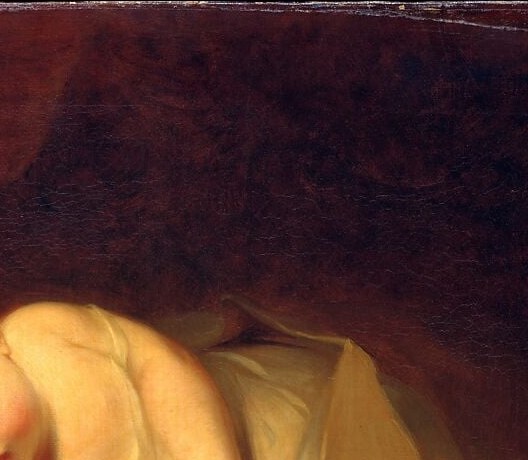

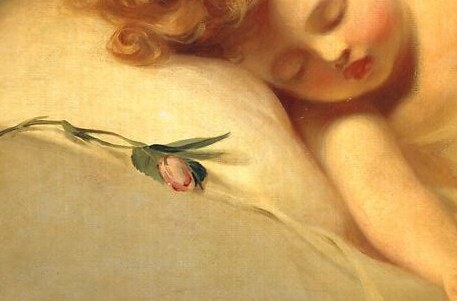
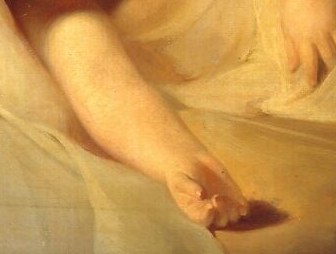
Transcript
Thomas Sully painted the powerful: presidents, war heroes, royalty. But in 1841, he turned to a quieter subject. The girl is his daughter, Rosalie. She was twenty-three. He painted her as if she were still small. Rosalie's health was fragile. Sully watched her sleep when she was ill. A pink rosebud rests beside her, barely opened. Their seven other children had all died by 1844.