Jo, the beautiful Irish Girl by Gustave Courbet
Gustave Courbet's 'Jo, the Beautiful Irish Girl' (1865) is a portrait that operates like a quiet code. Painted around 1865 and now held at the Nationalmuseum in Stockholm, the work depicts a woman named Jo, her identity still somewhat mysterious, in a moment of private self-assessment. Courbet, the great French Realist, built the entire composition around a hidden symbolic language.
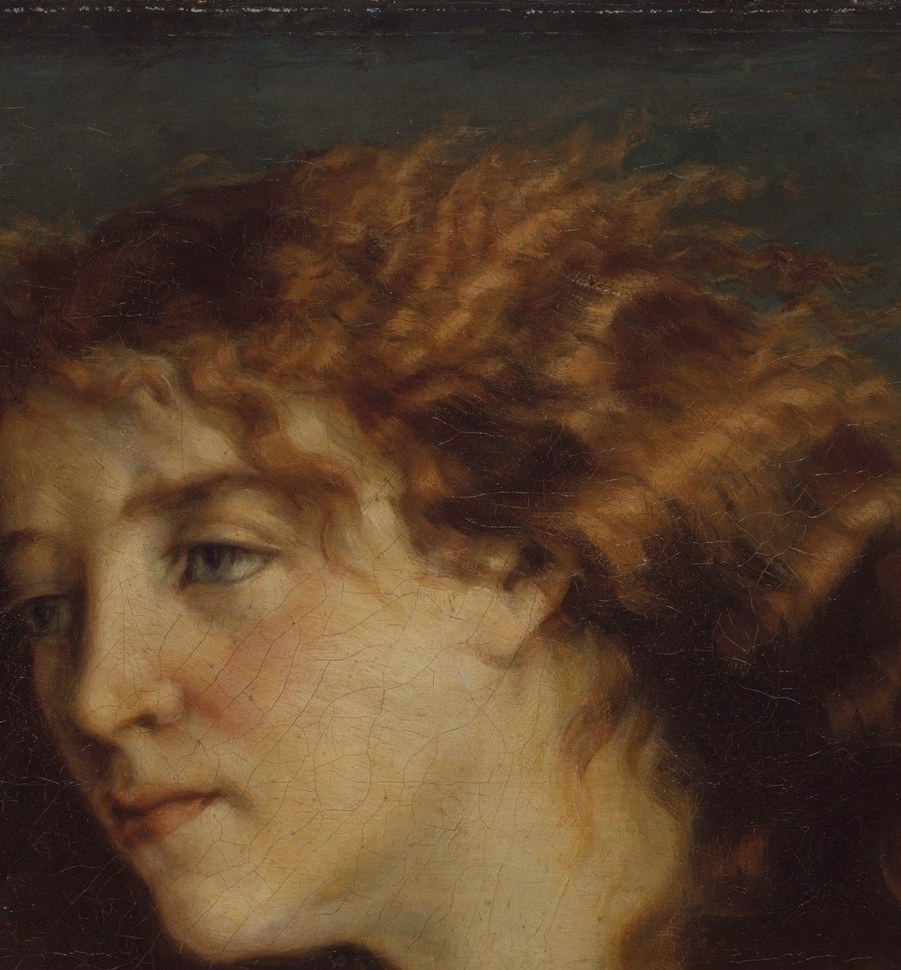
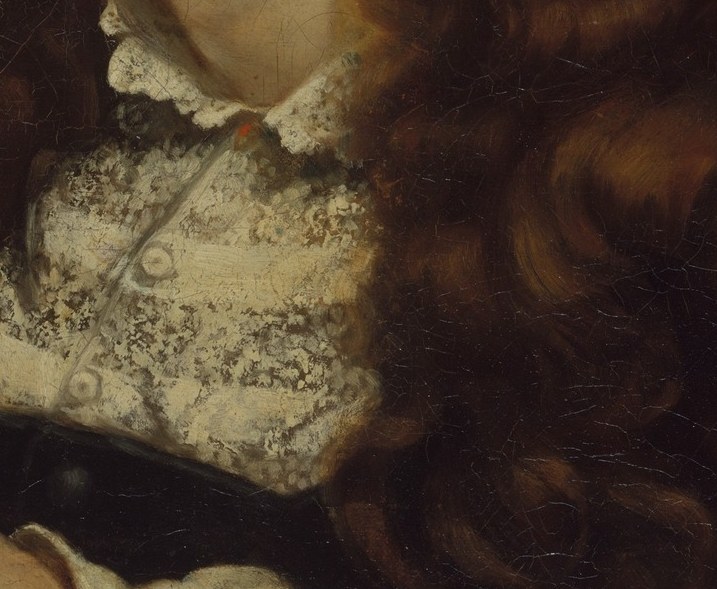
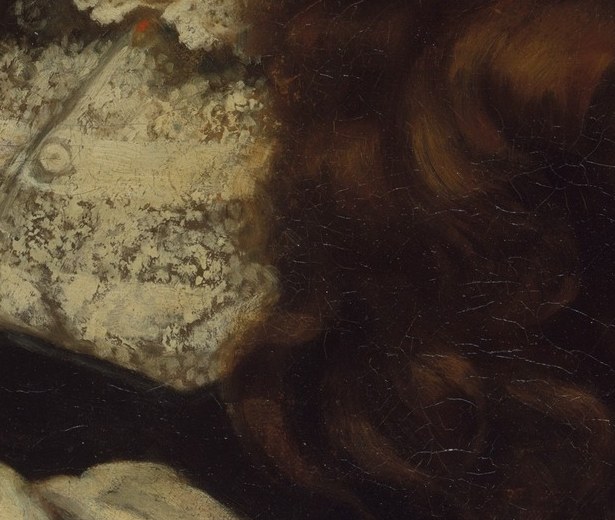
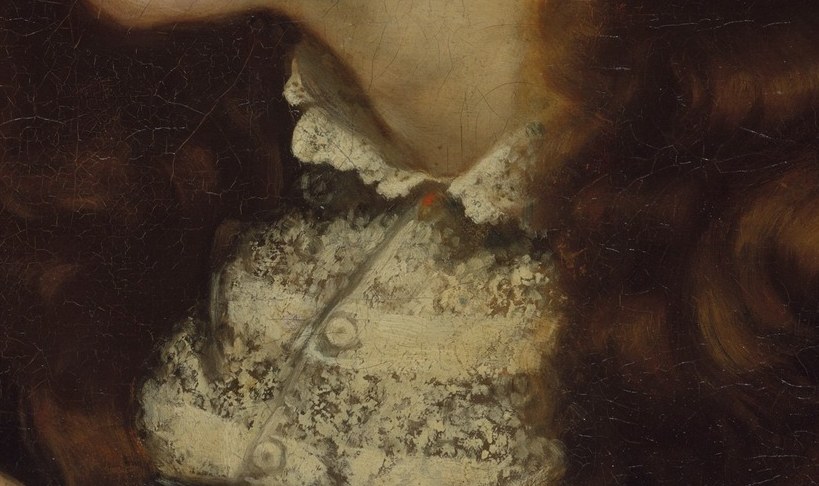
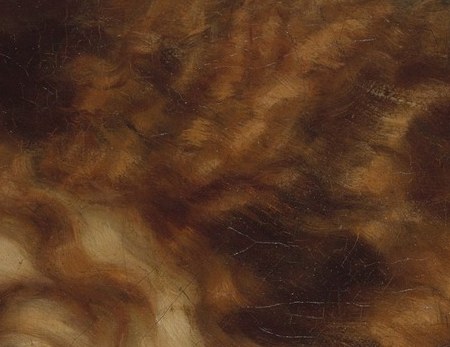
Look first at the small mirror she holds, we see her seeing herself, but the reflection is kept from us. This was a classic vanitas motif, a whisper that all beauty fades. Then look at the two opposing signs: the unruly cascade of auburn hair, painted with a palette knife's thick impasto, signifying unbound sensuality, and the crisp, high-necked white lace collar pulling her firmly back into the realm of middle-class modesty. Every element is a word in a sentence about identity.
Courbet was known for his commitment to painting only what he could see, rejecting the idealized subjects of the Academy. Here, he applied that realist eye not to a landscape or a worker, but to the interior life of a woman. The painting was completed just a year before his provocative 'L'Origine du monde', and you can see the same fearless interest in the human body and its textures in the dense, sculptural paint of her hair.
So the painting leaves us with a question rather than an answer. Is she a vain woman admiring her looks, or a thoughtful person confronting her own reflection? Courbet gives her both the mirror and the lace, and leaves the truth suspended between them. What do you think she was really looking for in that glass?
Details
Transcript
She seems lost in her own reflection. But this is more than a simple portrait. It is a code. The small mirror in her hand is the first key. In the 19th century, a mirror was a vanitas symbol, a reminder of mortality and fleeting beauty. The cascade of red hair is a symbol too: unleashed sensuality and creative force. But notice the white lace collar. It anchors her in respectability. Courbet traps her between pure self-admiration and social modesty. The code adds up to a question: who is she, really, when no one is watching?