The continence of Scipio by Jan van Noordt
The Continence of Scipio by Jan van Noordt, 1672, at the Rijksmuseum. Painted in the year the Dutch call the Rampjaar, the Disaster Year, when the republic nearly collapsed. Its subject is not war but the moment after.
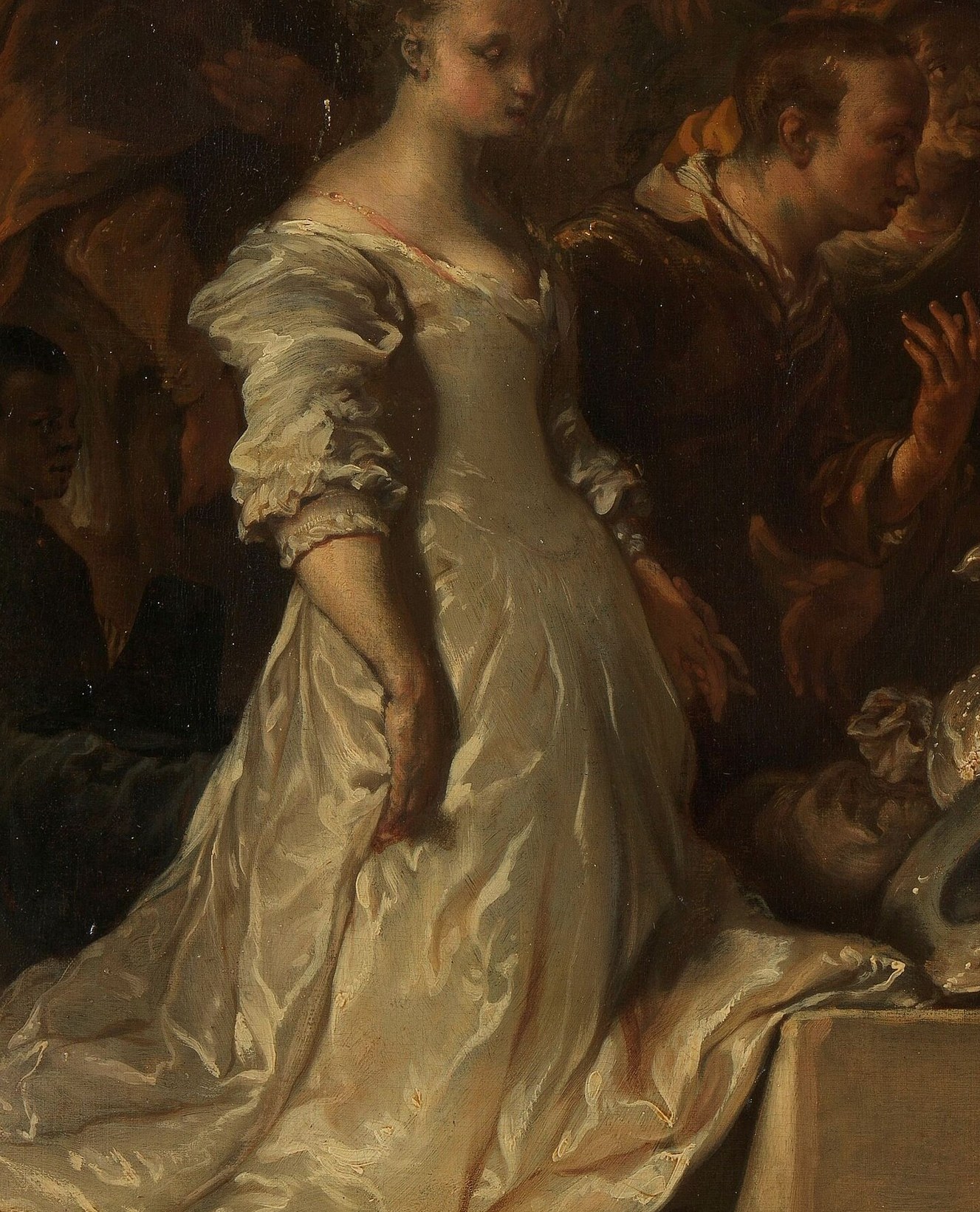
Look for Scipio's open right hand. The woman's satin dress catching all the light. The broken helmet at her feet. Van Noordt uses chiaroscuro, bright light on the central figures and deep shadow around them, to make mercy the brightest thing in the room.
After defeating his enemy, Scipio Africanus captured a young woman. Her fiance came to ransom her. Scipio returned her freely and gave the ransom as a wedding gift. That is continence: self-restraint.
In its darkest year, a Dutch painter chose to paint a Roman who had the power to take everything and chose not to. That is what the title means.
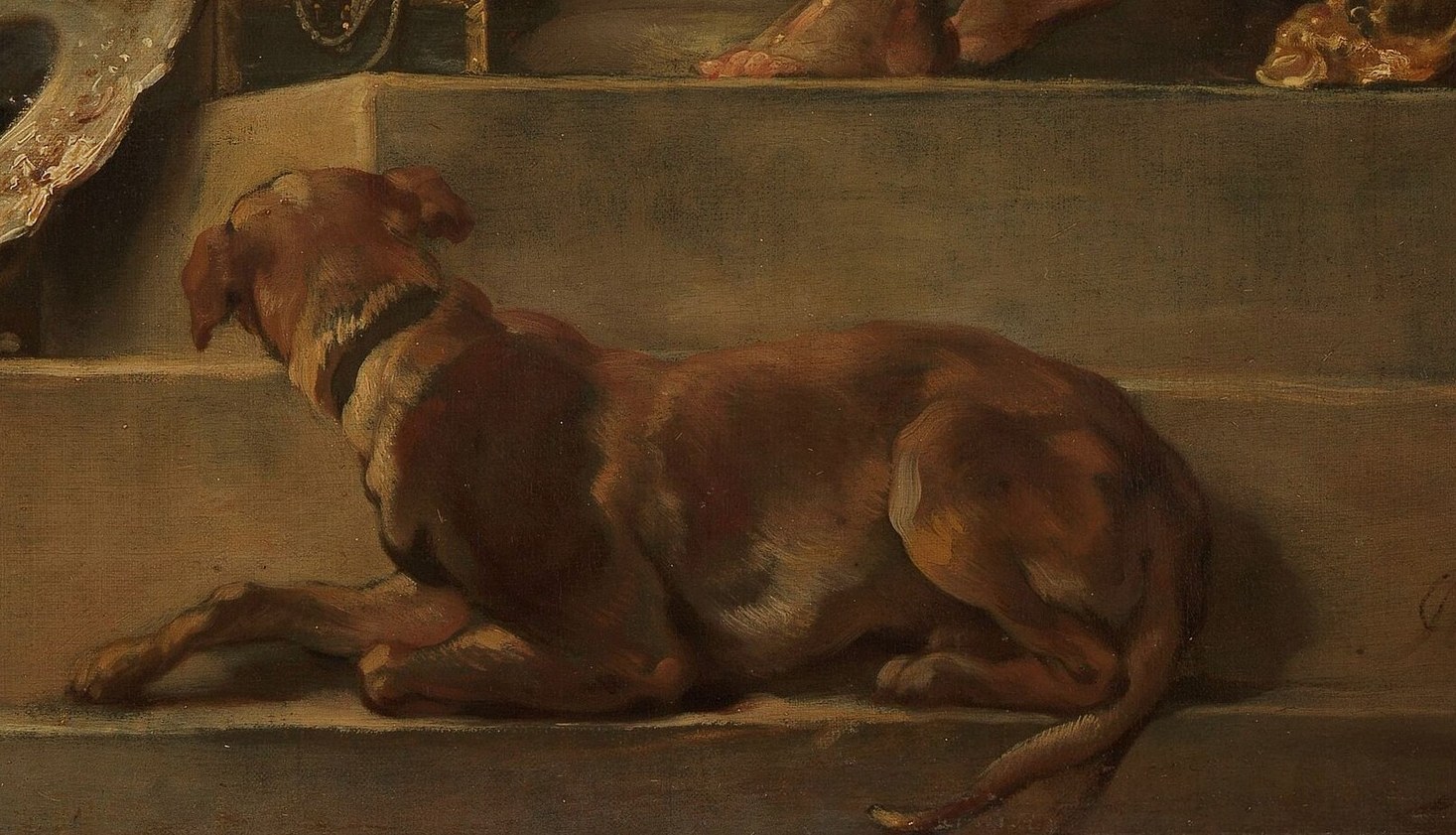
Details
Transcript
The year 1672. The Dutch called it the Disaster Year. A Roman general. Painted while the republic was collapsing. That open hand is the whole point of the story. Her satin dress holds every drop of light in the room. Broken armor at her feet. The fight stops here. Van Noordt lit mercy and left the rest to shadow.