Anna de Peyster (?) by Doornik, Frans van
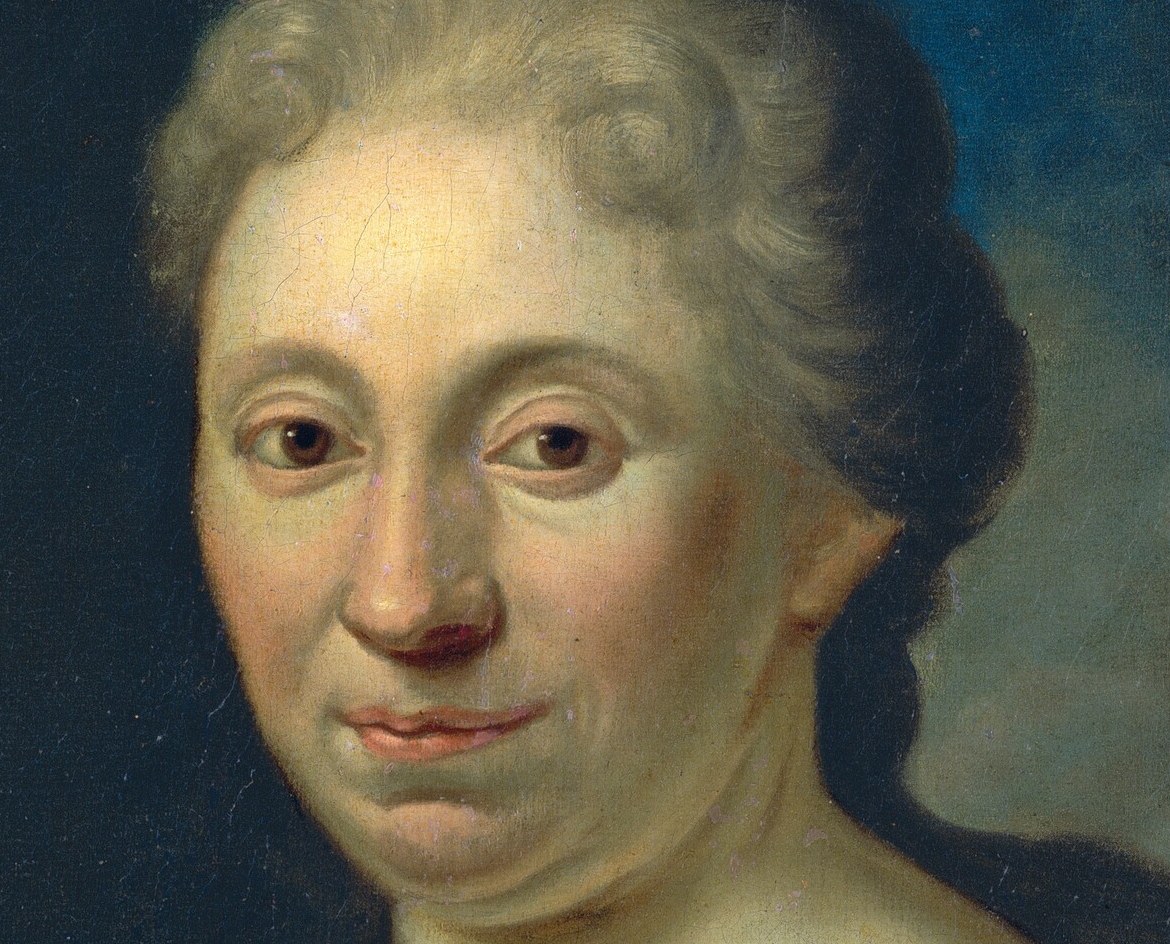
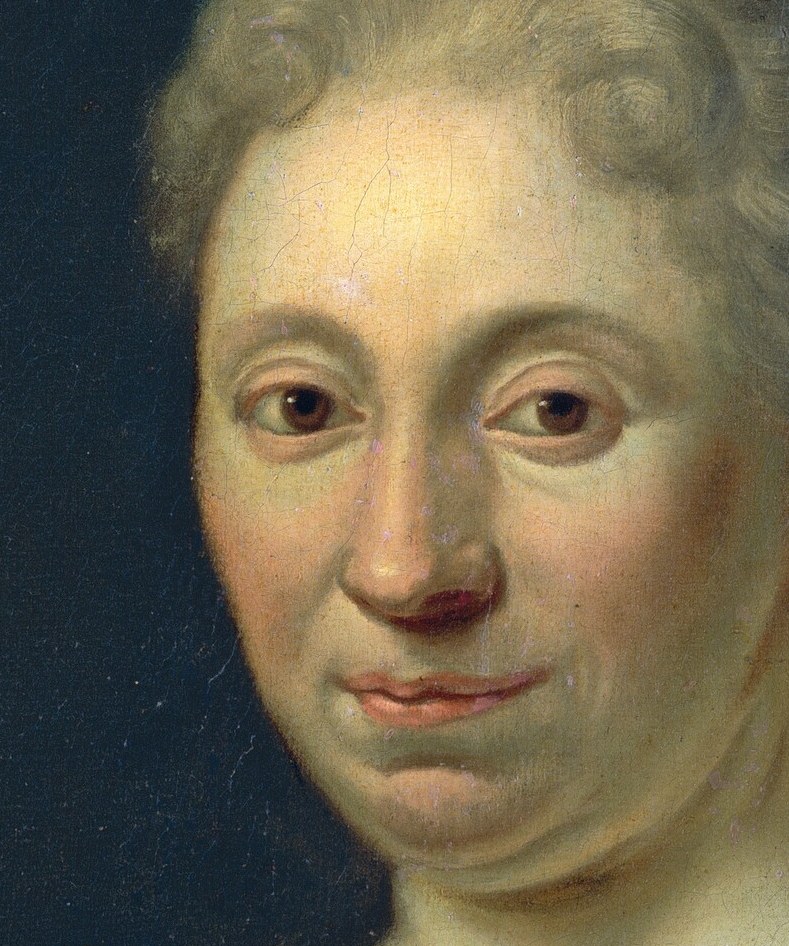
Frans van Doornik's 1731 portrait, "Anna de Peyster (?)", housed at the [Museum Name, if known], showcases an astonishing mastery of texture. The artist's ability to render various fabrics with such realism in oil paint is truly remarkable.
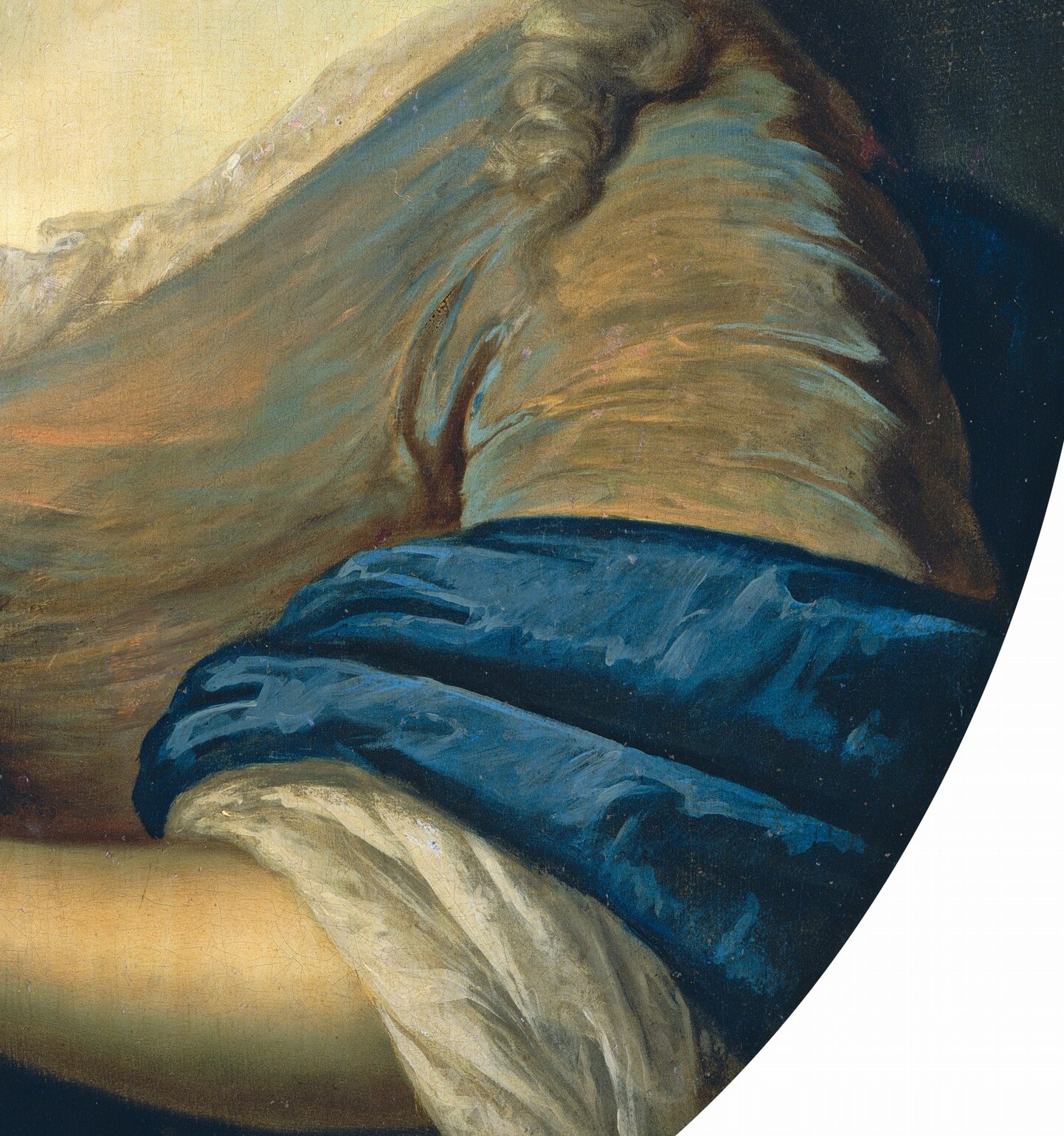
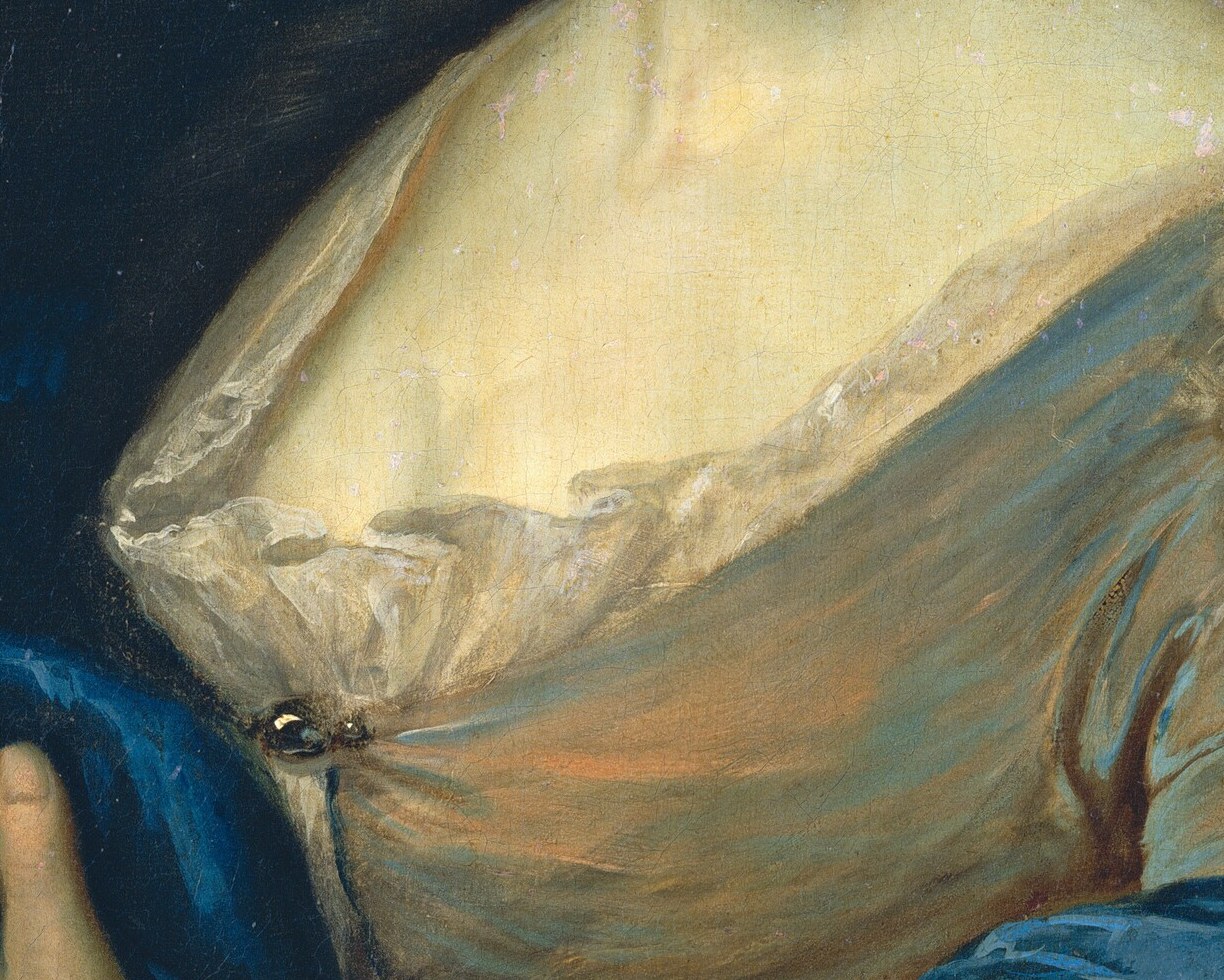
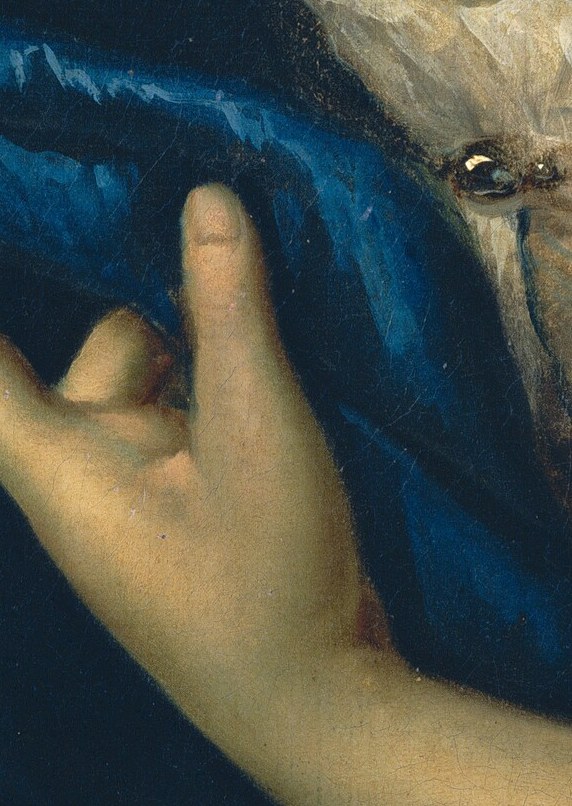
From the delicate, light-catching strands of her hair to the luxurious folds of her blue silk shawl, the painting invites close inspection. However, it is in the intricate white lace of her gown where Doornik's skill truly shines, depicting countless tiny stitches with paint.
This painting exemplifies early 18th-century portraiture, emphasizing the sitter's grace and social standing through meticulous detail. The use of light and shadow creates a sense of depth, making the figure emerge vividly from the dark background.
What other details do you notice that bring this painting to life?
Details
Transcript
This painter was a master of textures. See how her hair catches the light, strand by strand. Every fold of the blue shawl looks like real silk. But the real trick is the white lace of her gown. Thousands of tiny, shimmering stitches in paint. Frans van Doornik, 1731: making paint look like lace.