北宋 郭熙 樹色平遠圖 卷 |Old Trees, Level Distance by Guo Xi
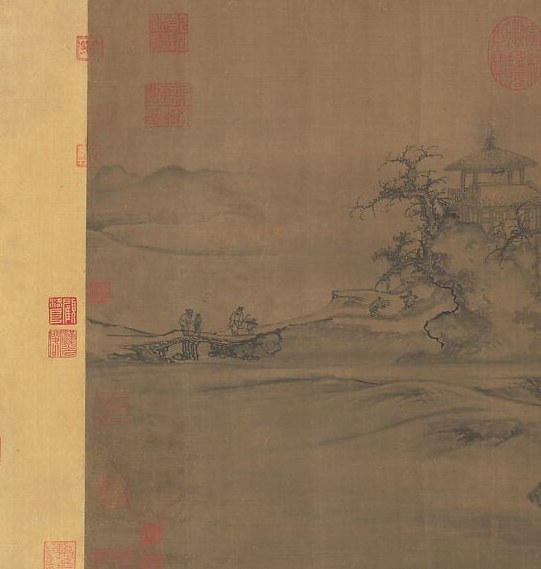
Old Trees, Level Distance is a Northern Song dynasty handscroll by Guo Xi, completed around 1080. It came to the Metropolitan Museum of Art in 1981, carrying on its silk the stamp of nearly a thousand years of survival.
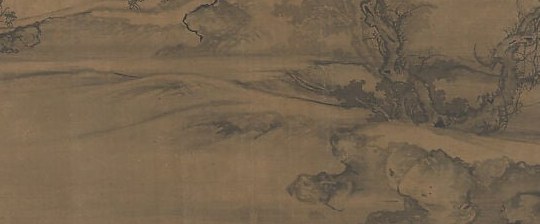
The first thing you notice are the foreground pines, twisted, ancient trees Guo Xi treats like character portraits. Look at the branch tips: they fork into what scholars call crab-claw terminals, a technique so distinctive it named an entire stylistic lineage. But then your eye reaches the center and finds nothing at all, a band of blank silk where the mist should be.
That void is the painting's engine. Guo Xi called this mode "level distance", a horizontal march into haze rather than vertical mountain drama. In Daoist philosophy, emptiness is not a lack; it is the source from which form emerges. The unpainted silk is a positive visual element, as deliberate as the darkest ink.
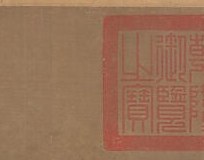
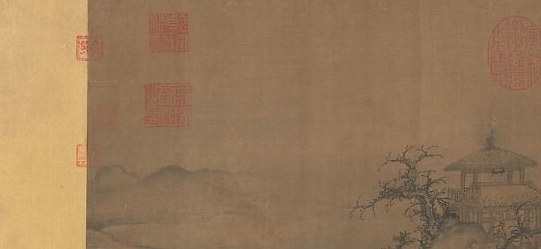
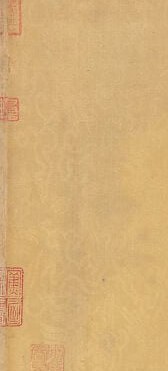
Since the 11th century, emperors and connoisseurs have pressed their red seals onto this scroll, each stamp a link in a chain of custody through dynastic collapse and the global art market. The silk remembers what the brush never recorded.
Details
Transcript
It begins with a signature, not the painter's. A red seal pressed here means an emperor once unrolled this. Guo Xi finished this scroll around the year 1080. He treats twisted old trees like living portraits. Those crab-claw branch tips became his trademark. But the real subject is the emptiness at the center. In Daoist thought, the void is not absence. It is the source. Nine centuries of war and empire, and the silk held.