The adoration of the magi by Jacob Cornelisz van Oostsanen
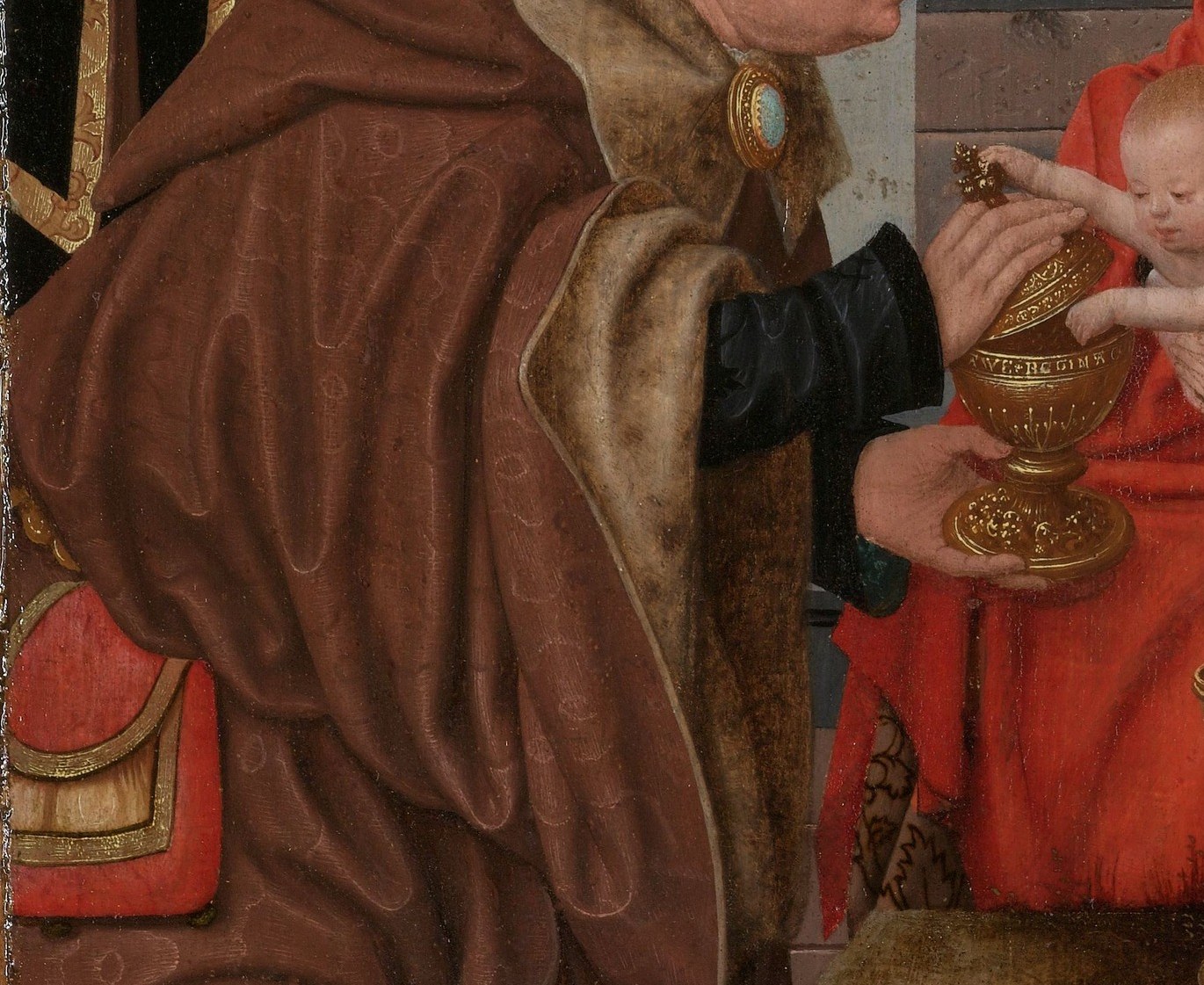
Jacob Cornelisz van Oostsanen's Adoration of the Magi (c. 1510) is a vibrant scene of devotion at the Rijksmuseum. Most viewers focus on the rich robes of the Magi or the serene faces of Mary and the Child. Yet, behind the main action lies a subtle narrative about transitions and new eras.
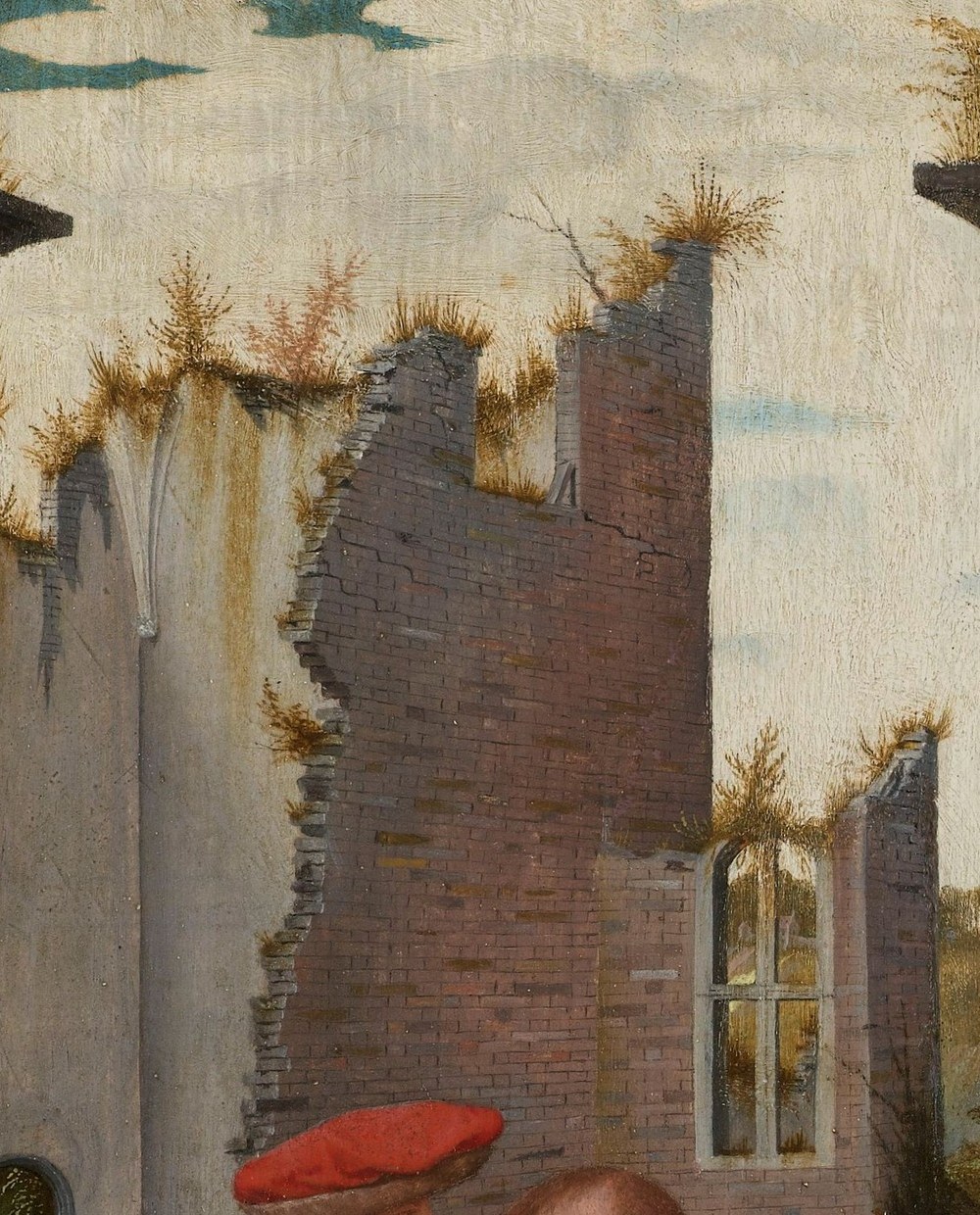
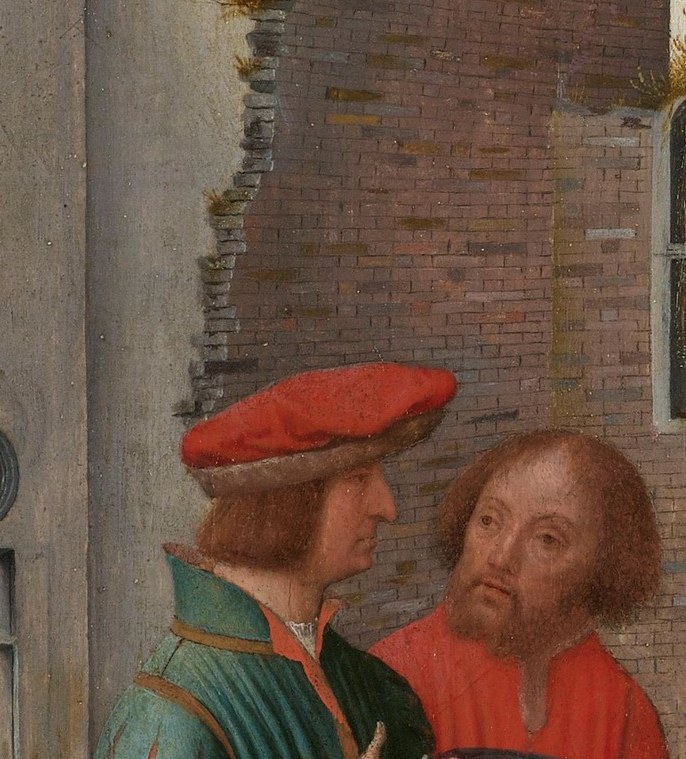
Look to the background: a crumbling archway, a symbol of the end of the Old Covenant. But within its shadow, a pure white horse emerges. This horse, a symbol of purity and significant arrival, signifies the dawning of a new age with Christ's birth.
Painted in Amsterdam during a prosperous High Renaissance period, this work by a leading Northern Netherlandish artist captures both religious devotion and symbolic depth. The contrast between the decaying architecture and the pristine horse offers a profound commentary on spiritual continuity and renewal.
What other hidden symbols can be found within this bustling scene?
Details
Transcript
The Magi bring gifts to the child. His robe is woven with gold thread. The archway in the background is ruined. This symbolizes the end of an old era. A pure white horse enters the ruin. The horse suggests a new beginning is here.