Portrait of a Man by Millet, Jean-François
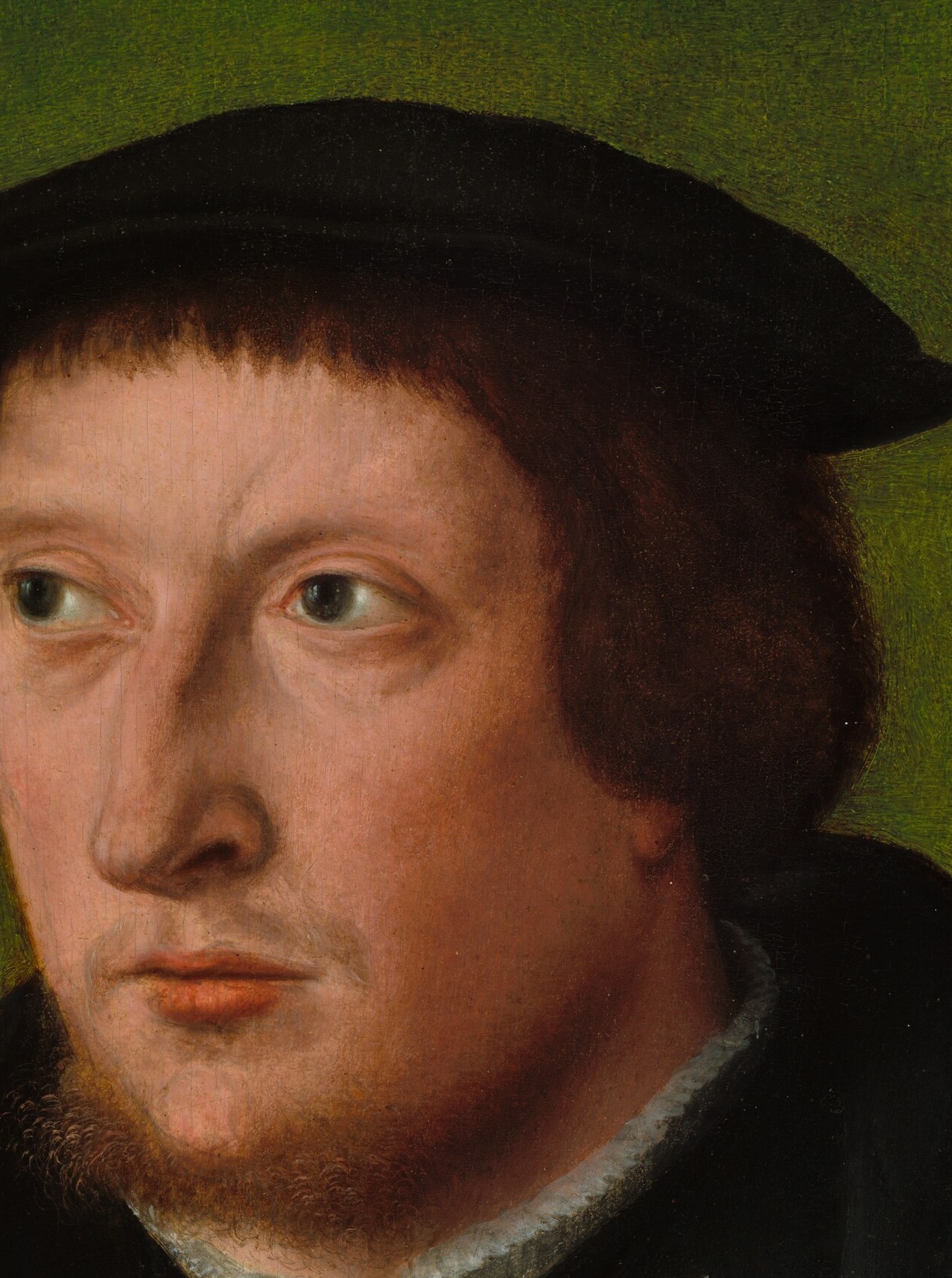
Jean-François Millet, renowned for his monumental depictions of peasant life, also painted striking portraits like this one, *Portrait of a Man*, around 1845. This early work is a profound departure from the rural scenes that would define his later career, offering a glimpse into his initial focus on individual human subjects.
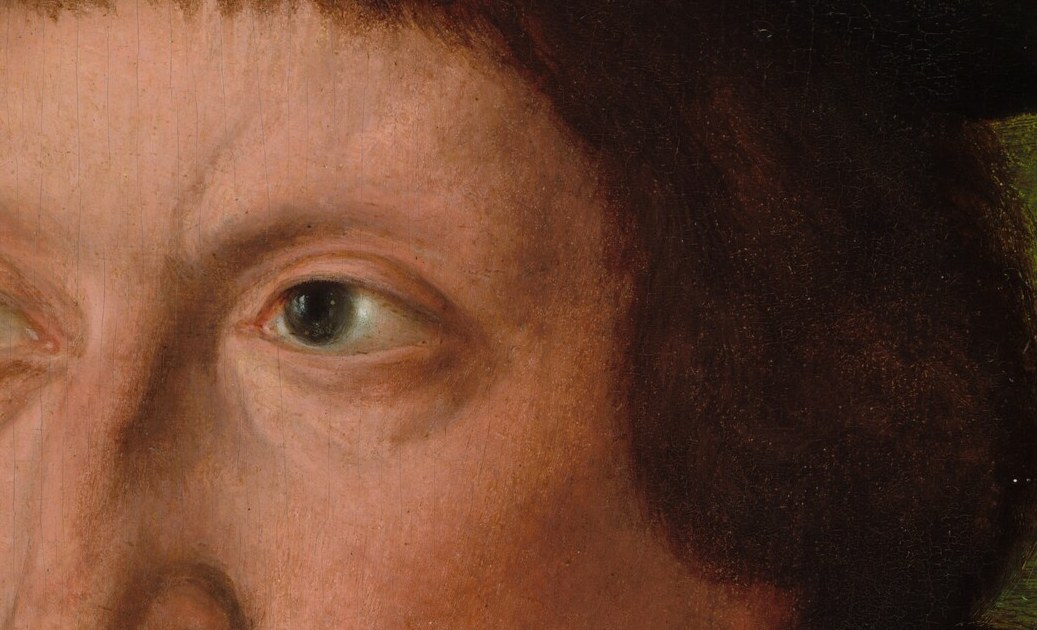
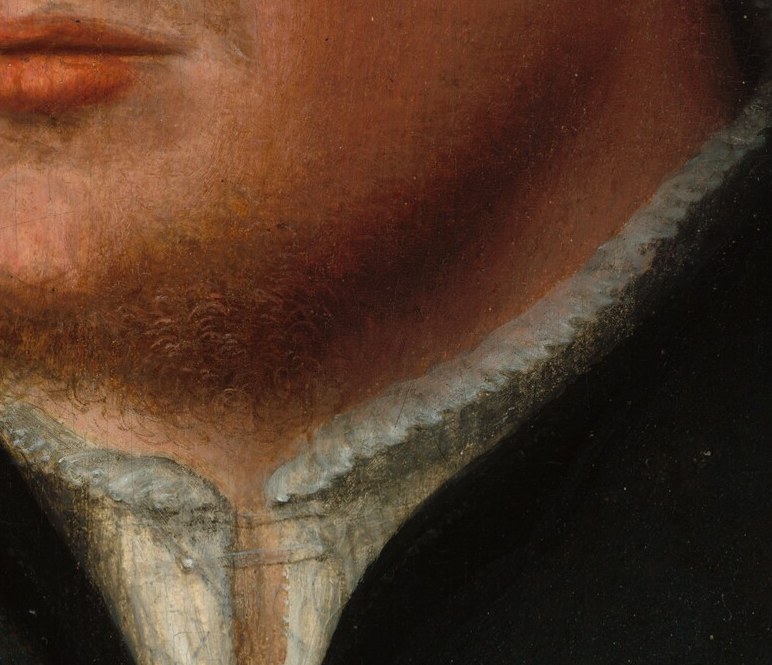
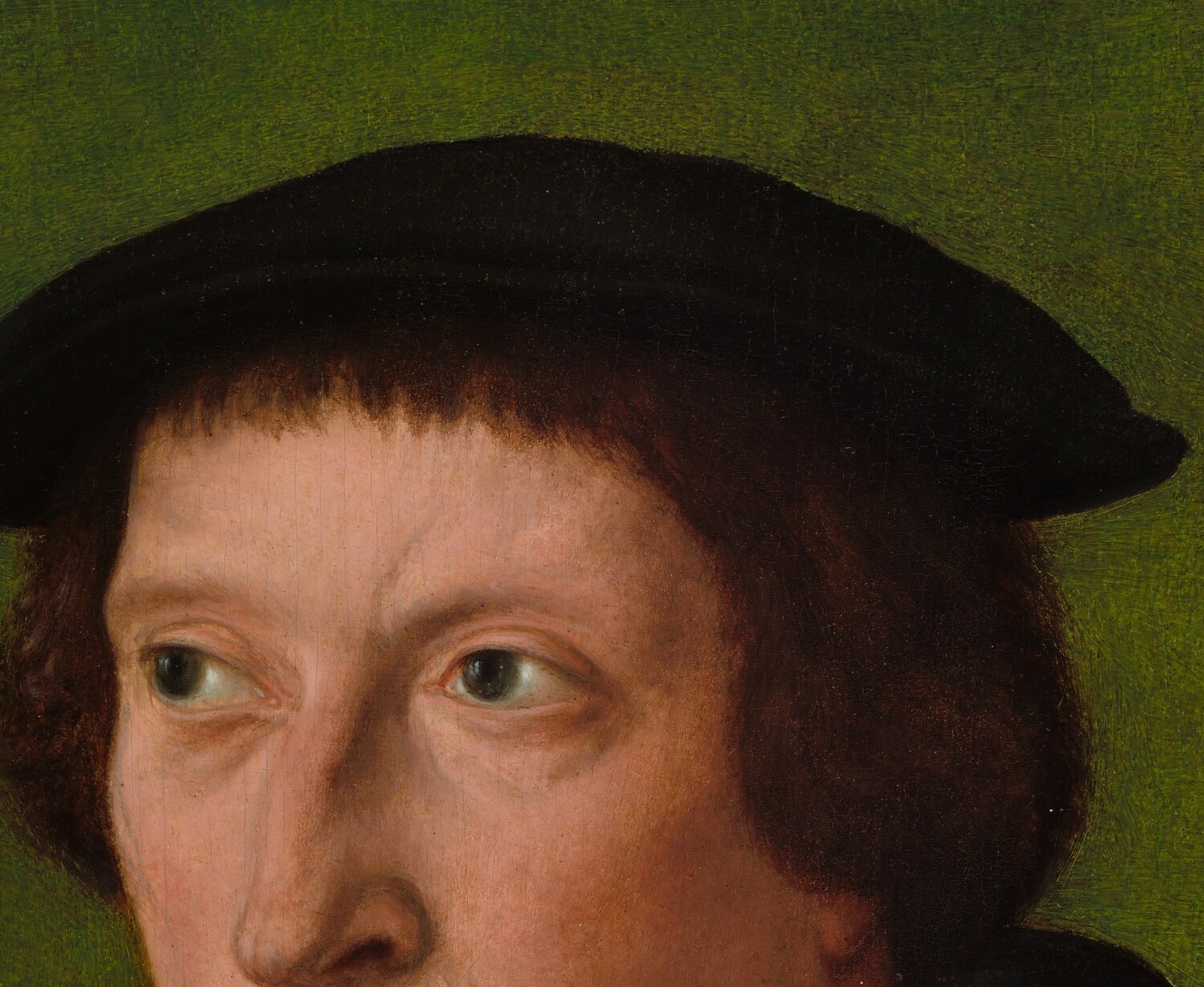
Look into the subject's watchful eyes and firmly set mouth; Millet captures a sense of quiet dignity and introspective depth. The stark white cravat and the subtle chiaroscuro highlight the sitter's features, pulling the viewer into a direct confrontation with his inner world.
Millet, a co-founder of the Barbizon school and a key figure in Realism, eventually shifted his focus to the lives of agricultural laborers, immortalizing them with a similar gravitas. This portrait shows the foundational skill that underpinned his later work, revealing his early engagement with human psychology before his broader social commentary.
What do you see in his expression?
Details
Transcript
This painter defined an era of peasant life. But look closely at this early portrait. His eyes fix you with a watchful, almost wary gaze. His firmly set mouth conveys deep inner gravity. The stark white cravat anchors this psychological study. It’s a world away from the farm fields he made famous.