A Farm in Brittany by Paul Gauguin
Paul Gauguin's "A Farm in Brittany," painted in 1898, is a beautiful example of Post-Impressionism, now housed in a private collection. It captures a tranquil rural landscape, but through Gauguin's distinctive use of color and form, it conveys more than just a literal scene.
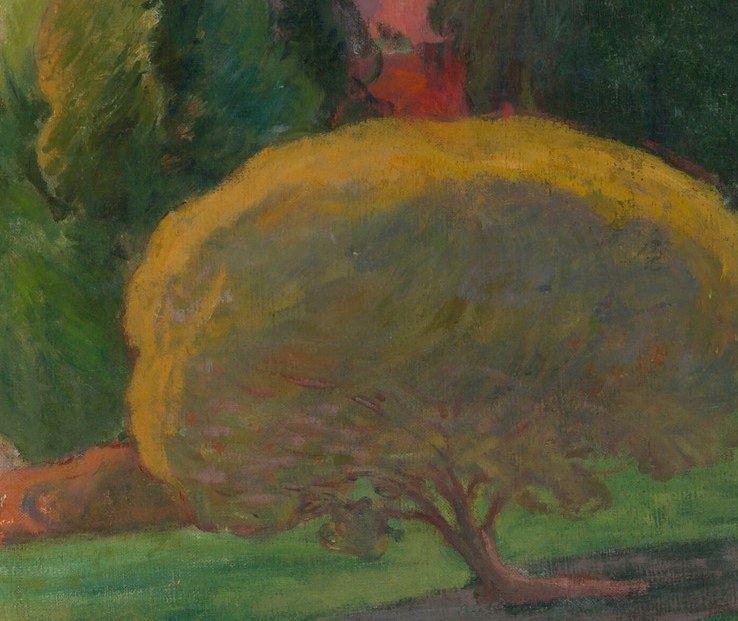
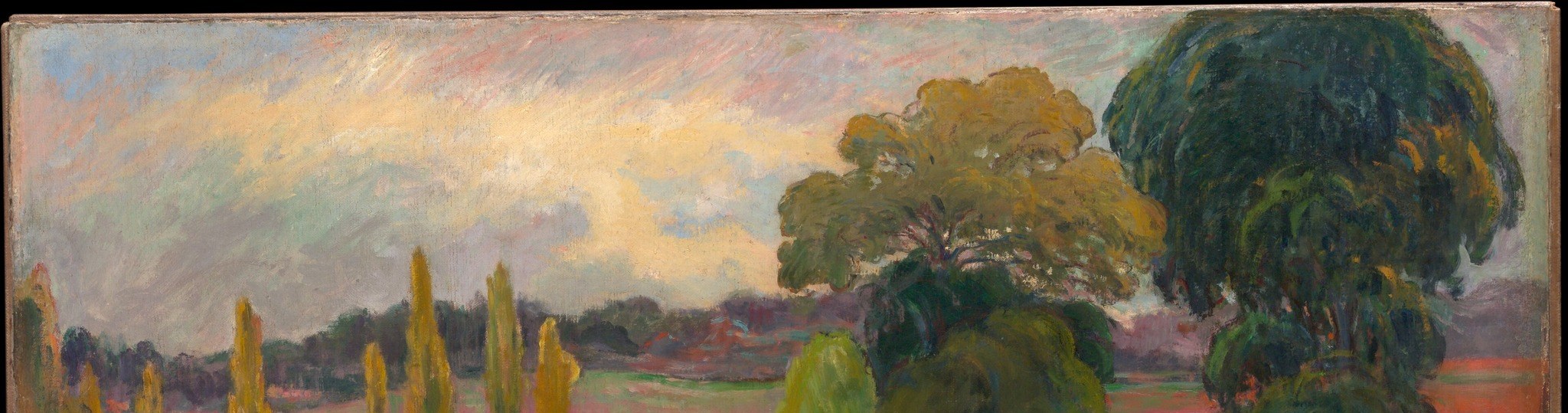
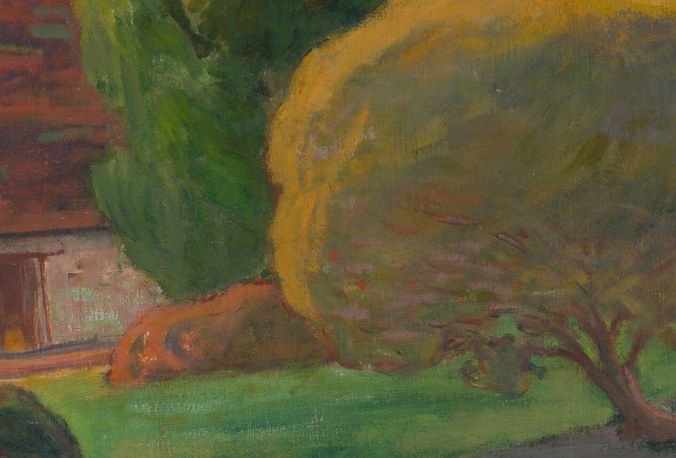
Look closely at the vibrant, almost dreamlike quality of the fields and trees, created with thick, visible brushstrokes. The sky, with its dramatic swirling clouds, adds an emotional depth to the scene.
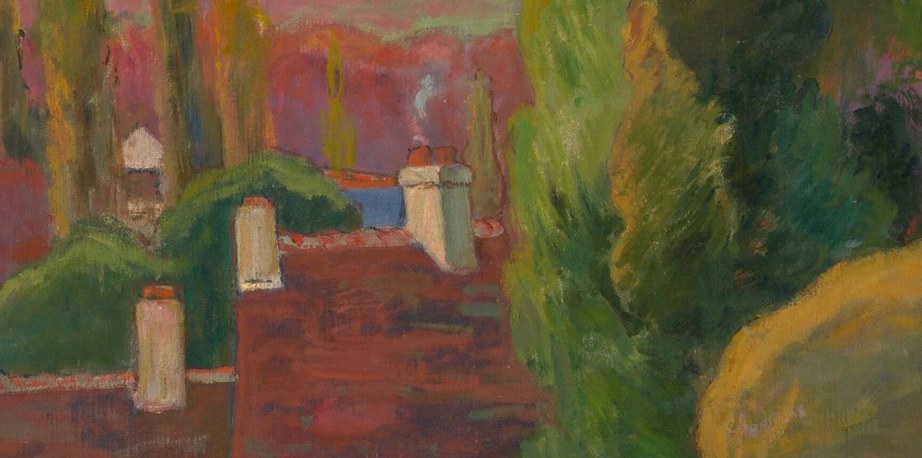
While the farm itself seems to blend into the landscape, a subtle detail, a wisp of smoke from the chimney, hints at life within. This small element anchors the expressive landscape in human presence and warmth, a quiet touch of domesticity.
Gauguin, a pivotal figure in modern art, sought to move beyond mere optical realism, developing a bold, symbolic approach that influenced many subsequent art movements. What feeling does this landscape evoke for you?
Details
Transcript
Gauguin painted this farm in Brittany, in 1898. He moved beyond realism to capture the feeling of a place. Notice the thick brushstrokes and vibrant, non-naturalistic colors. The sky swirls with light and shadow, full of emotional energy. Yet, a wisp of smoke reminds us of a quiet life within. A subtle detail, grounding the painting in human presence.