The Manneporte near Étretat by Claude Monet
View the artwork: The Manneporte near Étretat →
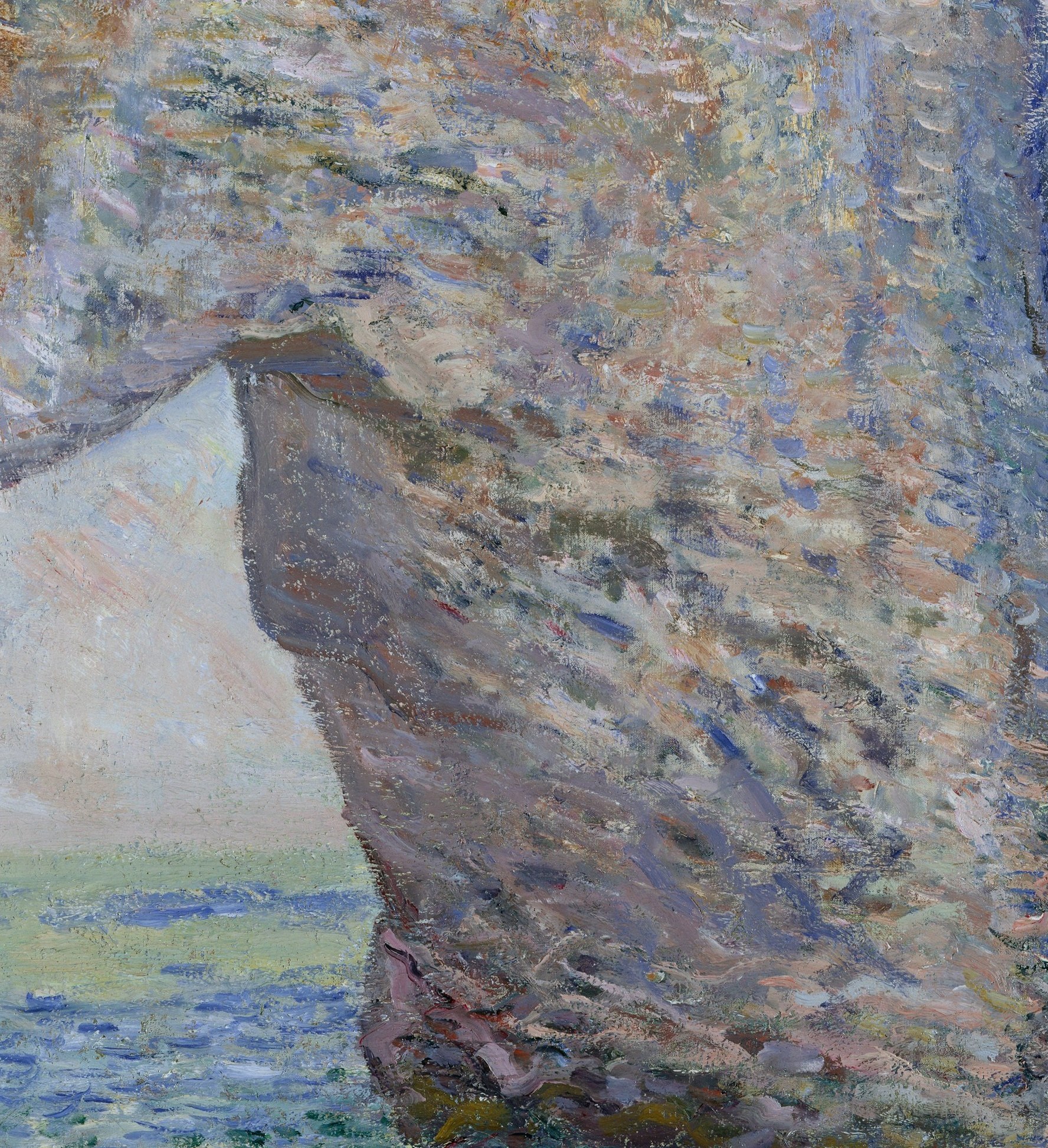
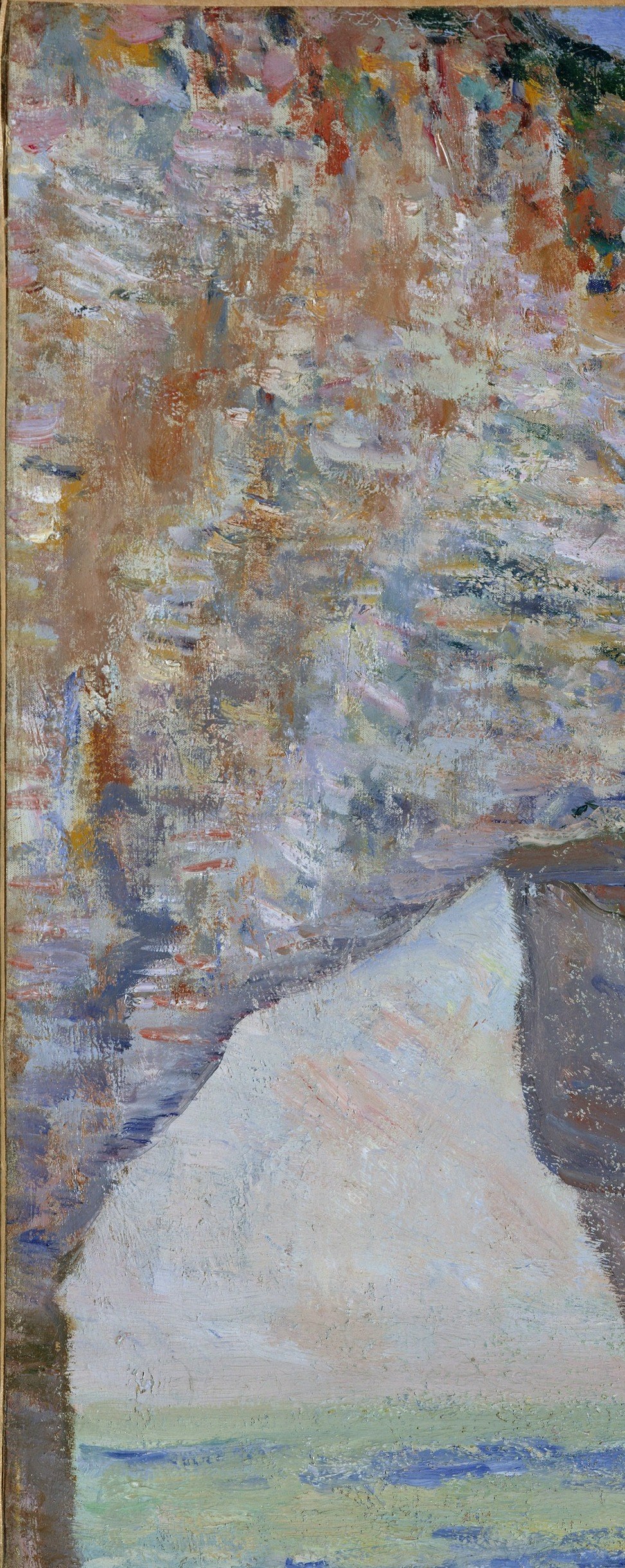
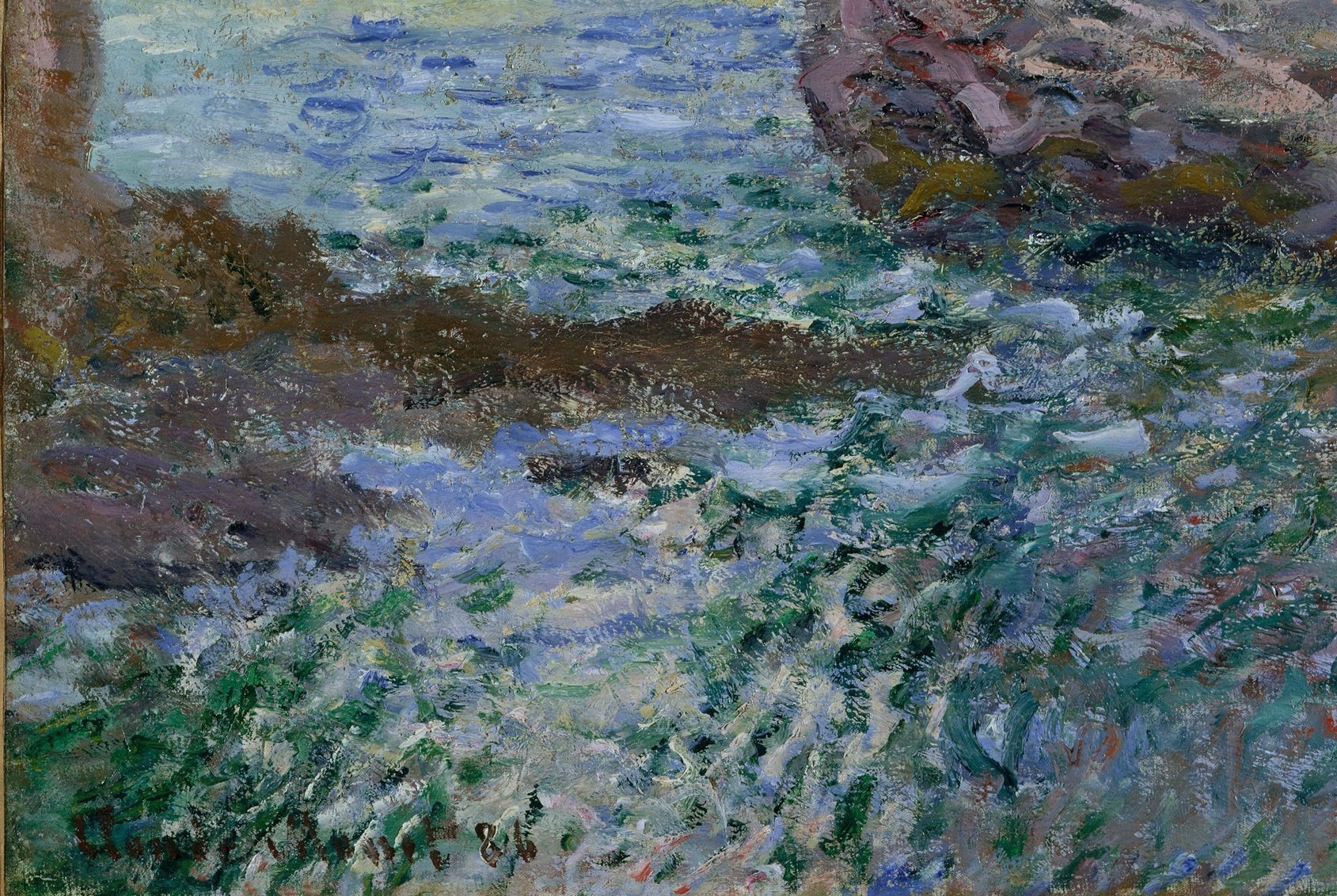
Monet's luminous view of the Manneporte arch on the Normandy coast was stolen twice before it came to The Met. Painted in 1886 during one of the artist's campaigns at Étretat, this canvas captures the moment sunlight hits the chalk cliff with such force that the stone seems to dissolve into air. Monet painted six versions of this same view, but this one lived a life far stranger than the rest.
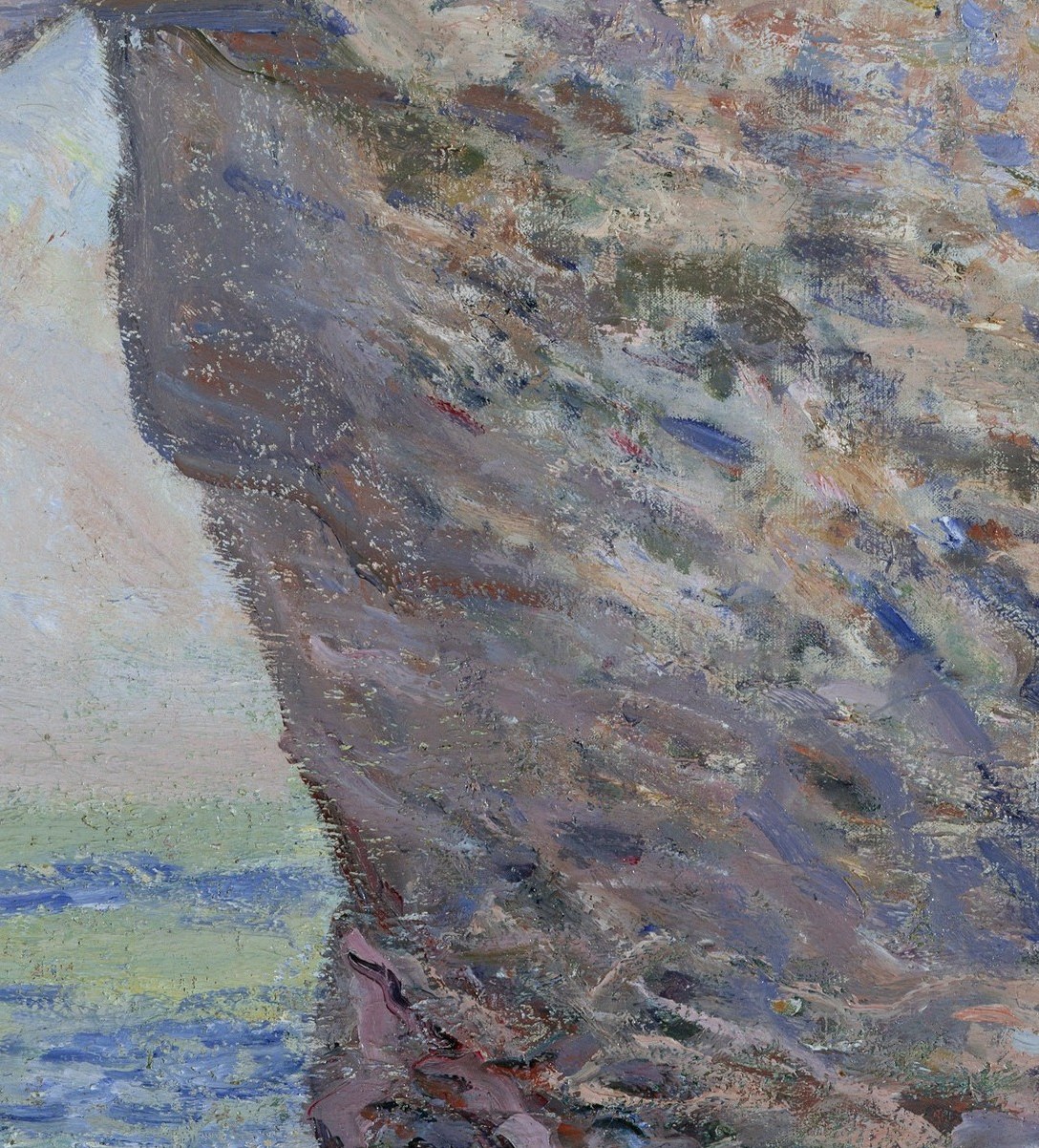
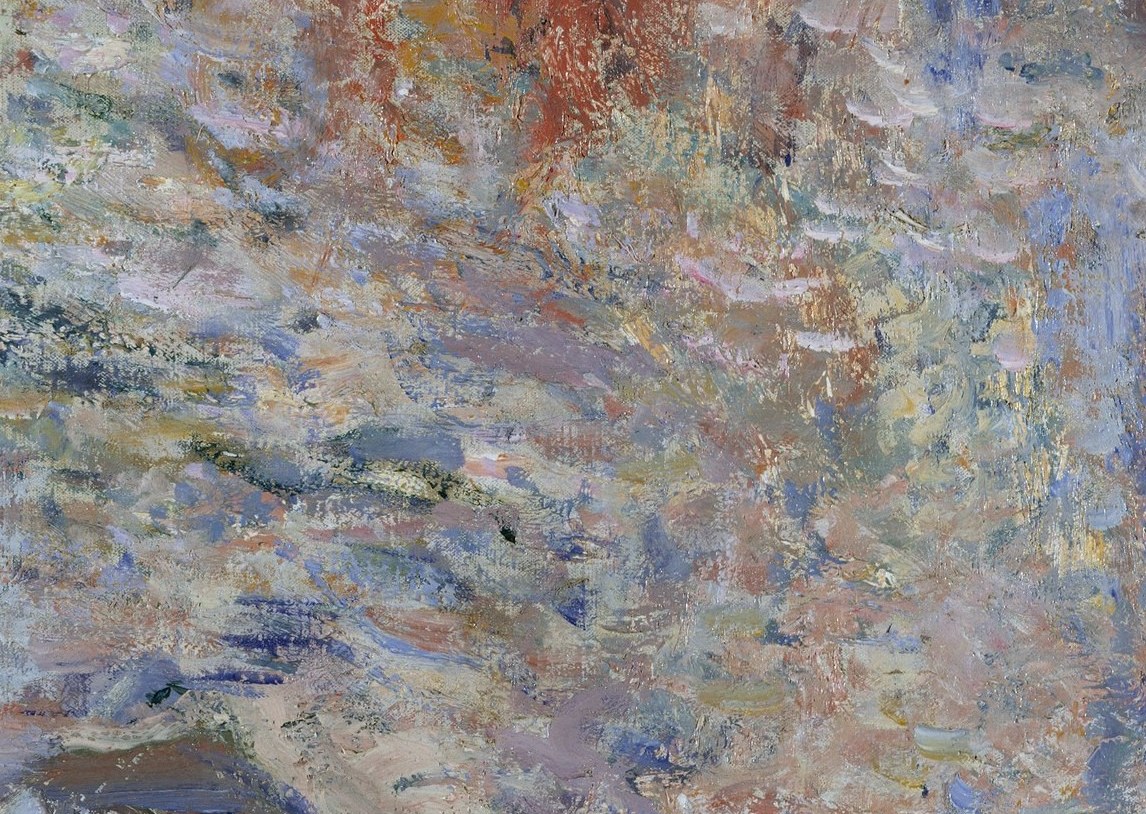
Look through the arch itself. Monet turns what should be empty space into the emotional center of the painting, framing a glimpse of open sea and pale sky. On the crown of the arch, warm orange and ochre strokes burn with afternoon light. Down below, thick green and white surf churns at the cliff base. The paint is so heavily built up in places that it casts its own tiny shadows.
In 1941, the Nazis confiscated this painting from a French collector and hid it in a salt mine. When the war ended, an American soldier discovered the cache, took the canvas, and shipped it home to Texas. For years it vanished from art history entirely. A Met curator eventually tracked it down through a label on the reverse. Today it sits in New York, inventory number 31.67.11, gifted by collector Lillie P. Bliss, who never knew what journey her painting would take.
A landscape about the fleeting effects of light ended up surviving the darkest decade of the twentieth century. What do you think Monet would have made of that?
#arthistory #monet #ww2art
Details
Transcript
1941. The Nazis seize this Monet from a French collector. A German officer hides it in a salt mine. 1945. An American soldier finds the mine. He mails the canvas home to Texas. For decades, the art world loses all trace of it. A curator spots an old label on the back. Light dissolves the arch into pure color. The stolen Monet came home. It hangs in New York.