Head of a Man with Upturned Eyes by Legros, Alphonse
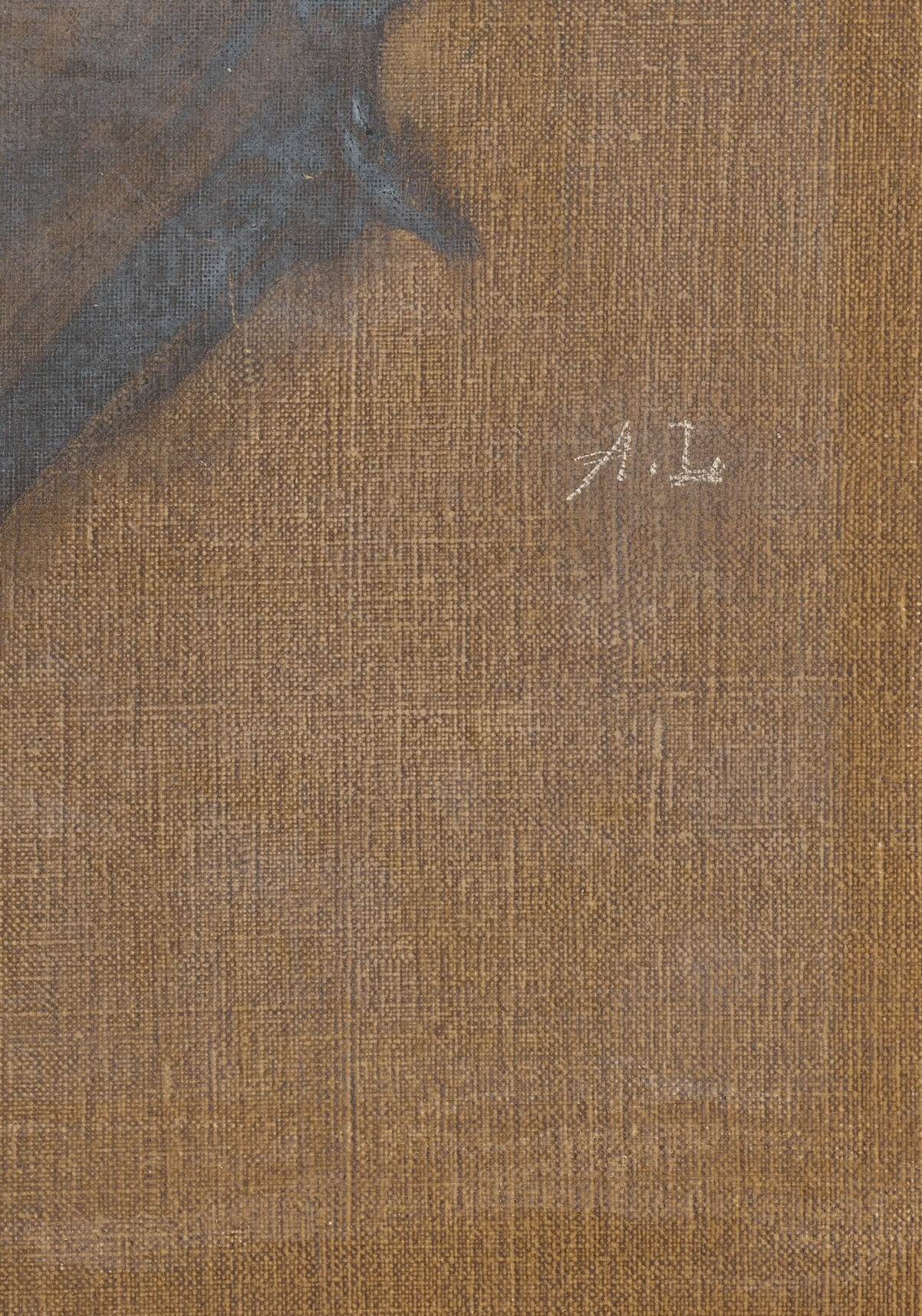
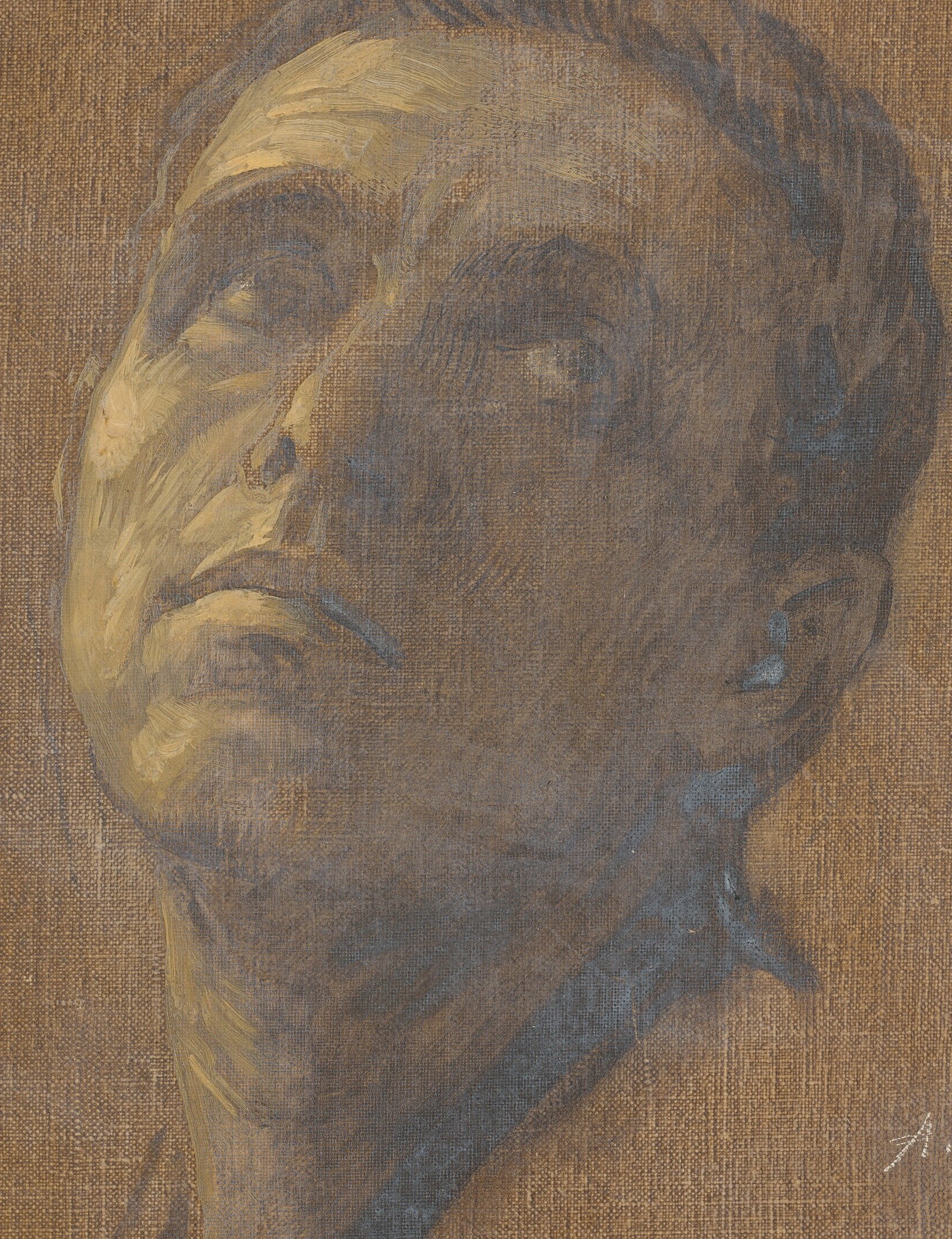
Alphonse Legros, a French-born artist who became a British citizen, painted *Head of a Man with Upturned Eyes* in 1874. This oil on canvas, now in a public institution, captures a solitary male figure in a moment of deep introspection, emphasizing the quiet stillness of his inner life.
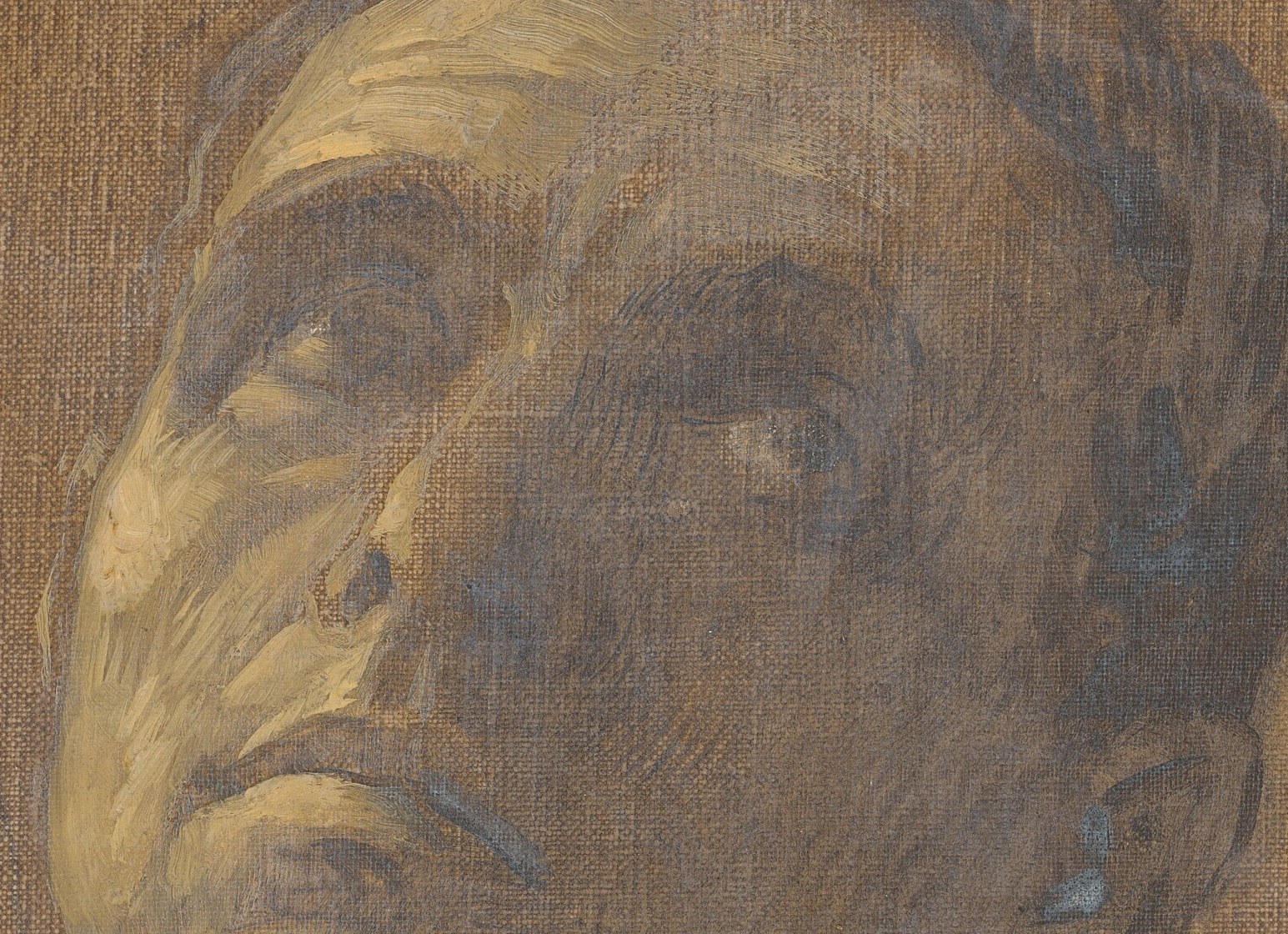
The painting's close-up study of the man's face, with its subtle chiaroscuro and delicate brushwork, draws the viewer into his contemplative state. The dramatic shadows across his face and neck, combined with his upward gaze, suggest a profound and unseen emotional world.
Legros, a significant figure in the realist movement, was known for his versatility across painting, sculpture, and printmaking. He settled in London in 1863, later becoming instrumental in the British etching revival as a teacher and influence on a generation of printmakers. This piece reflects the late 19th-century interest in truthful representation and the psychology of individual experience.
What do you imagine occupies his thoughts in this quiet moment?
Details
Transcript
This man’s face holds a quiet intensity. The painter was Alphonse Legros, a French artist. He moved to London in 1863 and became British. Look at the deep shadow on his face and neck. It creates a sense of profound contemplation. His upturned eyes suggest an inner world, unseen.