Self-Portrait before a Painting of "Amor Fedele" by Guercino
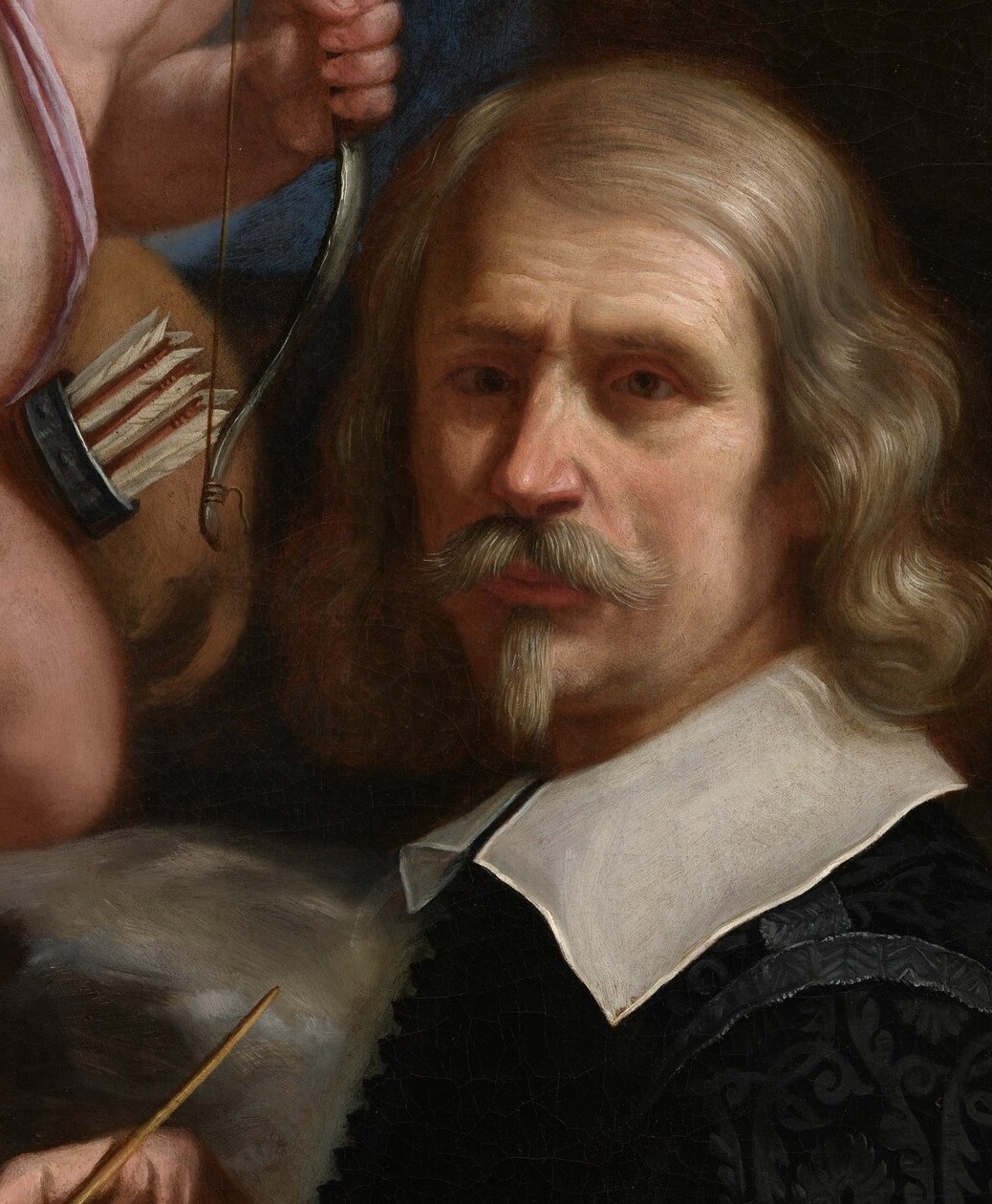
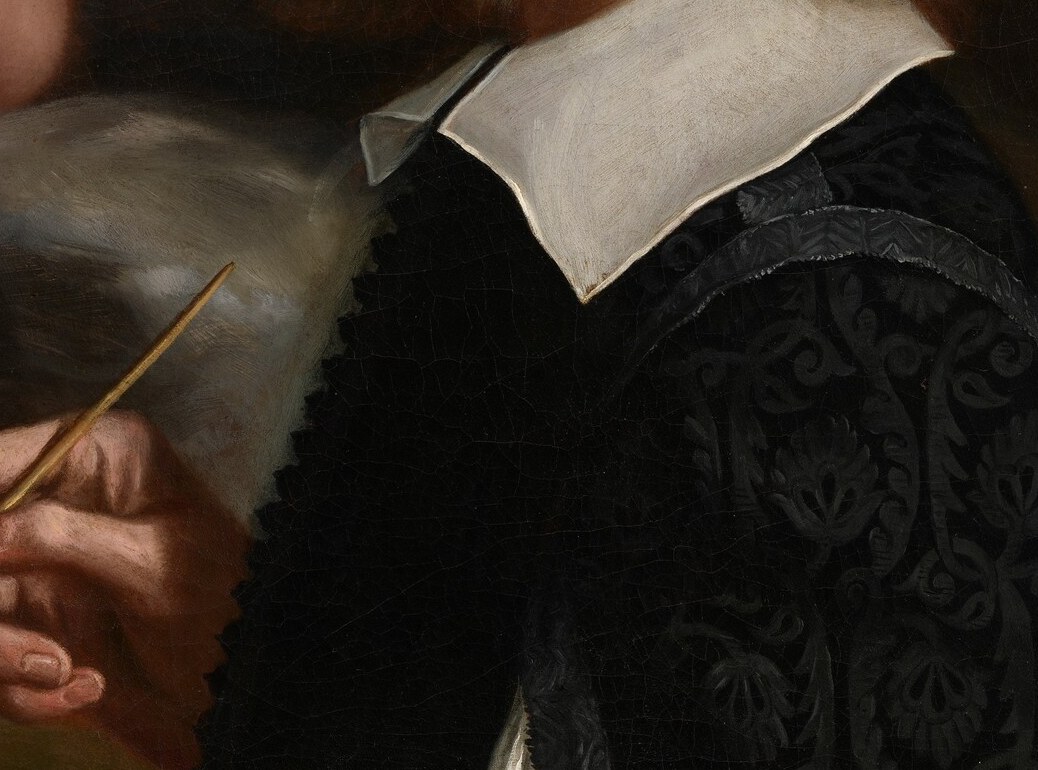
Guercino painted this self-portrait in 1655, at age sixty-four, inside his own studio in Bologna. He stands before his canvas of Amor Fedele, Faithful Love, and stares directly out at us. The painting lives at the National Gallery of Art in Washington.
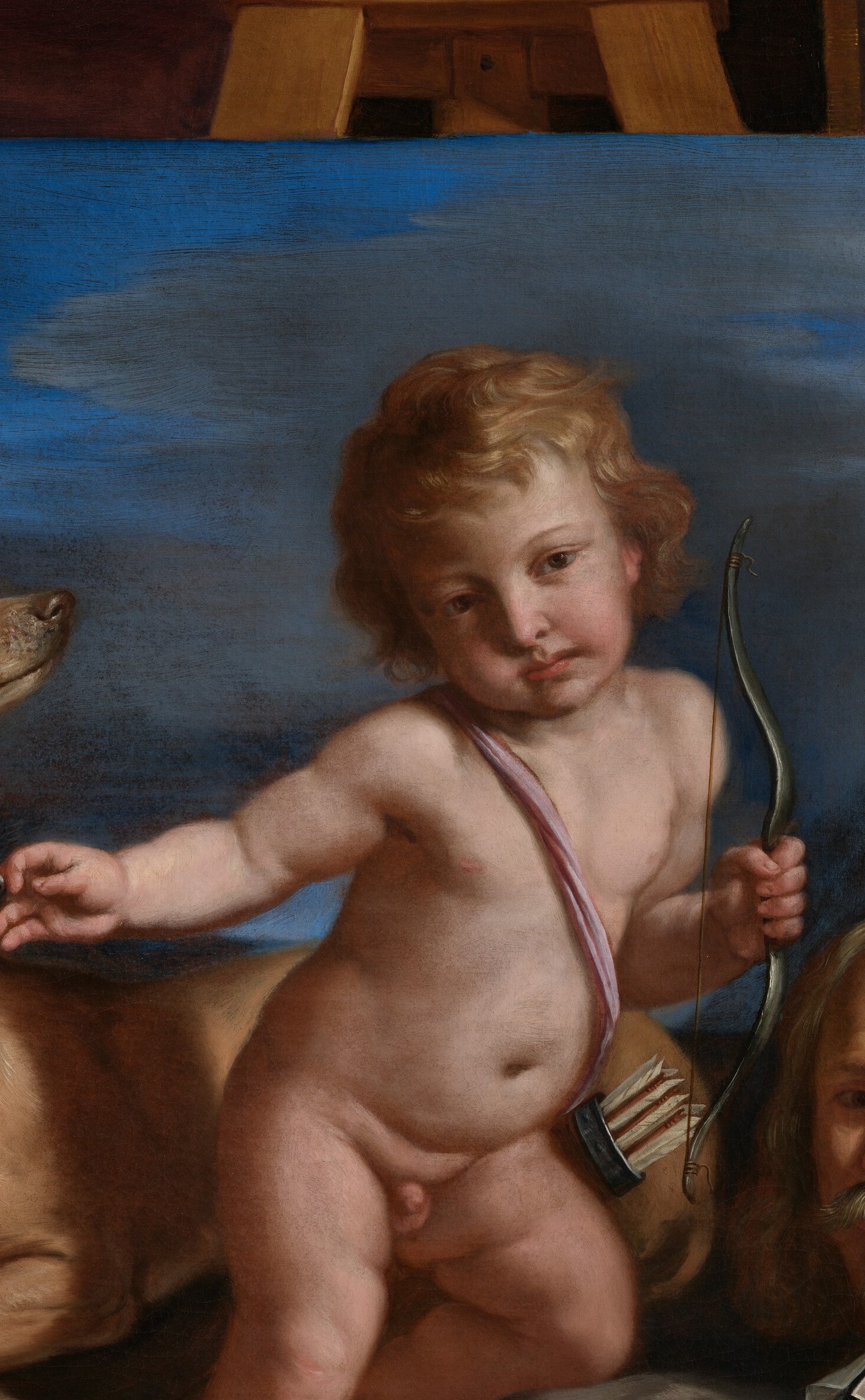
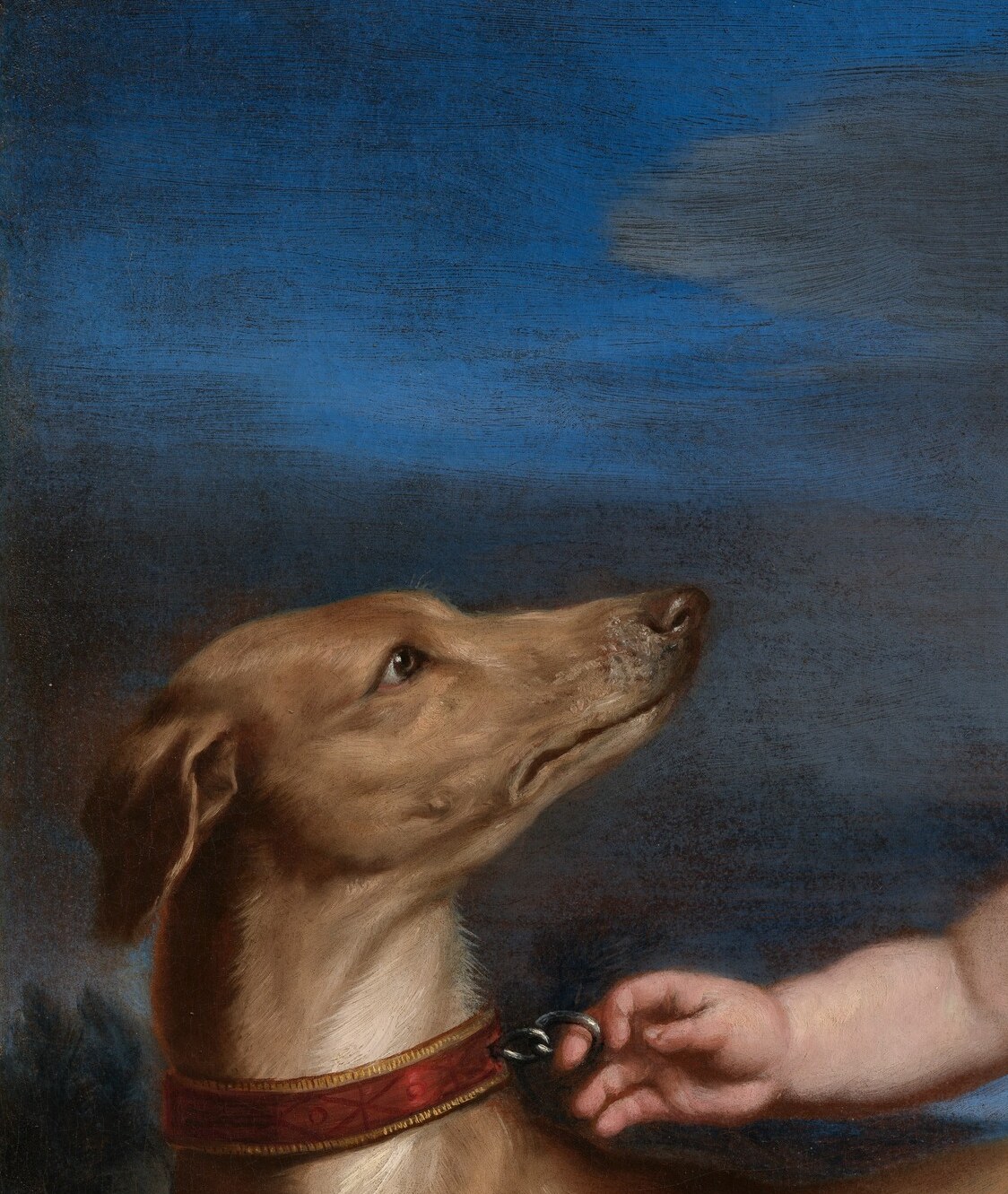
The whole composition is an argument. The putto is not a playful Cupid but a solemn child of faithful love. His hand gestures back toward the painter who made him. And in the upper left, a greyhound wears a red collar, a centuries-old emblem of loyalty. Every detail insists on the same word: fidelity.
That word mattered intensely in 1655. Guercino's rivals in Bologna had spent years questioning his character and his artistic allegiances. A self-portrait was never just a self-portrait for a Baroque painter, it was a public statement. By embedding himself beside Faithful Love and a loyal hound, he answered the gossip without ever speaking a word.
He died eleven years later, having outlasted the critics. The painting remains: a man who knew exactly what they said, and chose to let paint do the talking.
Details
Transcript
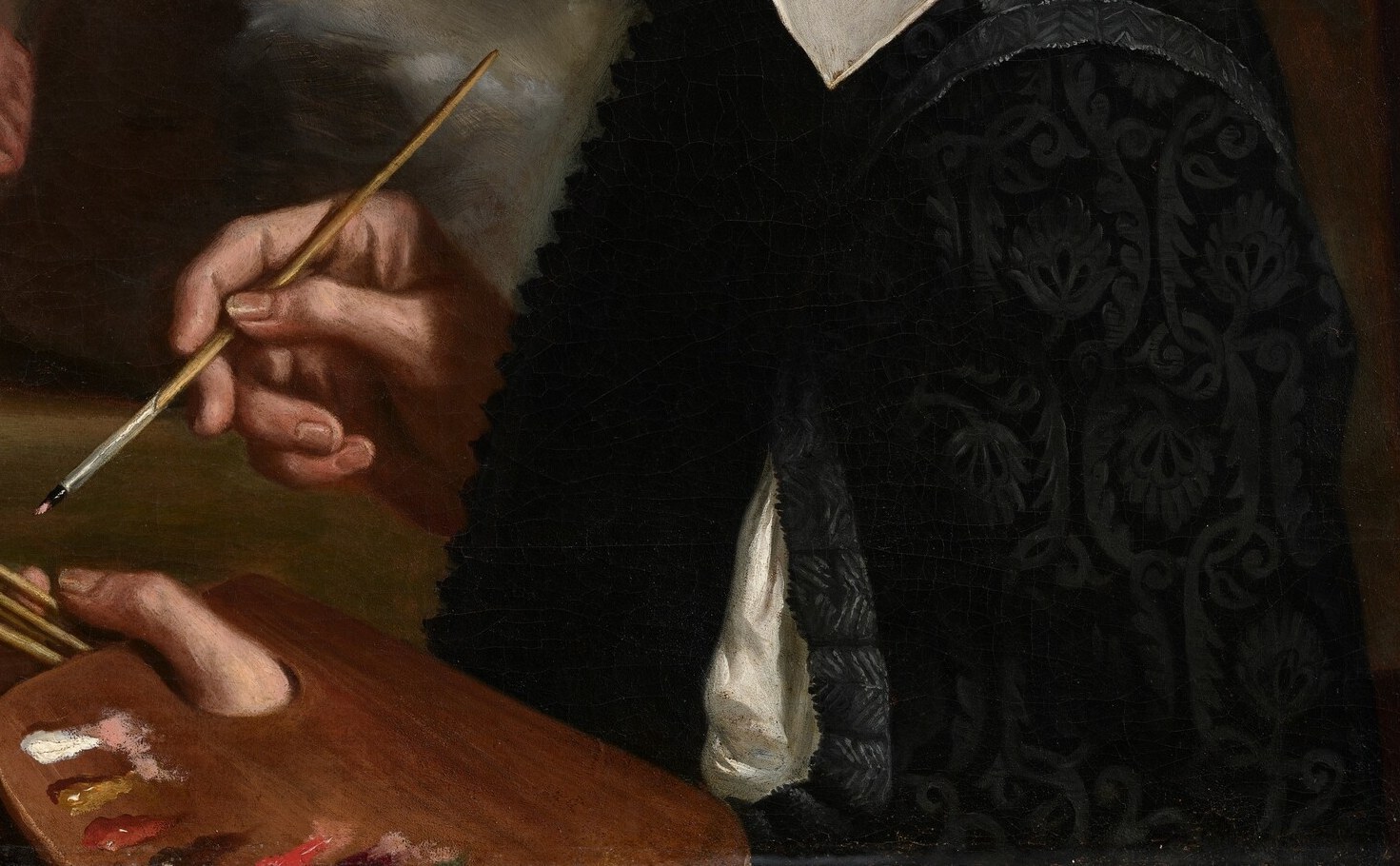
In 1655, the painter Guercino stood before his own canvas. He looks straight at us. No artist does this by accident. In his hands: the palette. He is showing you who he is. The painting inside the painting is a putto named Faithful Love. And his greyhound? A Renaissance symbol of fidelity. He painted this the year his rivals called him disloyal. This canvas is his answer. Silent, permanent, and direct.