Self-Portrait by George Romney
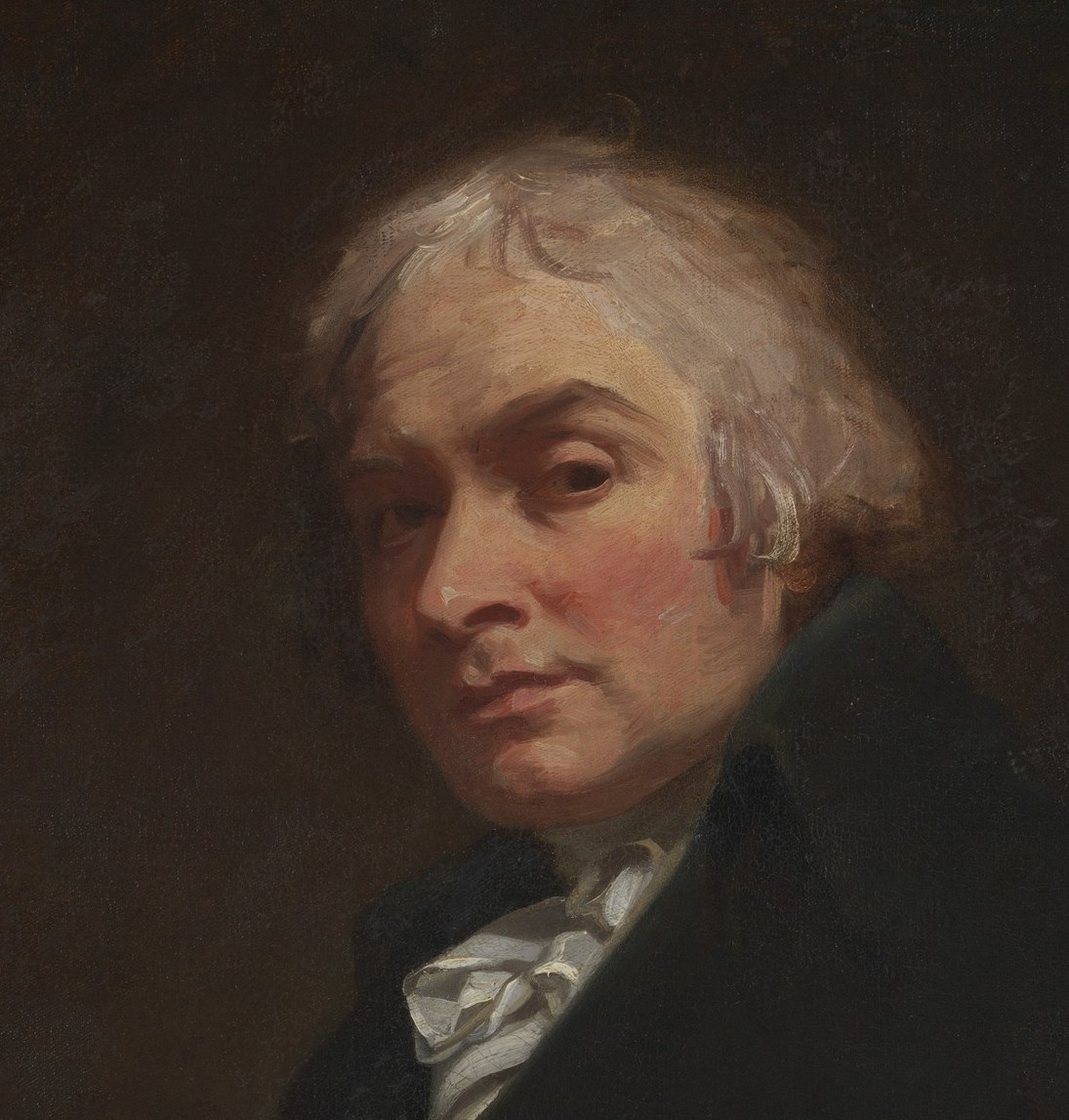
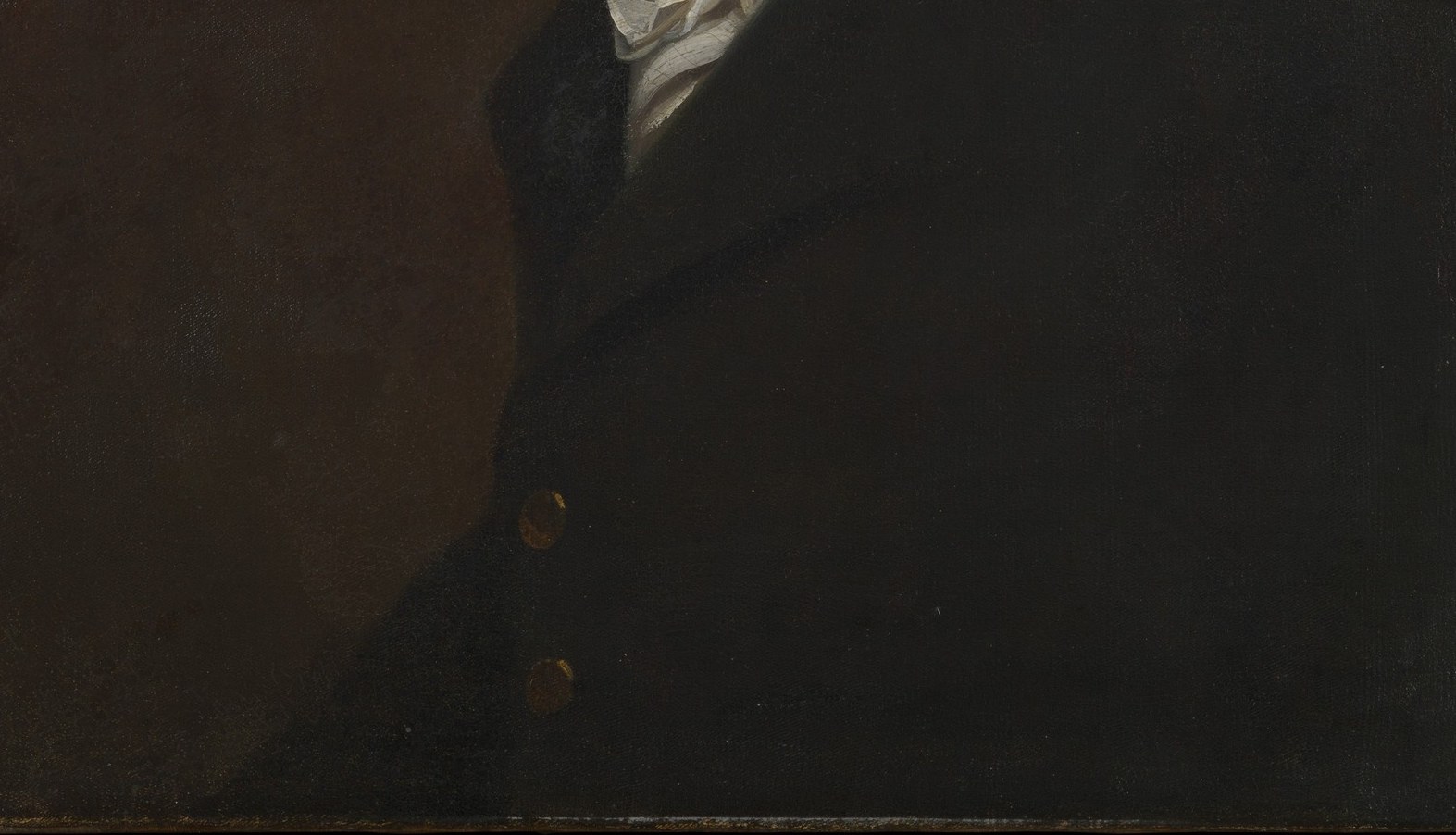
This is George Romney's Self-Portrait, painted around 1795 and now held at the National Portrait Gallery in London. The single most startling fact about it is that Romney himself demanded it be destroyed. Late in life, racked with illness and convinced his work was worthless, he ordered his family to burn his self-portraits. They refused. This canvas survived because someone disobeyed him.
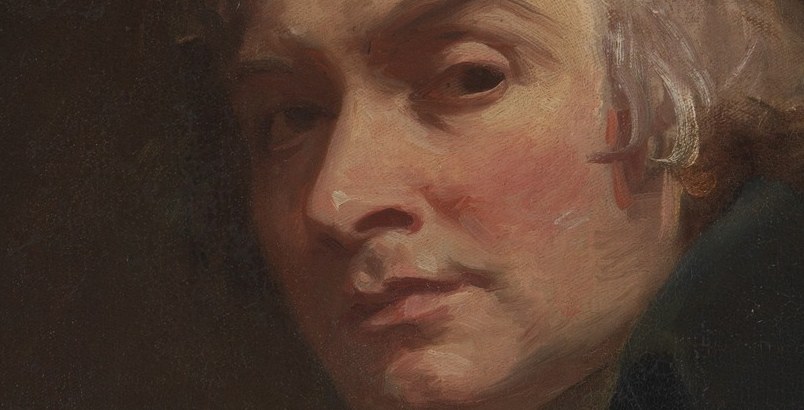
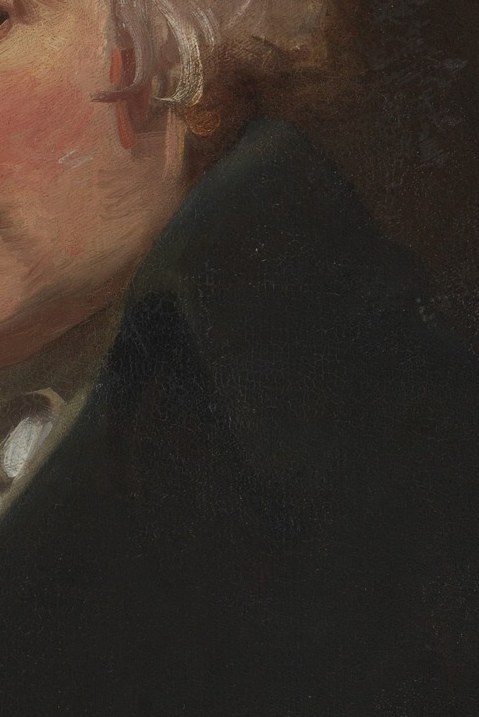
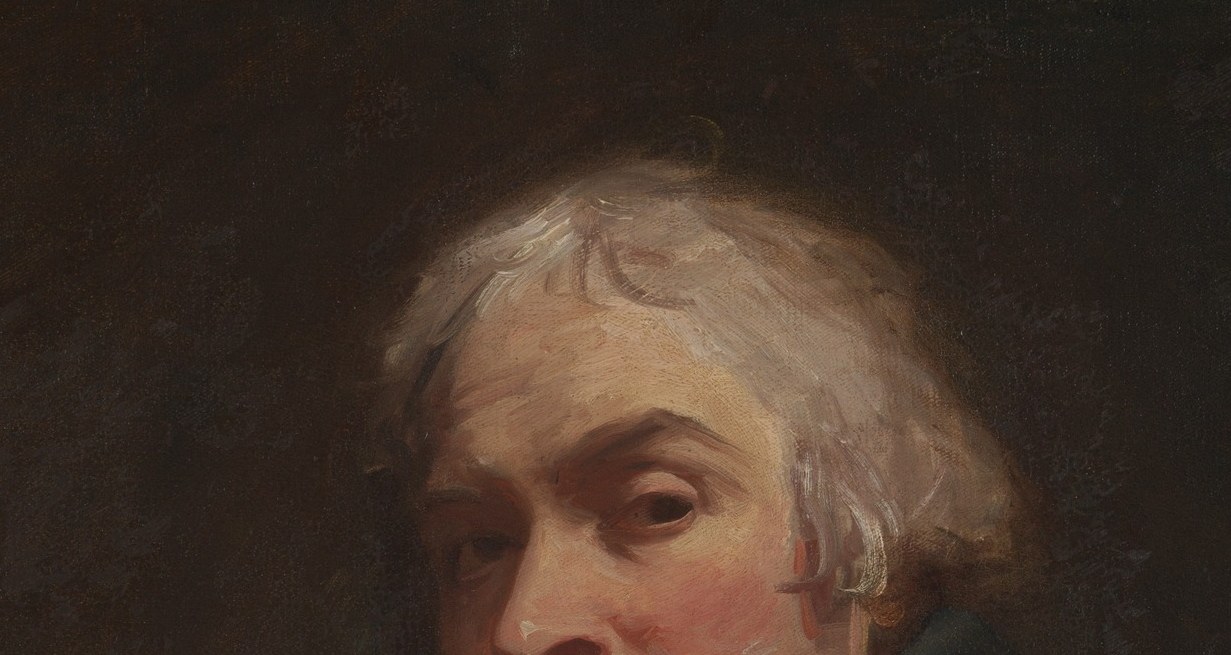
Look at the face he wanted erased. His eyes are cast downward, avoiding the viewer entirely, a radical break from the confident, direct gaze of his commissioned portraits. The right side of his face dissolves into deep shadow, a chiaroscuro choice that links him to Rembrandt rather than to the polished neoclassicism of his era. His white hair is unpowdered, his cravat loose. Every choice signals a man presenting himself without the armor of fashion.
Romney was the most successful portrait painter in England during the 1780s, famous for his depictions of society figures and his muse Emma Hamilton. He painted the rich and powerful with elegance and flattery. This self-portrait, made in his sixties as his health declined, offers none of that. It is an unsparing record of a man who spent decades painting faces for money and finally turned the brush on his own, only to recoil from what he saw.
The darkness nearly swallowed it. A family's quiet act of disobedience kept it in the world. What would he make of hundreds of thousands of people now pausing to look into eyes he could not bear to show the public?
Details
Transcript
George Romney was the most sought-after portraitist in England. He painted the most famous faces of the 1780s. But when he turned the brush on himself, he gave us no charm. His eyes drop. He refuses to meet us. He painted this in 1795. Years later, he demanded it be burned. His family refused. That quiet refusal is why you are looking at him now.