Fruit with Blue-footed Bowl by Charles S. Raleigh
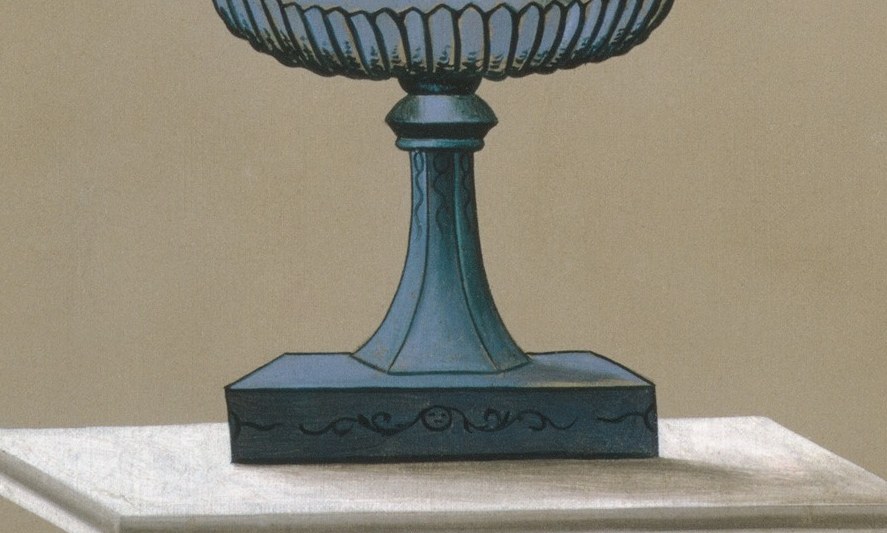
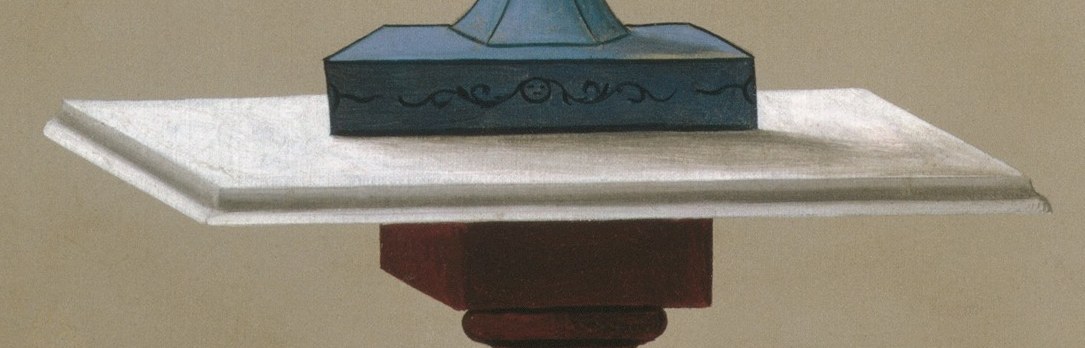
This is Charles S. Raleigh's "Fruit with Blue-footed Bowl," painted in 1893. It lives today at the Isabella Stewart Gardner Museum in Boston, a place famous for a far more notorious loss.
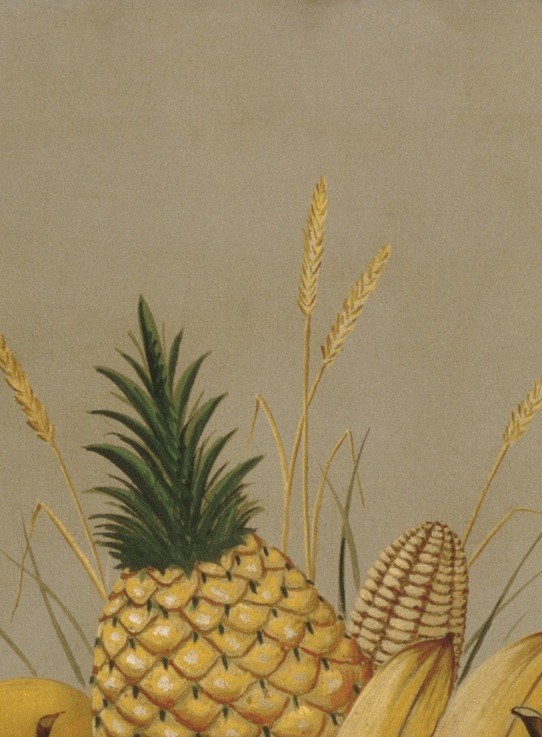
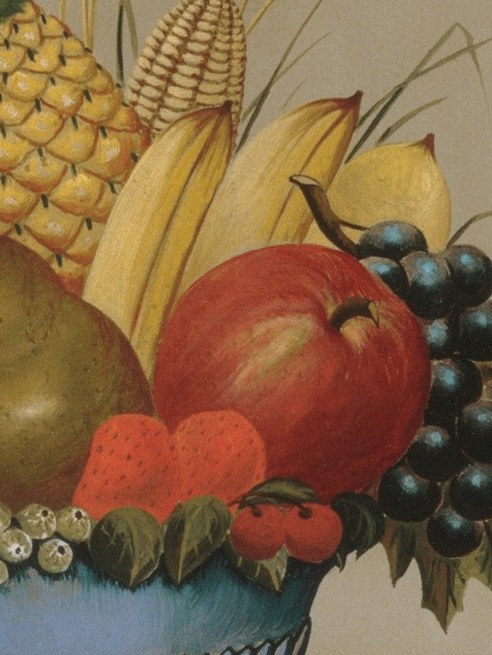
Look at the pineapple at the very top of the mound. In 1890s New England, a pineapple was not just food; it was a deliberate, conspicuous symbol of wealth and welcome. The curved yellow bananas arching across the right side tell the same story of exotic luxury, painstakingly rendered with smooth, lifelike brushstrokes.
In March of 1990, this painting became a footnote in the single largest property theft in American history. During the infamous Gardner Museum heist, thieves cut paintings from their frames. They took this one off the wall too, only to abandon it outside. Guards found it discarded in an alley behind the museum, the frame missing but the canvas mercifully intact.
It is strange to think of this quiet arrangement of apples and grapes as a piece of crime scene evidence. The fruit itself is a moment of stillness and permanence, painted long before the night it was briefly stolen. What do you think the thieves saw when they looked at this?
Details
Transcript
It looks like a perfectly ordinary 19th-century still life. A blue tazza bowl, piled high with late summer fruit. A pineapple at the apex. In 1893 New England, a luxury. In fact, bananas were also genuinely exotic at the time. But on March 18, 1990, someone was not here for the fruit. Thieves broke into a Boston gallery and simply lifted this painting off the wall. They were after bigger names. This was the casualty left in an alley. Charles S. Raleigh signed it here. It was returned home.