Five Beauties by Teisai Hokuba
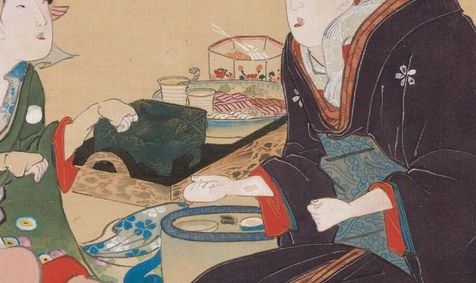
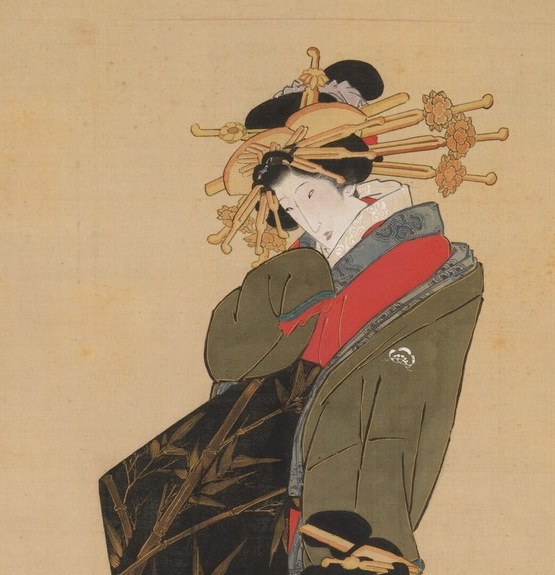
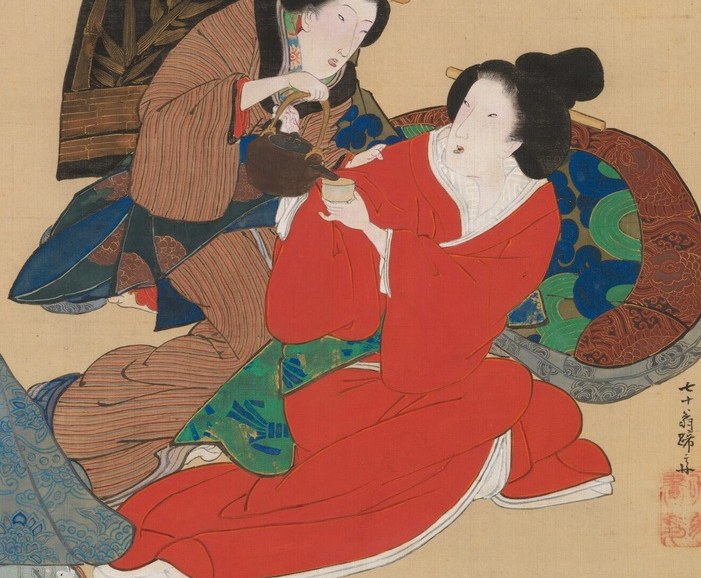
Teisai Hokuba's "Five Beauties," painted in 1840, offers a serene glimpse into 19th-century Japanese social life. This exquisite artwork, part of The Metropolitan Museum of Art's collection, captures five elegantly dressed women engaged in a moment of quiet camaraderie, likely a tea ceremony or a game.
Notice the intricate details of their kimonos, reflecting the fashion and textile artistry of the period. The tea set at the center anchors the scene, symbolizing the importance of hospitality and shared rituals in Japanese culture. Each woman's pose and subtle expression conveys a sense of peaceful focus.
Hokuba, a Japanese artist active from 1771 to 1844, was renowned for his ukiyo-e prints and paintings that often depicted beautiful women and scenes of daily life. His work provides valuable insight into the customs and aesthetics of his time. This painting beautifully exemplifies his skill in capturing grace and elegance.
What details in their kimonos catch your eye the most?
Details
Transcript
This painting from 1840 shows five women at a social gathering. Tea sets like this one were central to hospitality rituals. The women's elaborate kimonos showcase the fashion of the era. The artist, Teisai Hokuba, was known for his elegant portrayals. Each woman’s pose suggests deep engagement in the moment. Their expressions convey a sense of calm and shared enjoyment.