Amy Taylor Dickson (Mrs. John Dickson) by Neagle, John
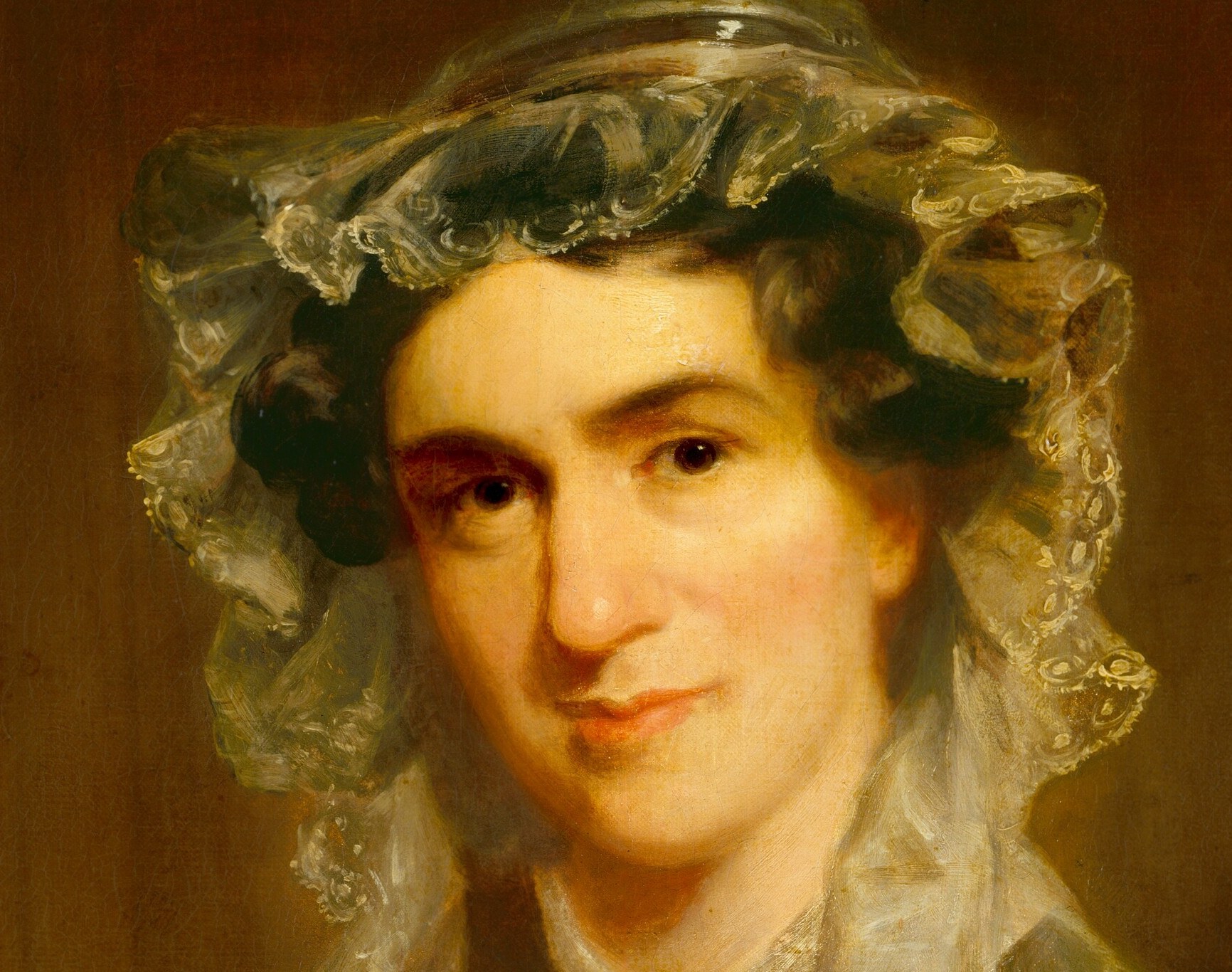
Painted around 1835, John Neagle's portrait of Amy Taylor Dickson (Mrs. John Dickson), housed in a private collection, offers a fascinating glimpse into the visual language of 19th-century American society.
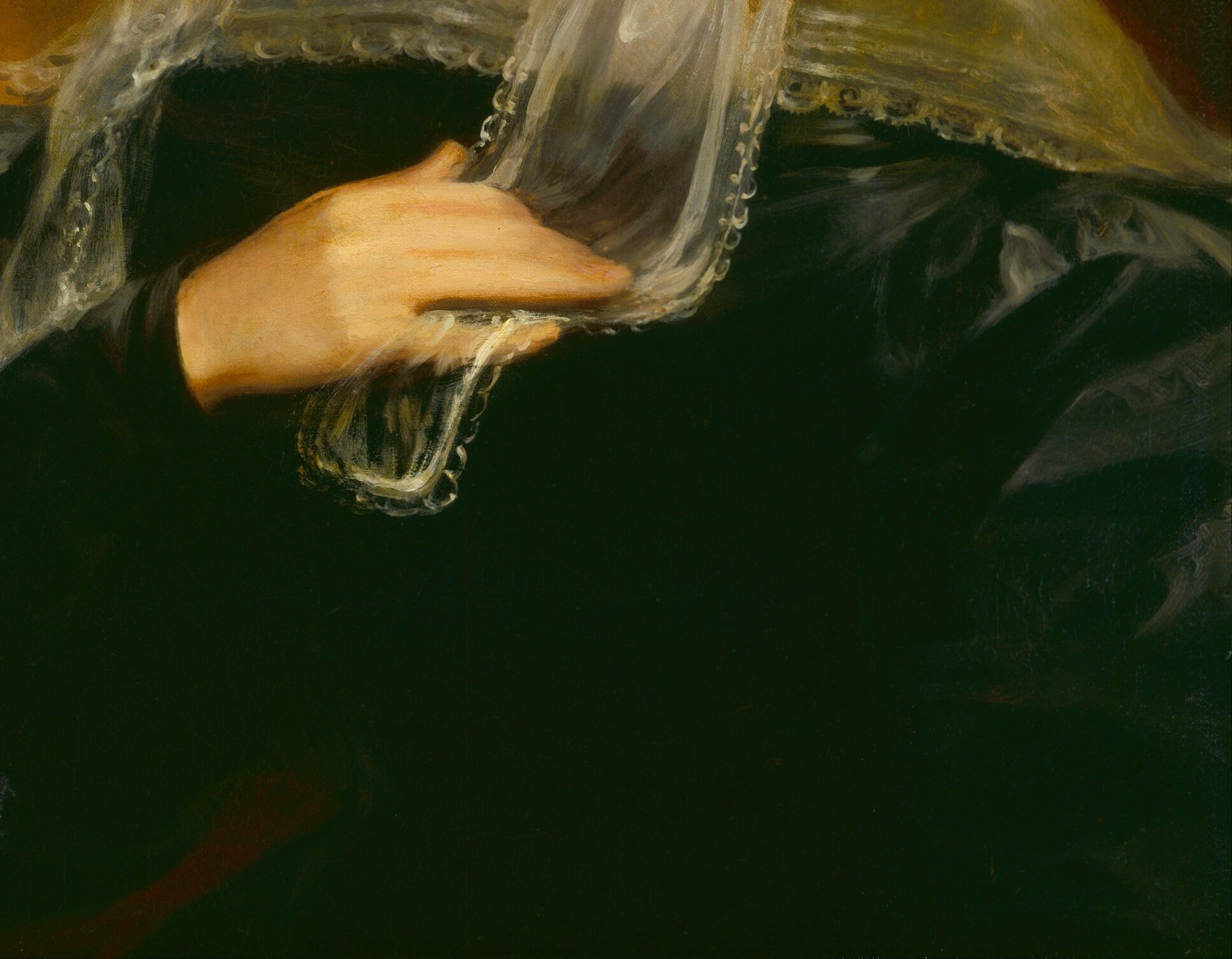
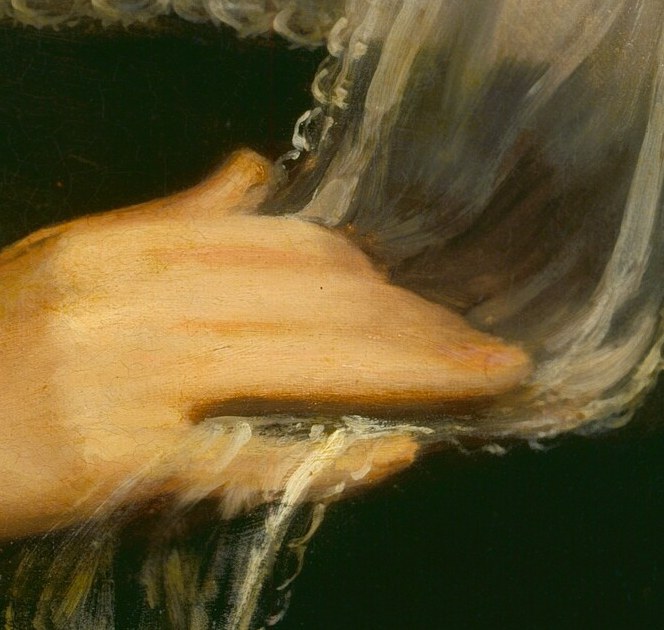
Observe the deliberate choices made by the artist. Her dark dress and delicate lace bonnet were not merely fashion statements; they were visual cues, signaling modesty and social standing. The placement of her hand over her chest reinforces this message, embodying the virtue and propriety expected of married women of the era.
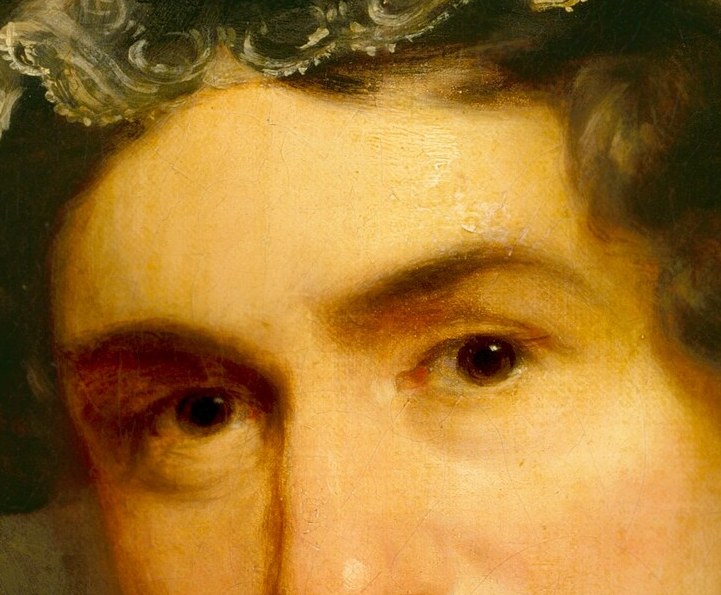
Neagle, a noted portraitist, used a restrained palette and controlled brushwork, characteristic of academic portraiture, to emphasize these aspects. The painting thus becomes more than a likeness; it's a careful construction of identity, reflecting societal values through attire and pose.
What other subtle messages do you think portraits from this period might hold?
Details

Transcript
This portrait of Amy Taylor Dickson was painted around 1835. Her black dress and white bonnet convey a sense of propriety. This was the expected attire for married women of her social standing. Her right hand, placed on her chest, indicates modesty. This pose was a common visual cue for virtue in portraits. Together, these details depict a virtuous and stable married woman.