Dish of Apples by Paul Cézanne
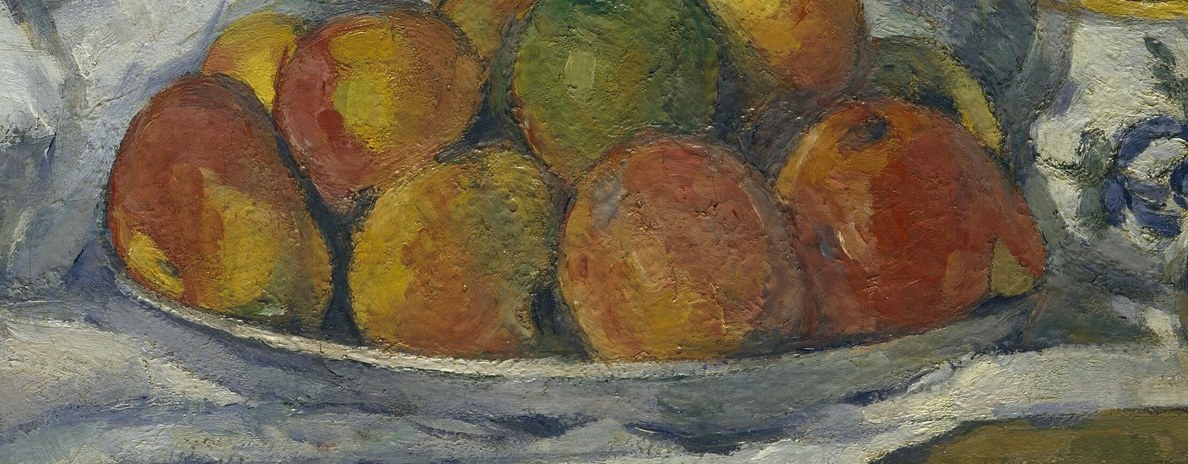
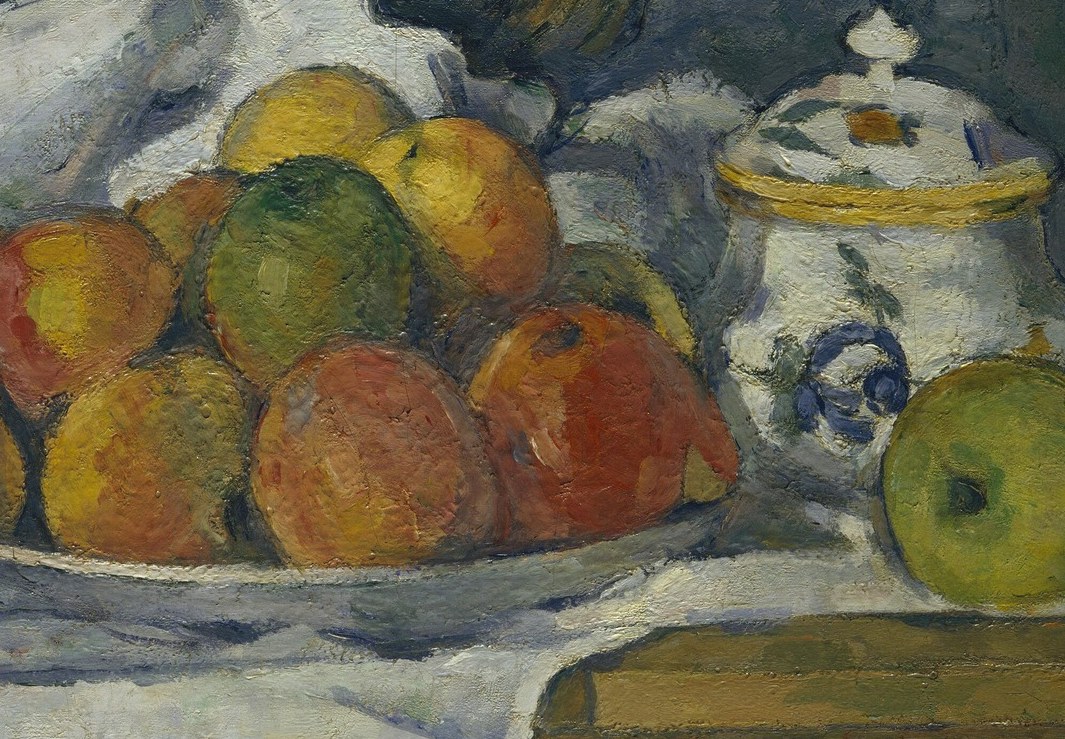
Paul Cézanne's *Dish of Apples*, painted around 1888, is a pivotal work in the history of modern art, now at The Metropolitan Museum of Art. This still life showcases Cézanne's revolutionary approach to painting, which transformed everyday objects into subjects for rigorous visual analysis.
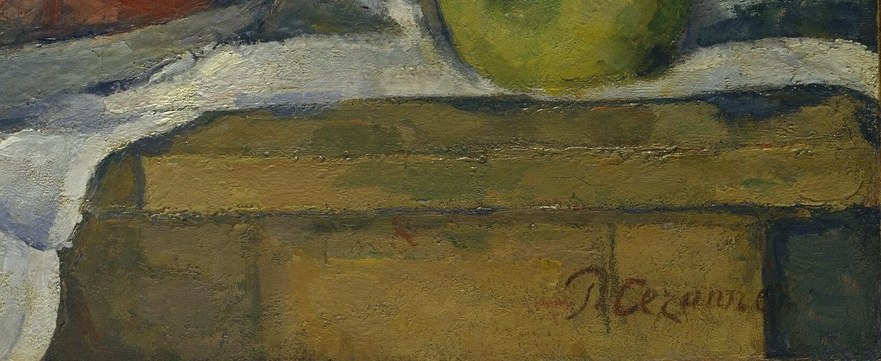
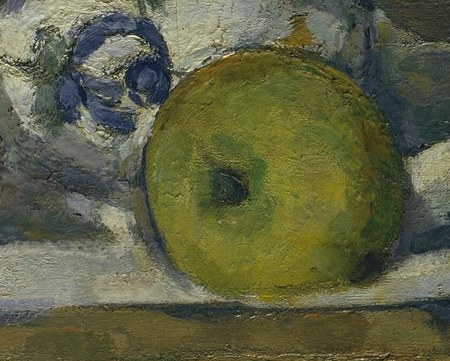
Look closely at the arrangement of apples and the crumpled white cloth. Cézanne wasn't interested in photographic realism; instead, he explored the underlying geometric shapes and the interplay of light and color through visible, repetitive brushstrokes. Notice the subtle distortions in the table's lines, a deliberate challenge to traditional perspective that gives the painting a dynamic, almost unstable quality.
Cézanne's work forms a crucial bridge between 19th-century Impressionism and 20th-century Cubism, profoundly influencing artists like Picasso and Braque. He spent years meticulously studying subjects like these apples, striving to capture a sense of perceptual depth and solidity that went beyond fleeting impressions.
What do you notice first about the way Cézanne painted these familiar fruits?
Details
Transcript
In the late 1880s, still lifes became a testing ground for artists. This painter used everyday apples to explore new ideas of form. Notice how the white cloth creates volume and depth. The lines of the table are subtly skewed, challenging perspective. He moved beyond realism, influencing Cubism and modern art. His distinctive brushstrokes build up forms and colors.