Vegetable market by Nicolaes Maes
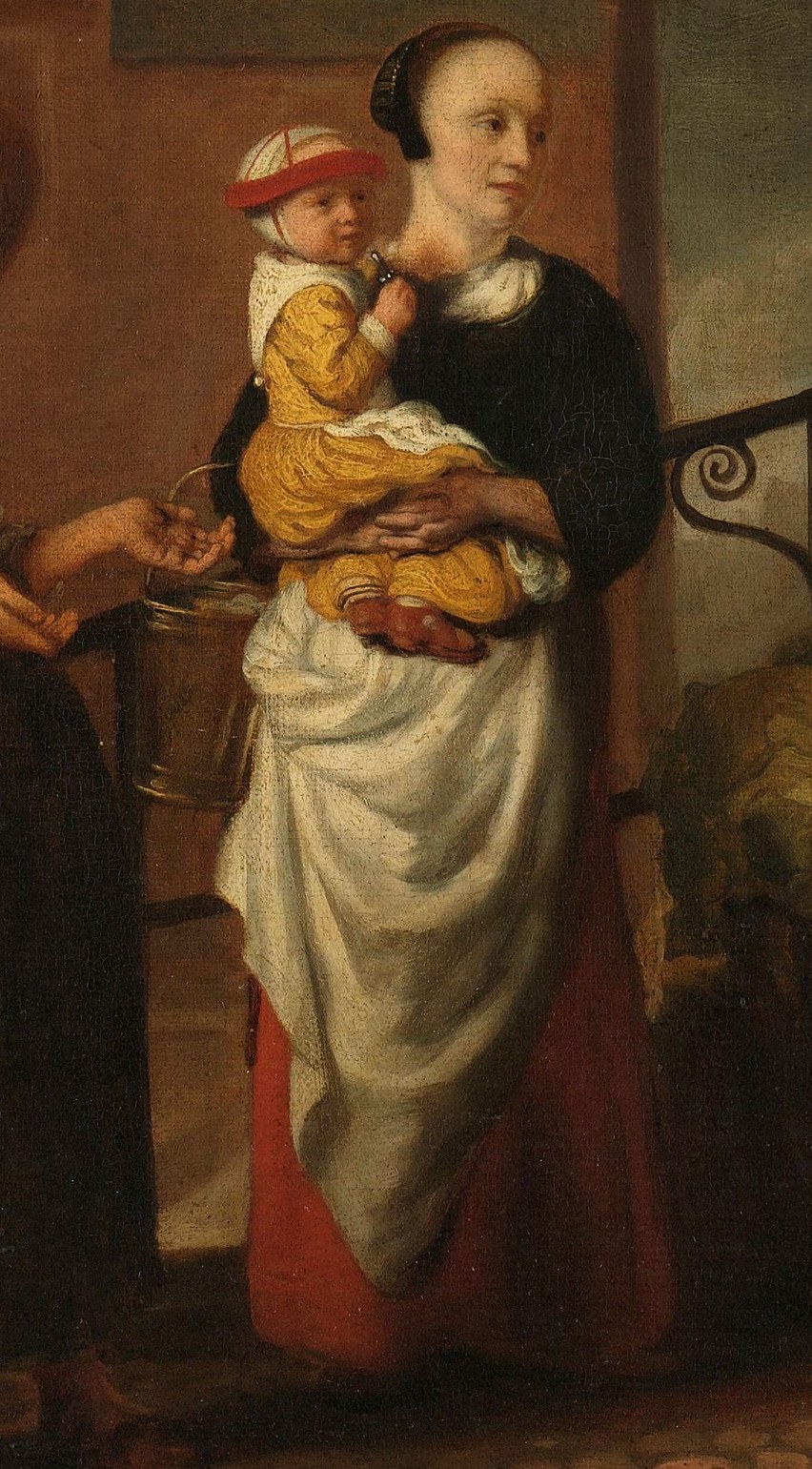
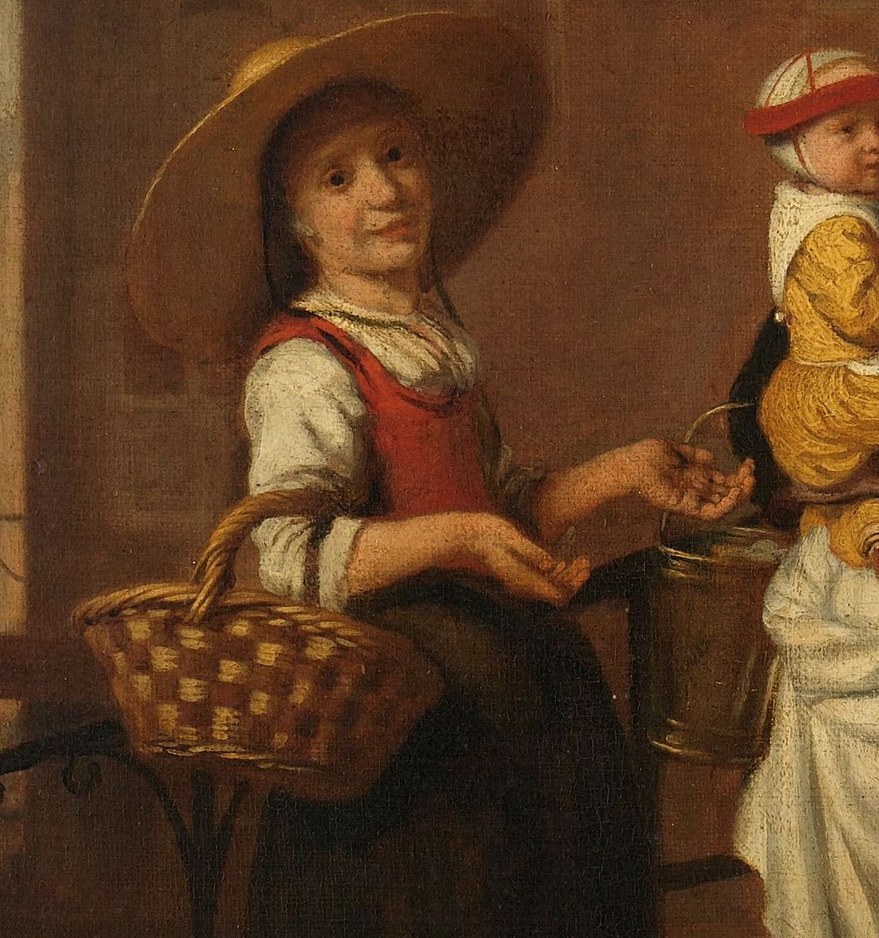
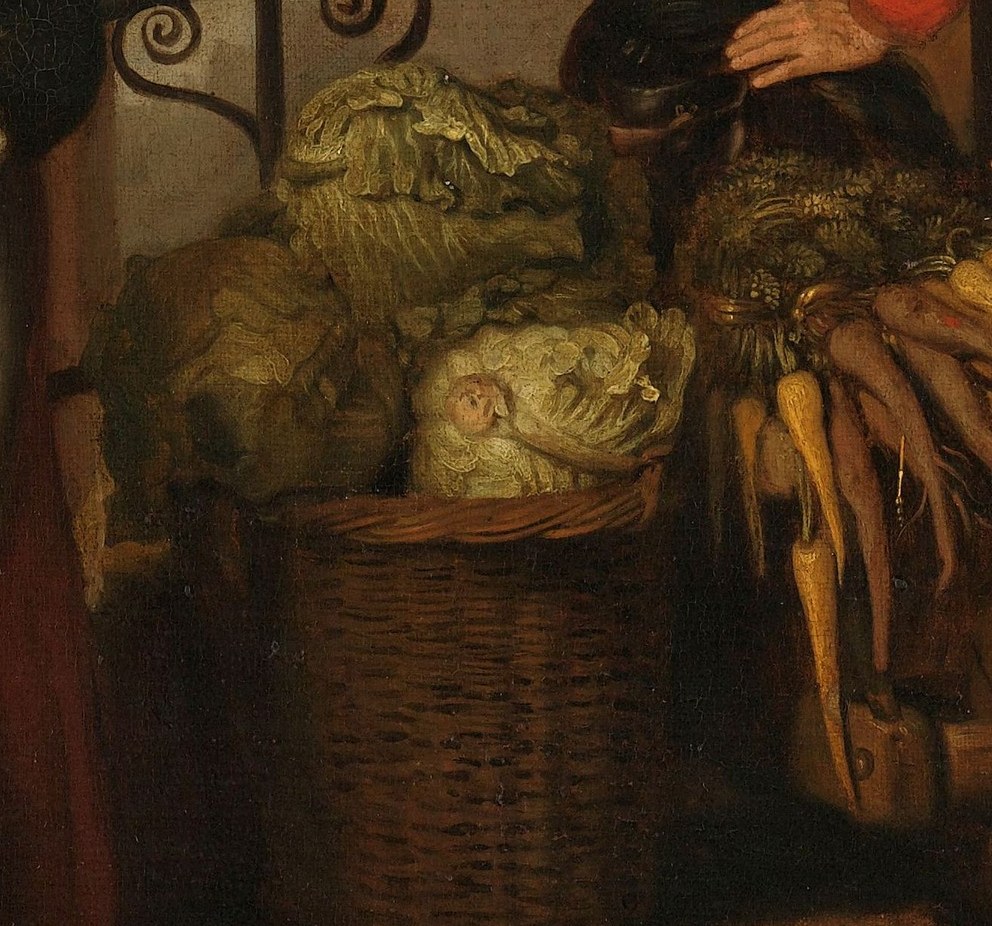
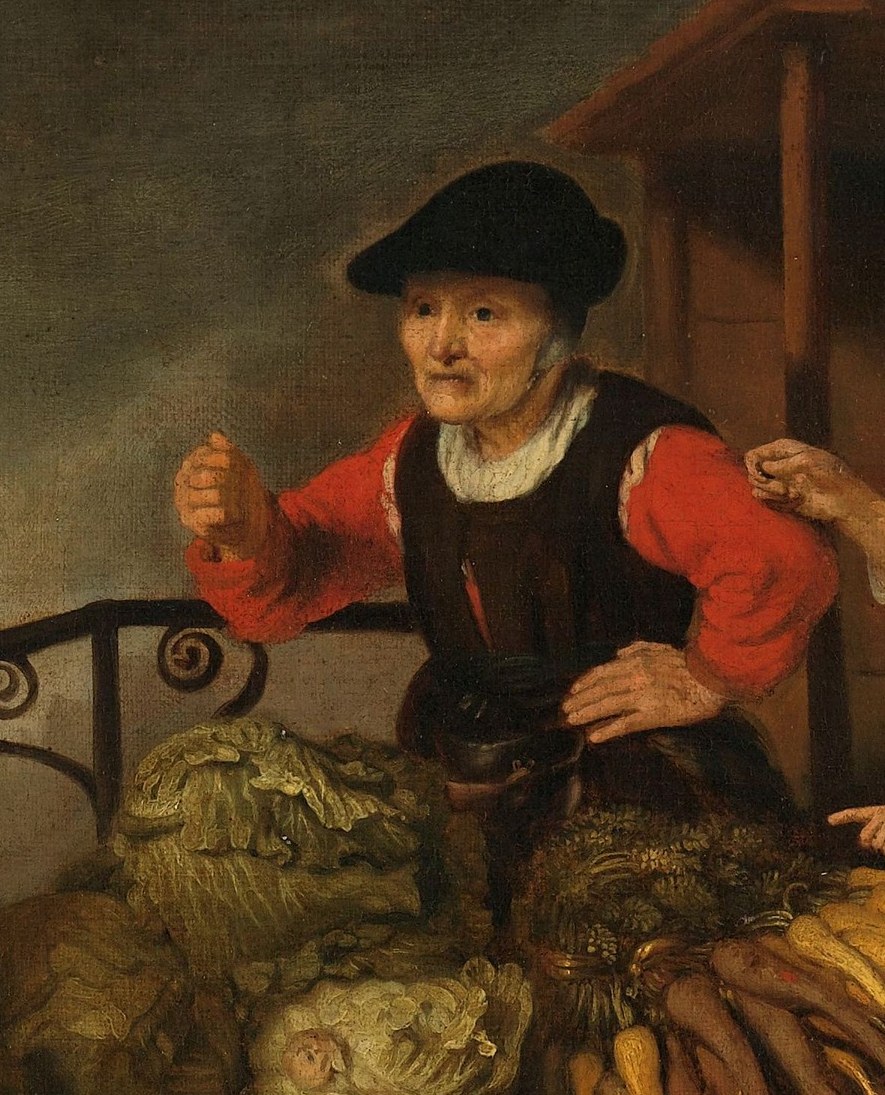
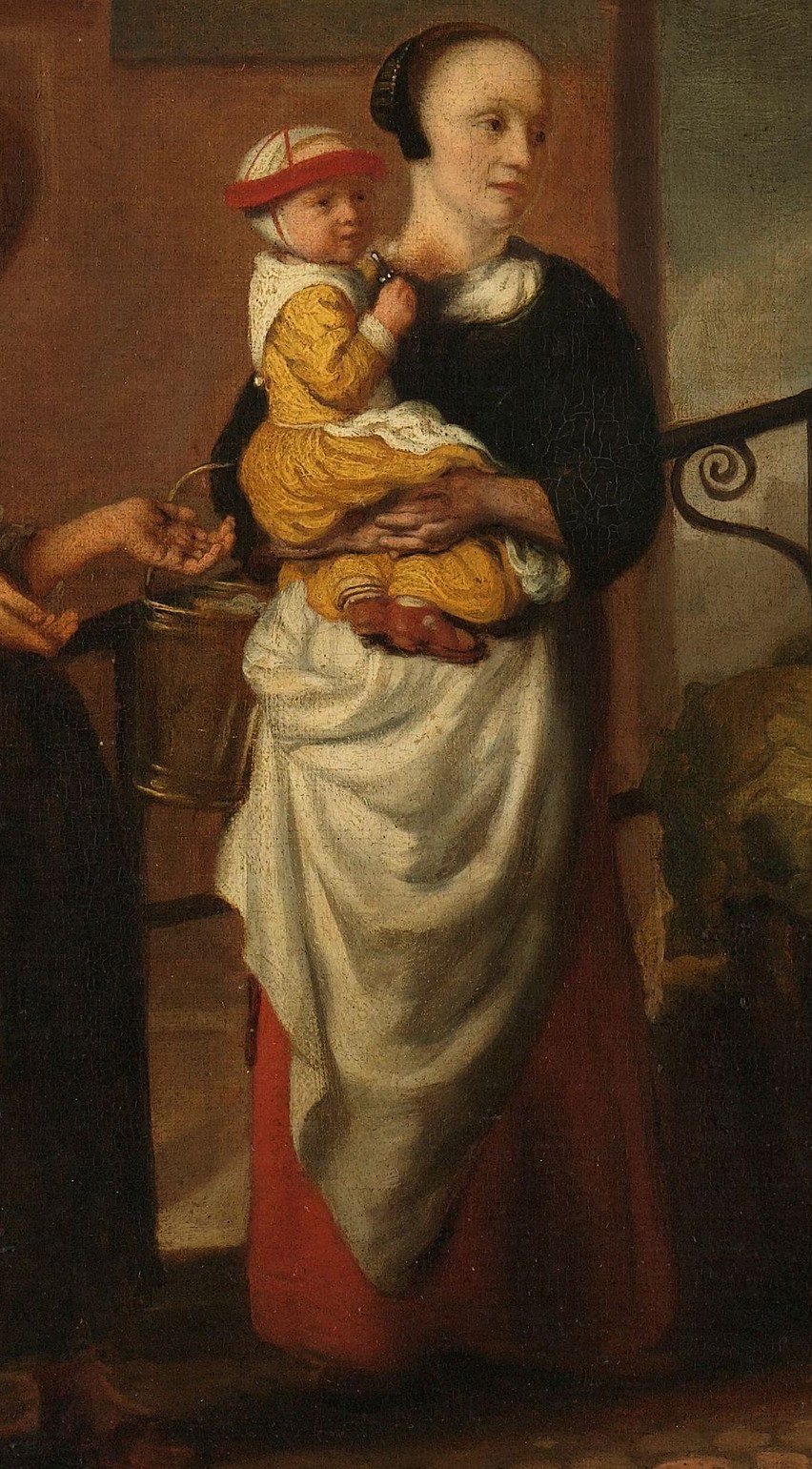
In Nicolaes Maes's "Vegetable Market" from 1660, the artist's remarkable ability to render different textures is on full display. A student of Rembrandt, Maes masterfully captures the tactile qualities of satin, linen, straw, and various vegetables.
Notice the rich sheen on the woman's red bodice, the soft, folded fabric of her white apron, and the rough, woven texture of the child's straw hat. Each element feels distinct and real.
This painting is a testament to Maes's skill in transforming oil paint into lifelike surfaces. Created during the Dutch Golden Age, it reflects the period's appreciation for realistic depictions of everyday life and the artist's keen eye for detail.
The Rijksmuseum in Amsterdam holds this fascinating work, showcasing how Maes brought the bustling market to life through his brush. Which texture do you find most convincing?
Details
Transcript
This painter was a student of Rembrandt. He learned to capture the feeling of textures. See how light lands on her red satin bodice. Now look at the crisp white of her apron. And the rough weave of this straw hat. Every vegetable has its own distinct surface. His brush made paint feel like the real thing.