Karl XI (1665-1697), king of Sweden by David Klöcker Ehrenstrahl
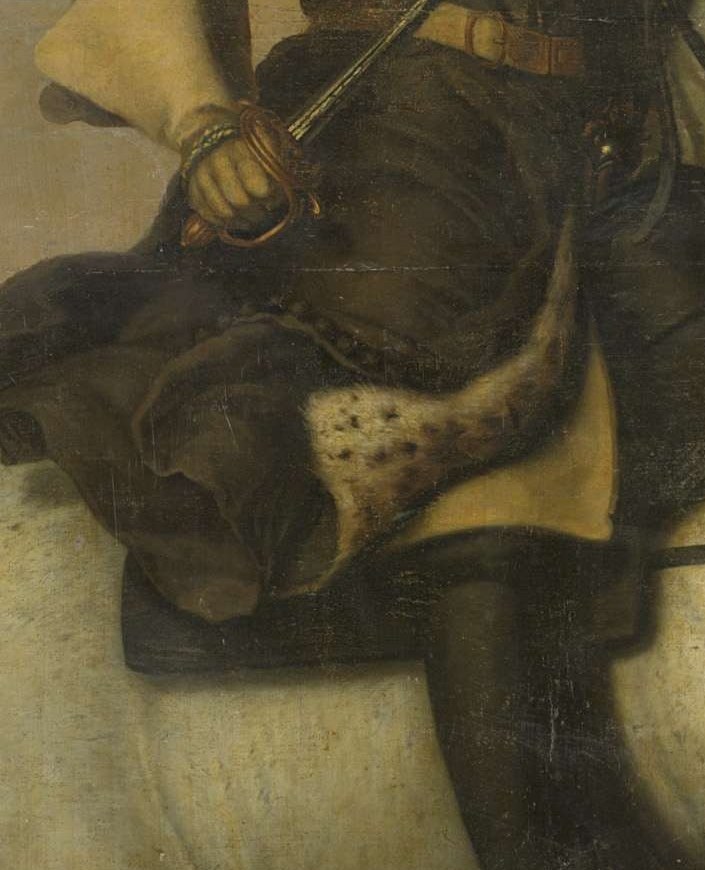
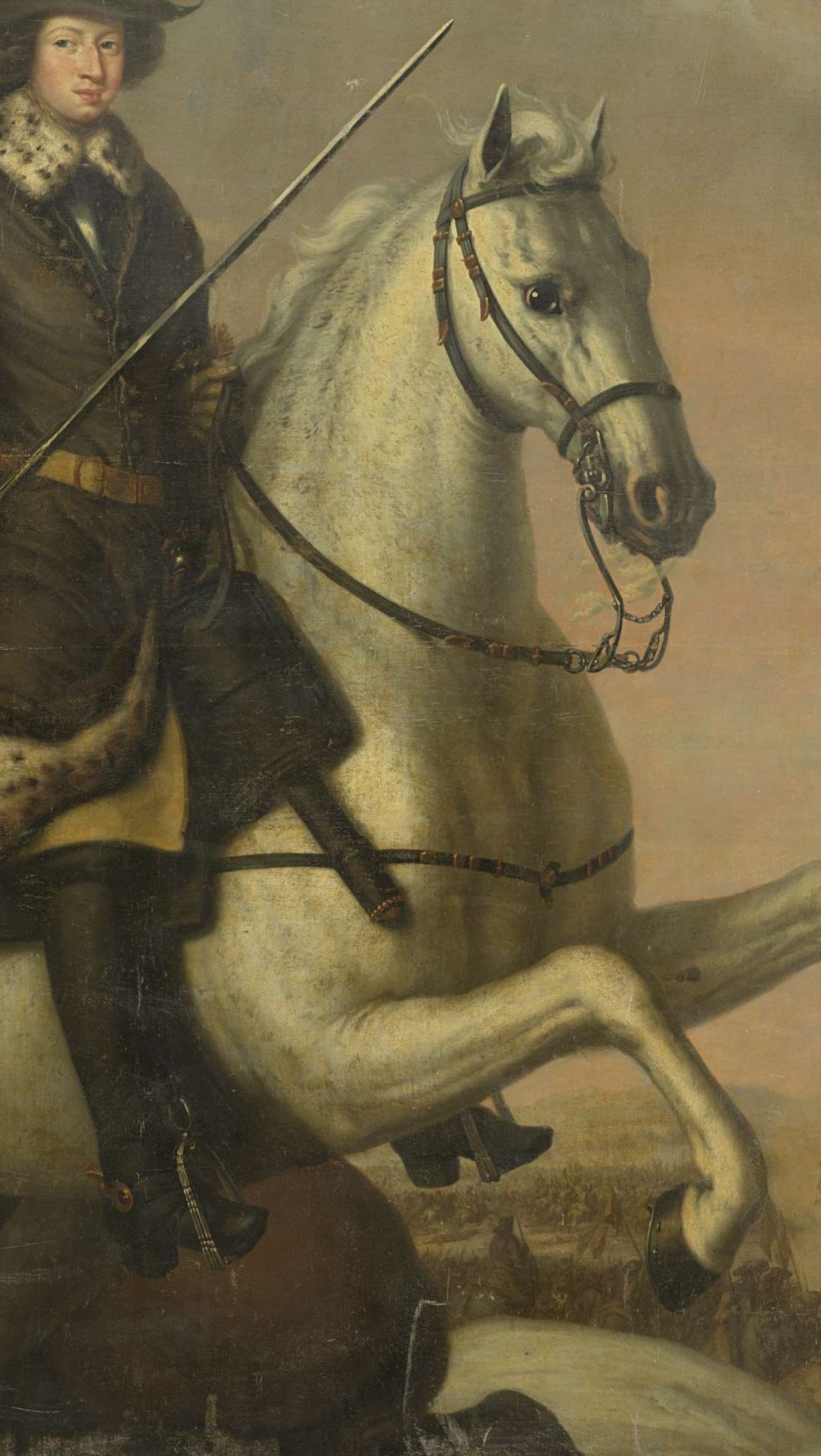
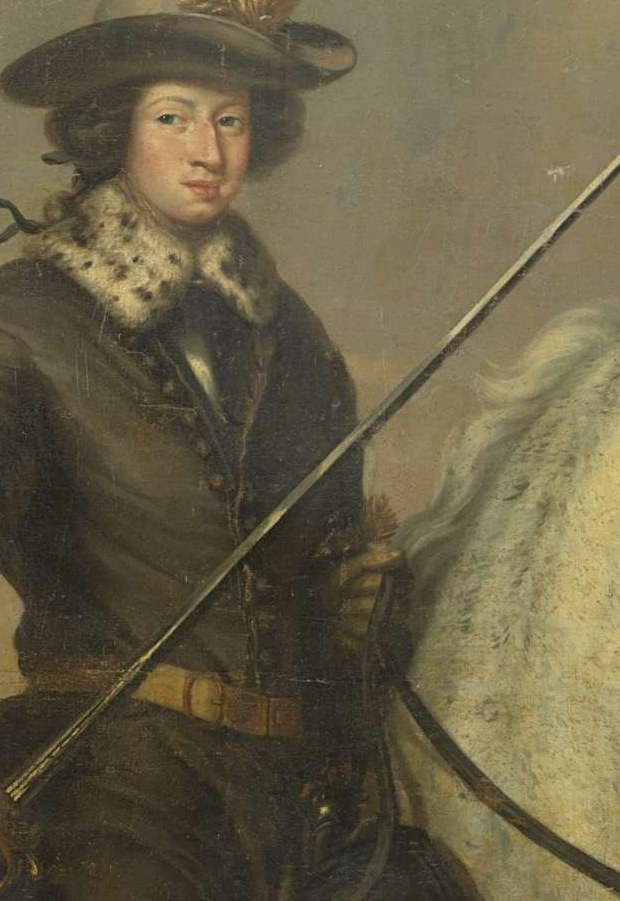
Karl XI, King of Sweden was painted by David Klöcker Ehrenstrahl in 1694. A German artist who became court painter to the Swedish monarchy, Ehrenstrahl produced this equestrian portrait to celebrate the king's military successes. The work now hangs at the Rijksmuseum in Amsterdam.
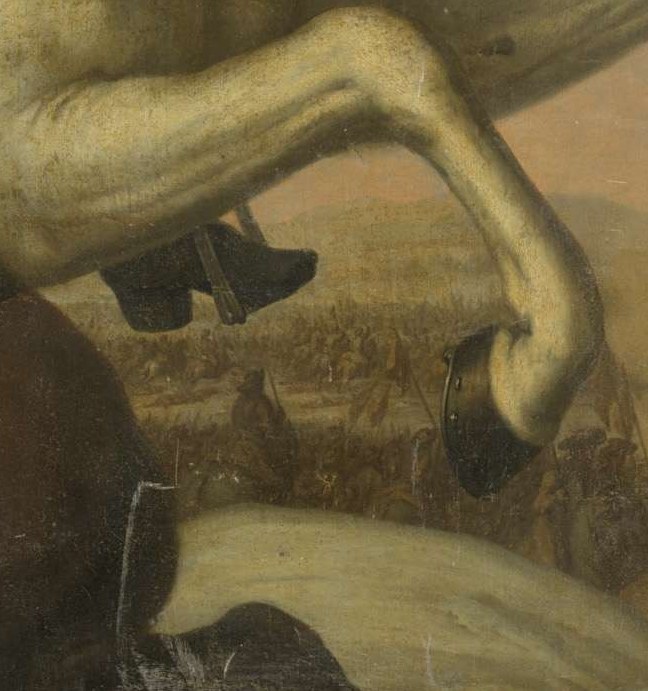
Look at the contrast between the king's calm face and everything around him. Ehrenstrahl used strong chiaroscuro to pull Charles XI forward in light while the storm-darkened sky and marching soldiers recede into shadow. The tattered flag and the rearing white horse are deliberate choices, every element was arranged to project command.
Charles XI seized absolute power in Sweden in 1680 and spent his reign rebuilding the military after years of war with Denmark and its allies. By the time this portrait was finished, Sweden was among the dominant powers of northern Europe. The empire would not outlast his son.
The painting did. A German artist, a Swedish king, a Dutch museum, what does it mean for a portrait to outlive the kingdom it was made to glorify?
Details
Transcript
1694. Swedish power stretched across northern Europe. The king's face is still. Around him, a storm. Beside him: a battle flag in tatters. This was painted to celebrate a military record. The hooves hang just above the snow. A German painted him. A Dutch museum keeps him.