Boatman among the Reeds by Jean Baptiste Camille Corot
Boatman among the Reeds, painted by Camille Corot in 1865, lives at The Metropolitan Museum of Art. It is a quiet masterclass in what happens when a painter stops trying to build a grand composition and instead stands in a river and looks.
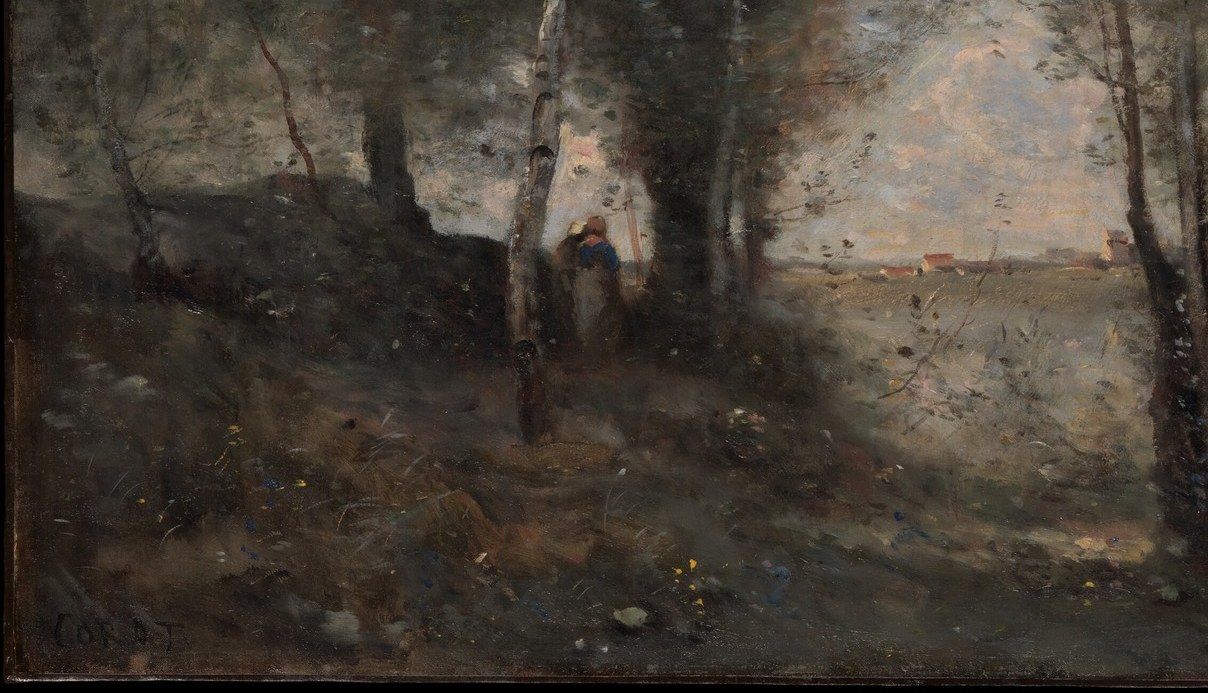
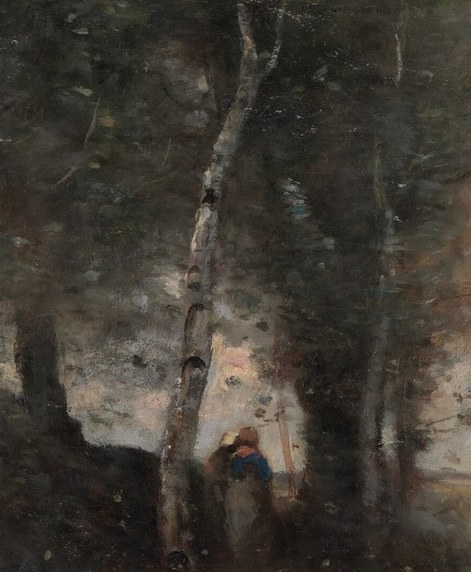
The first thing to find is the boatman in the white shirt. He is nearly swallowed by the tall reeds on the left. Corot gives him no heroic pose and no dramatic light. He is just there, sharing the water with the trees. Once you spot him, find the second figure, a small seated form on the far right bank. Two people, a wide sky, and silence.
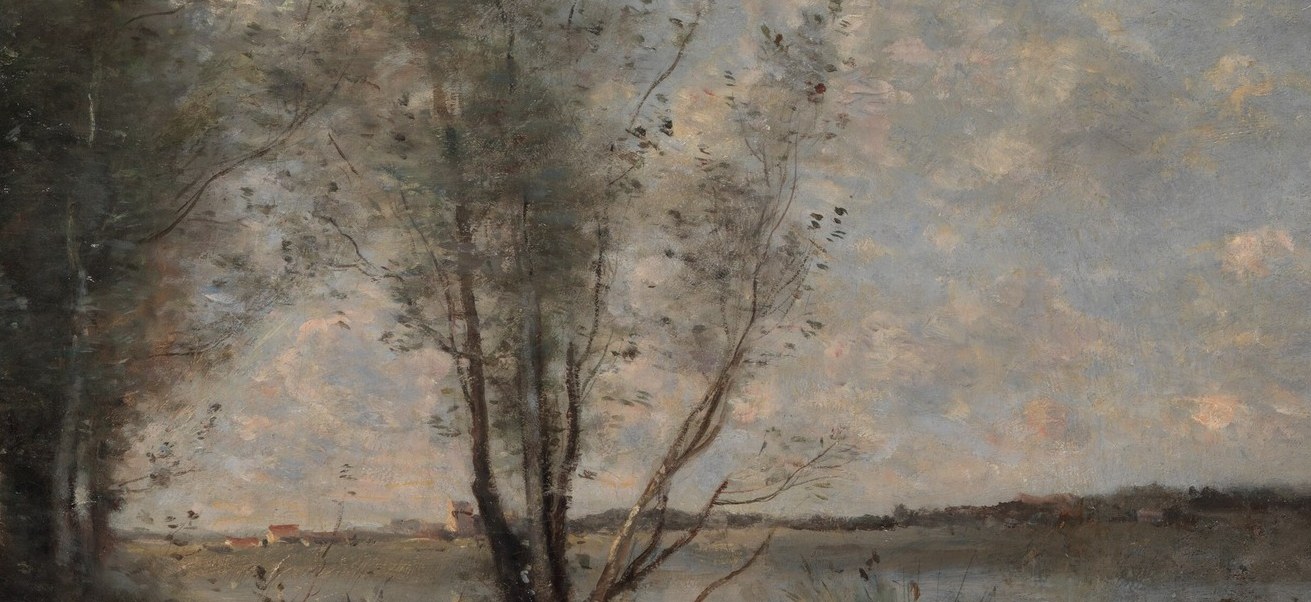
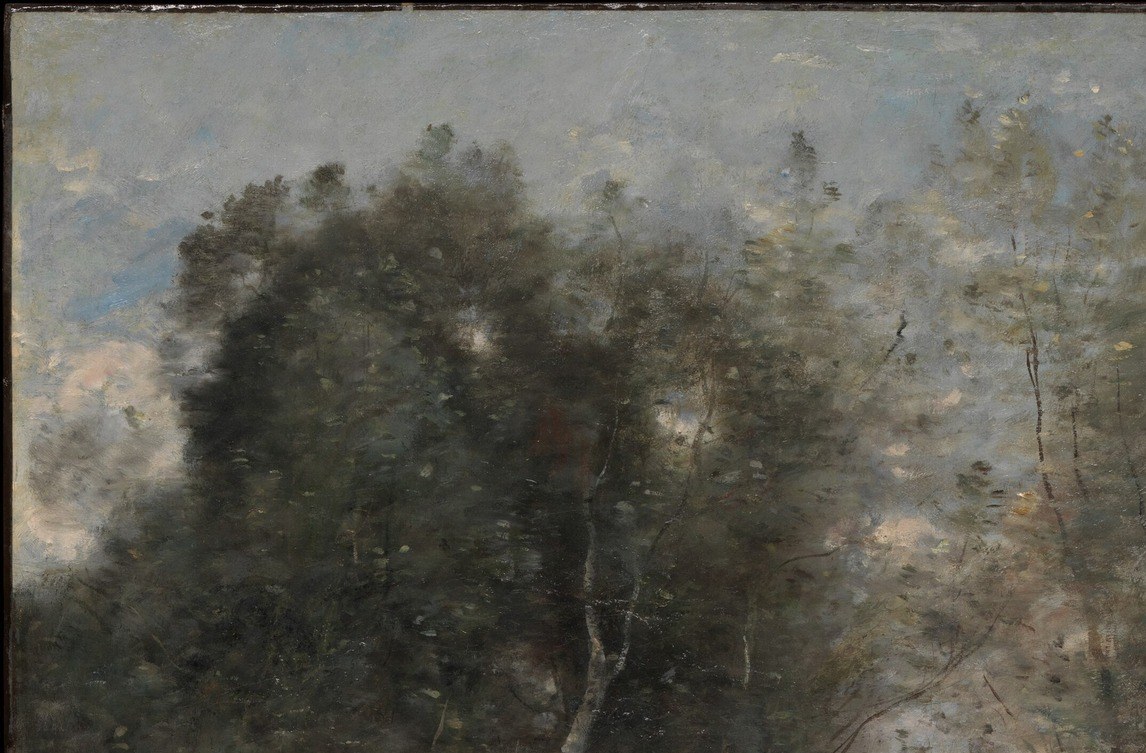
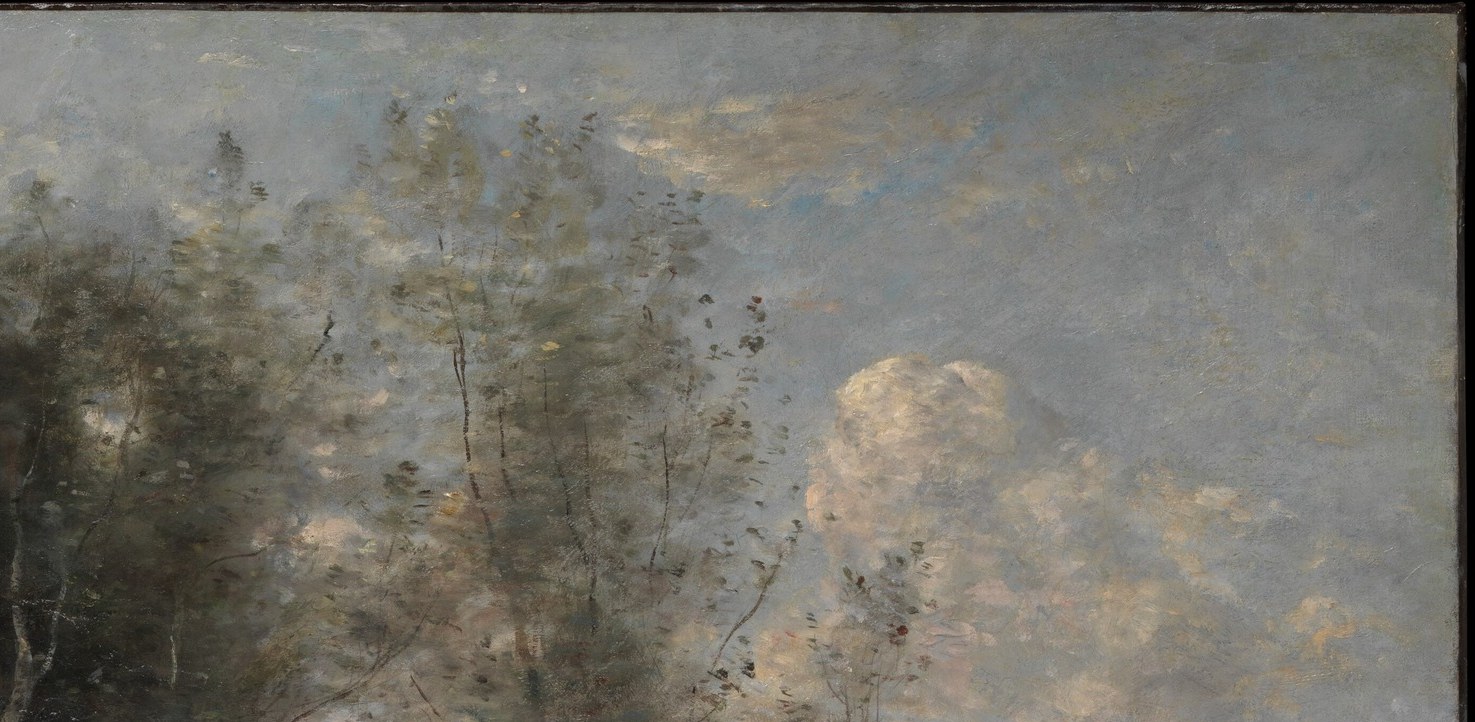
Corot was 69 when he painted this. He had been working outdoors for decades, long before the Impressionists made plein-air painting famous. His technique here is the famous "Corot feathering": loose, comma-shaped strokes of silvery-green that turn leaves into atmosphere. The sky glows through the canopy, and the water holds the light perfectly still.
This painting was not a commission. It was not made for the Salon. It was a day's work by an old man who knew exactly what he wanted to see. He gave the Impressionists a language for light and air, and he did it with a boatman in a marsh.
Details
Transcript
Nature almost hides the human here. Look into the shadowed reeds. A boatman in a white shirt, nearly absorbed by the marsh. The painting cost nothing to make. It was just a day outside Paris. Corot painted it at 69. He was still standing in rivers. This silvery haze is the 'Corot feathering', loose commas of grey-green. His brushwork taught the Impressionists how to paint air.