Robert Walsh by Sully, Thomas
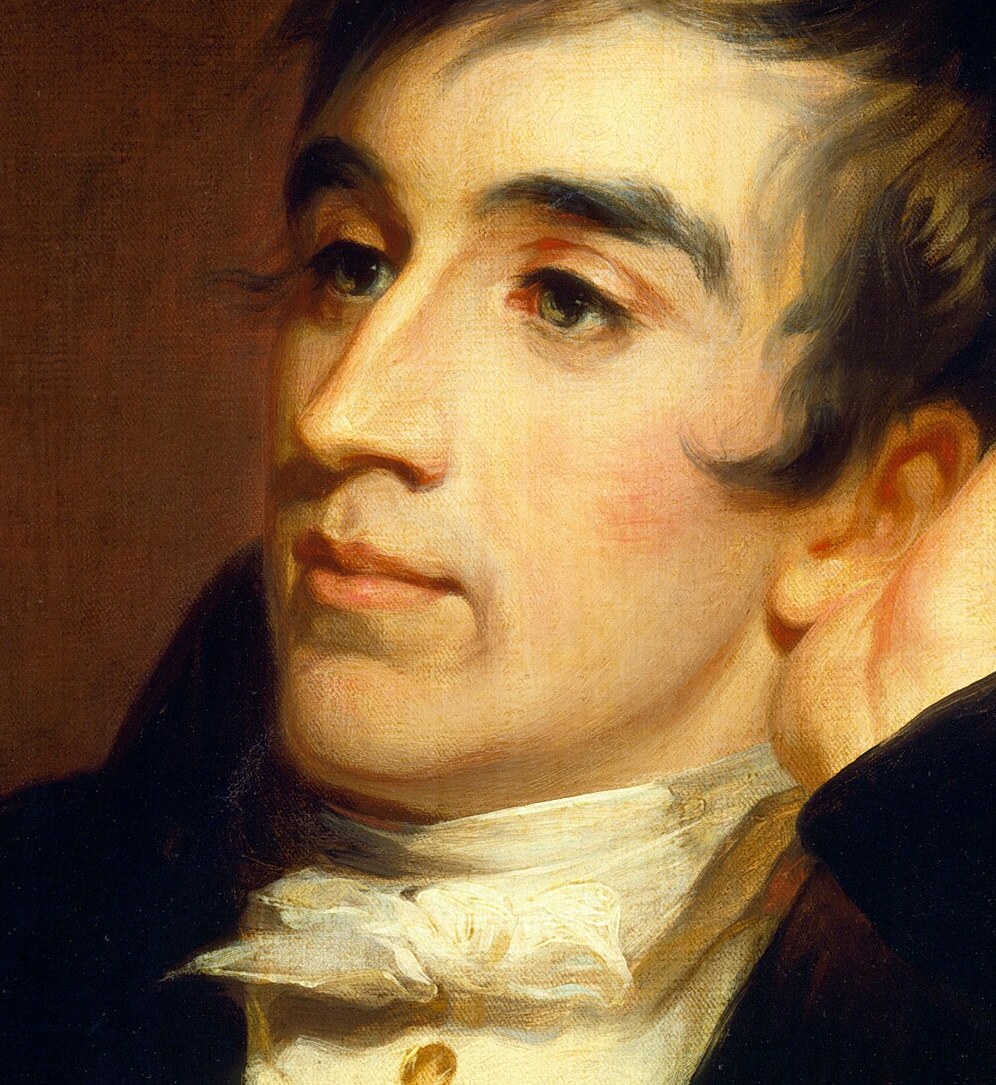
Thomas Sully's "Robert Walsh," painted in 1814, offers a glimpse into early 19th-century portraiture and the era's emphasis on intellect and character. This oil on canvas, held in a prominent collection, captures its subject in a pose suggesting deep contemplation.
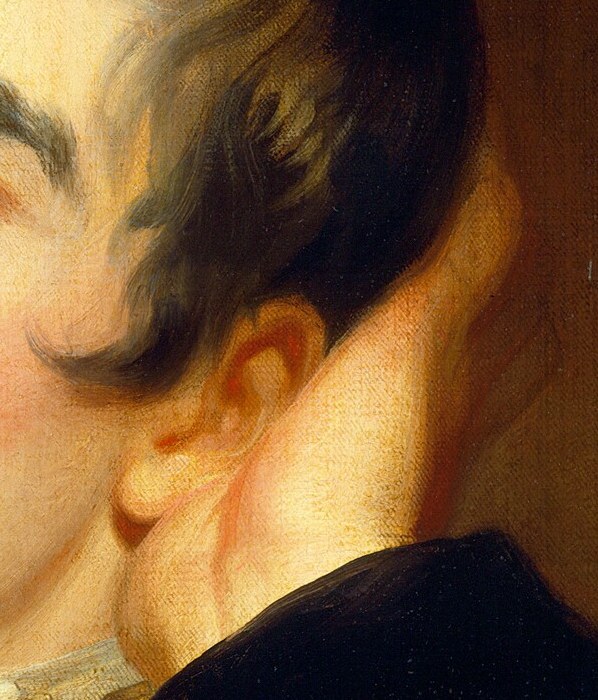
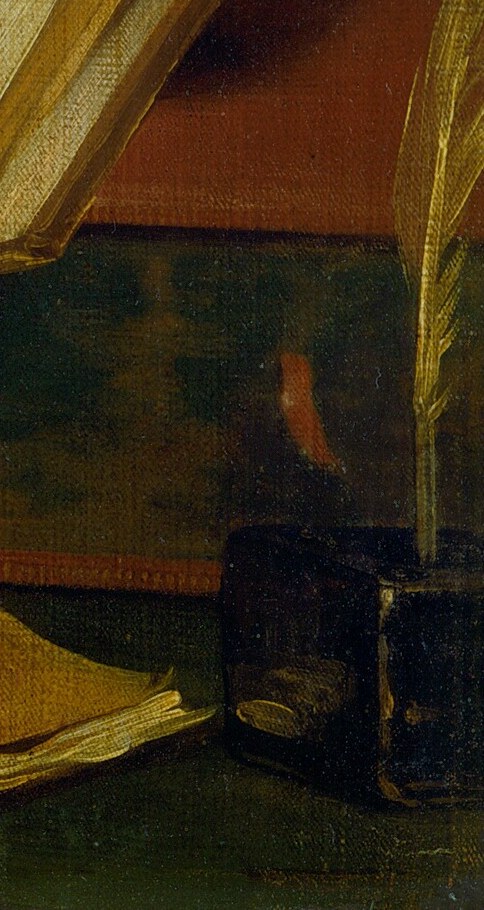
Observe how Sully uses chiaroscuro, a technique of strong light and shadow, to bring out the sitter's features and give the portrait a three-dimensional quality. The open book with handwritten pages and the quill pen subtly highlight Robert Walsh's identity as a scholar or writer.
Sully, an American artist, was a master of the Romantic style, which emphasized emotion and individual expression. His works often showcased the social standing and personal attributes of his subjects, creating enduring images that resonate with viewers today. This painting is a testament to his skill in capturing both likeness and personality.
What details in this portrait speak most to you about the sitter's character?
Details

Transcript
Look closely at this man, painted in 1814. His pose is relaxed, almost as if in thought. This painter, Thomas Sully, was known for Romantic portraits. Notice the detailed, handwritten pages of this open book. It highlights his intellectual pursuits, his identity. Sully masterfully used light and shadow to create depth.