Ulysses by Ingres, Jean-Auguste-Dominique
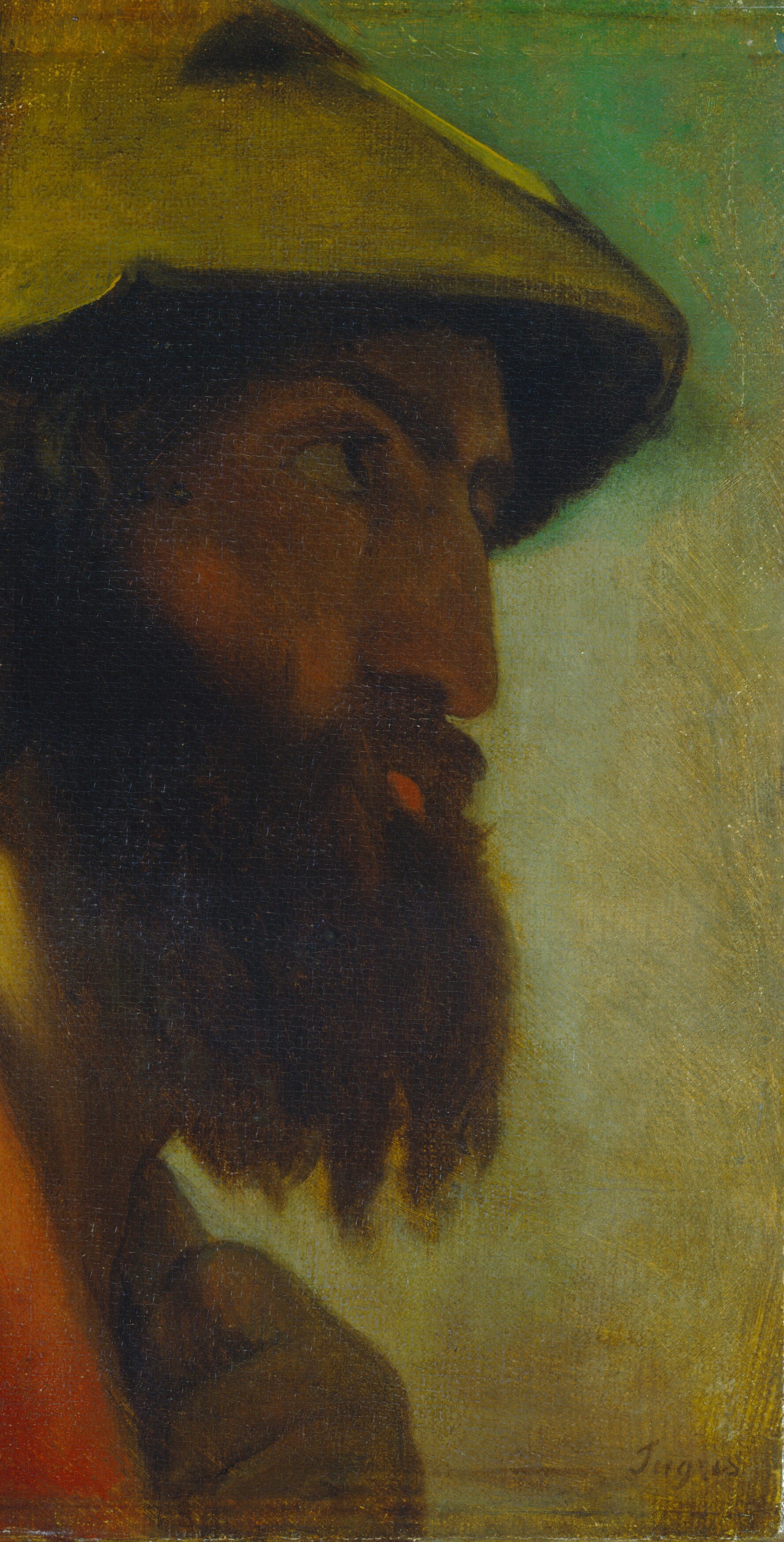
Jean-Auguste-Dominique Ingres's "Ulysses," painted in 1827, captures the mythic hero at a moment of deep introspection. This oil on canvas on wood, part of the collection, presents a figure whose face is largely obscured, inviting viewers to ponder his inner state.
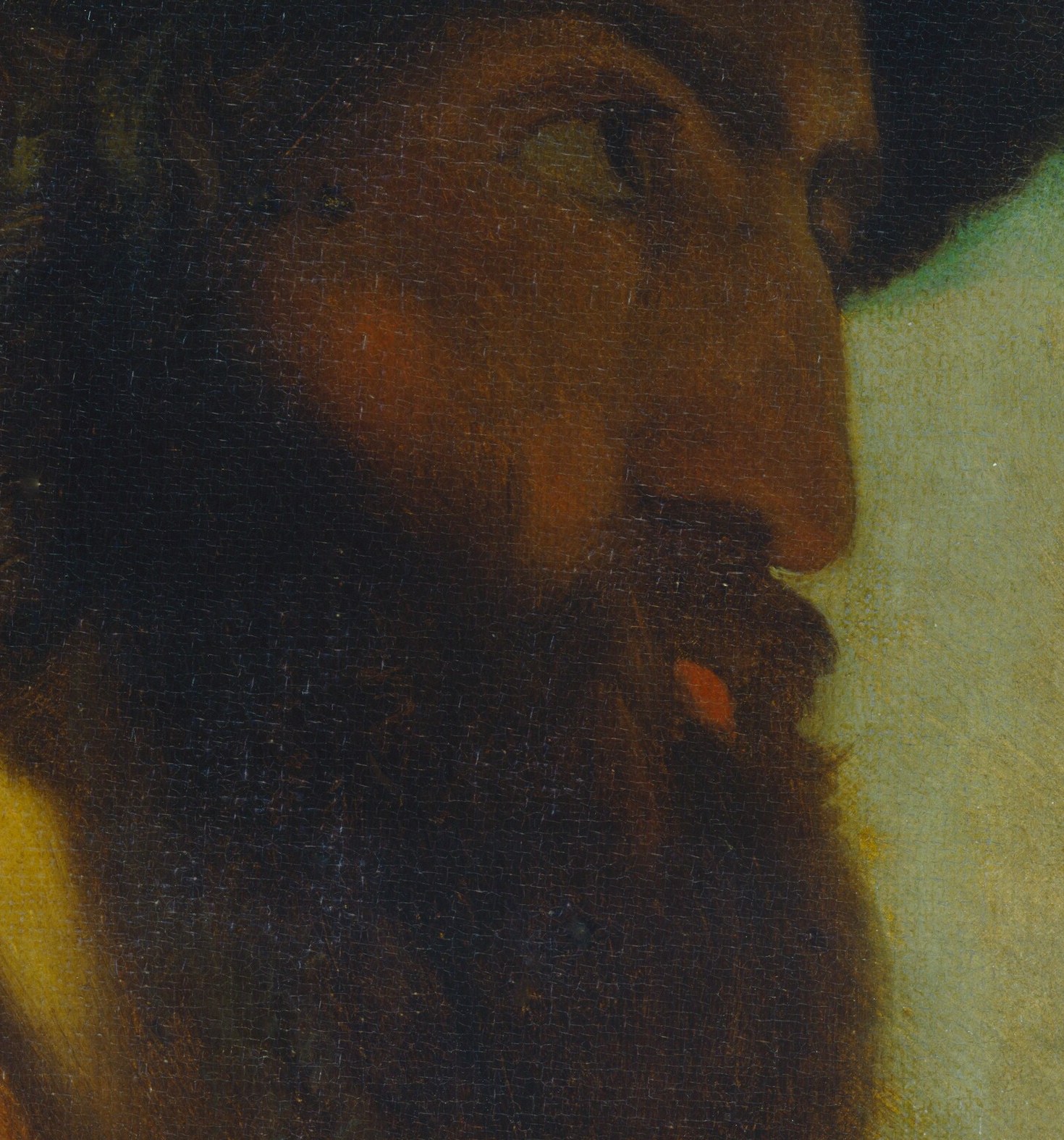
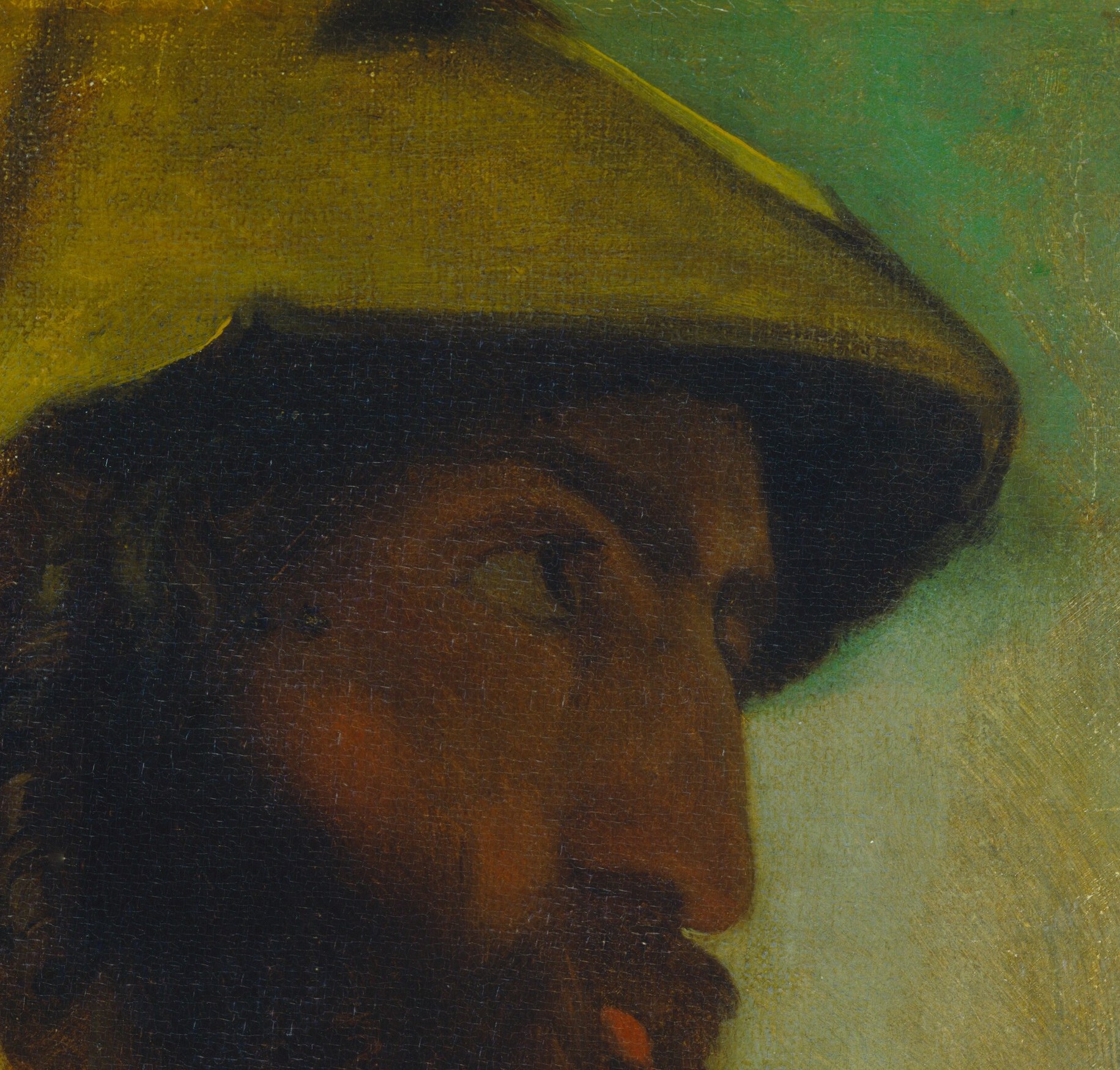
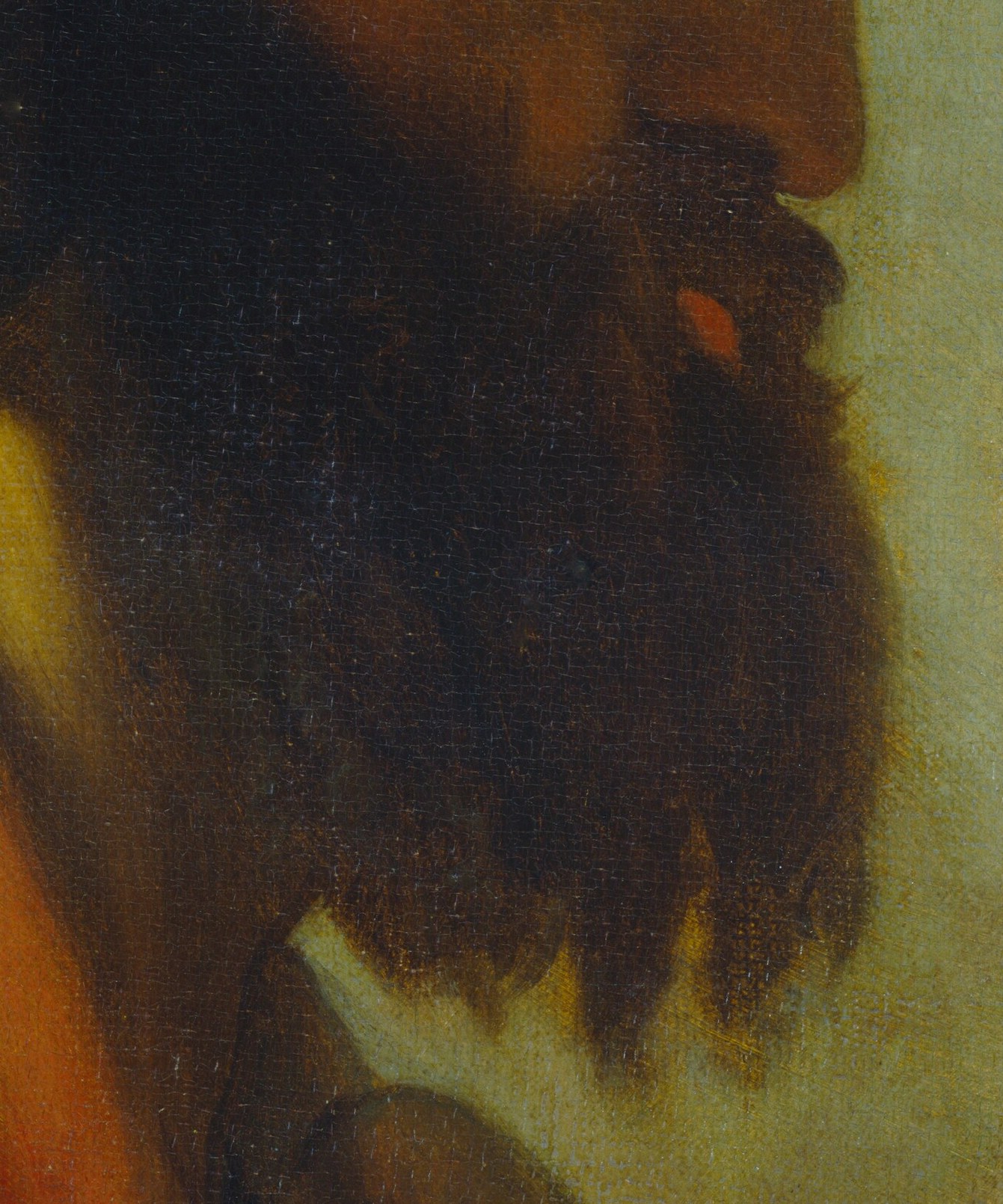
Look closely at the wide-brimmed hat, casting deep shadows over Ulysses's eyes. This deliberate concealment, along with his rugged dark beard, emphasizes the hero's enigmatic nature and the weight of his epic journey.
Ingres, a leading Neoclassical painter, created this work during a period when he championed academic tradition against the rising Romantic movement. Even in this early piece, his commitment to classical themes and precise composition is clear, influencing later artists like Henri Matisse.
After years of war and wandering, Ulysses's gaze remains hidden, perhaps reflecting the profound solitude of a man who has seen too much and has much yet to process.
Details
Transcript
This is Ulysses, the hero of the Odyssey. After ten years of war, he spent another ten lost at sea. His wide-brimmed hat conceals his eyes from us. Is he weary, or simply contemplating his long journey? His shadowed face and dark beard suggest a complex inner world. Ingres painted this in 1827, early in his career. The vibrant background captures the emotional atmosphere of his legend.