Niche with Falconry Gear by Pierson, Christoffel
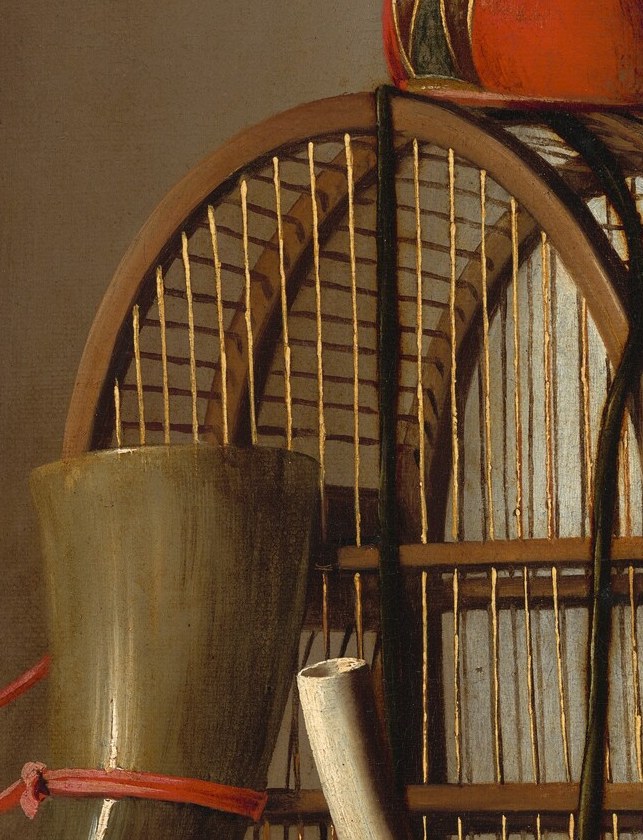
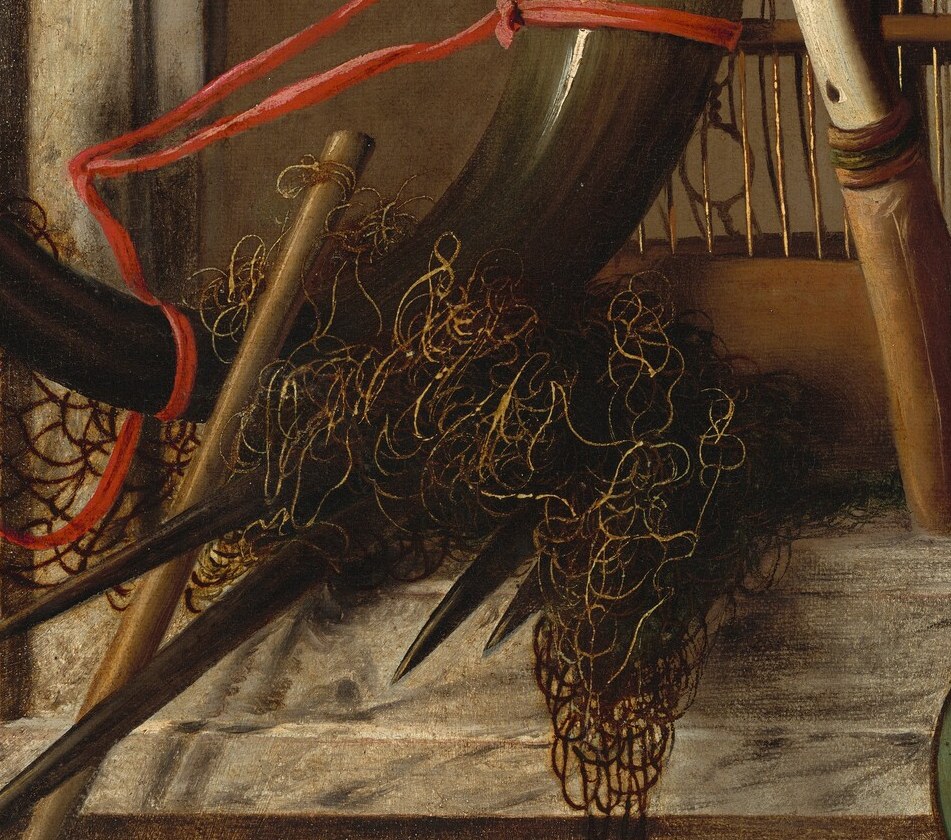
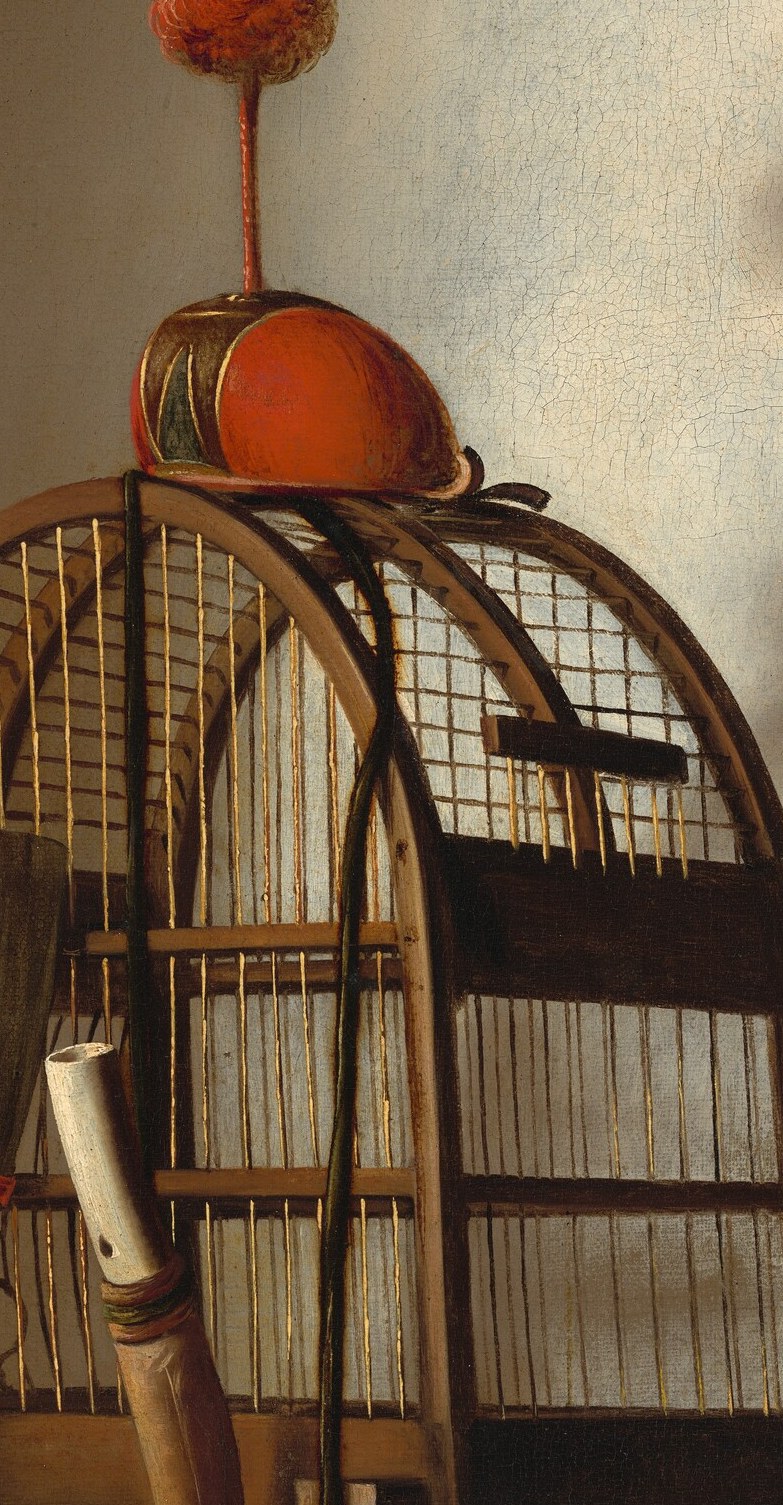
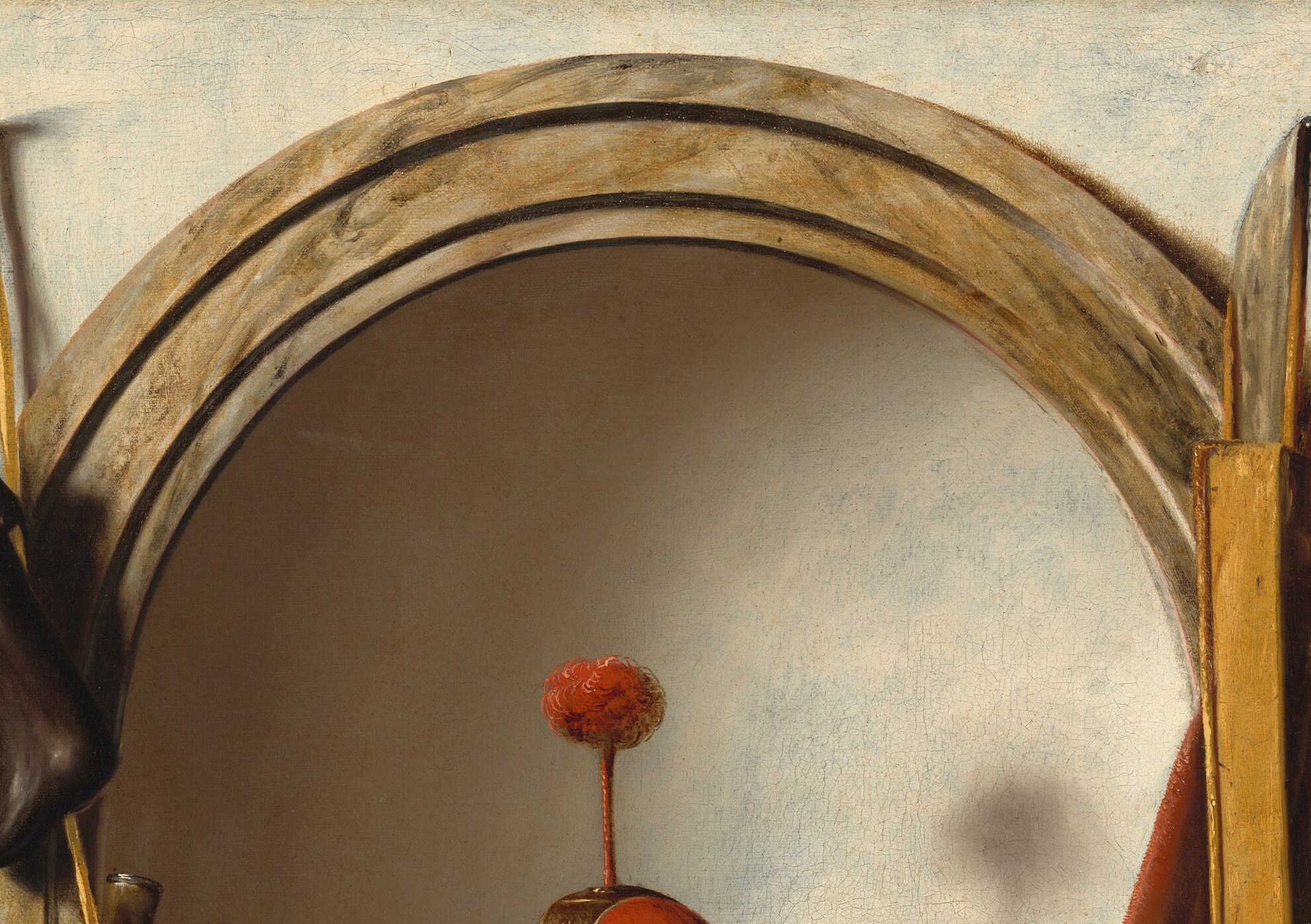
Christoffel Pierson's 'Niche with Falconry Gear,' painted around 1664, is a Dutch Golden Age still life that famously survived World War II thanks to the Monuments Men. This detailed oil on canvas depicts an assortment of hunting equipment, including a bird cage, nets, and specialized falconry tools, meticulously arranged within a stone niche.
Pierson's characteristic attention to texture and light brings the woven materials of the nets and the metallic surfaces of the gear to life, showcasing the era's fascination with specialized trades and leisure pursuits. Falconry was a prominent aristocratic sport, and this depiction served as both a record of the necessary equipment and a celebration of the discipline.
During World War II, this painting, along with thousands of other artworks, was hidden by Allied forces in a secret German mine to protect it from Nazi looting. Its safe recovery is a testament to the efforts to preserve cultural heritage amidst conflict. The painting now resides in [Museum Name, if known, otherwise omit].
It’s remarkable how art can survive against all odds, isn't it?
Details
Transcript
This still life was painted around 1664. It shows tools for falconry, a sport for aristocrats. The artist rendered every detail with precision. Its delicate surface was vulnerable to damage. During WWII, Allied forces hid it from Nazi looters. The painting survived safely in a secret German mine.