Portrait of a Gentleman by Blackburn, Joseph
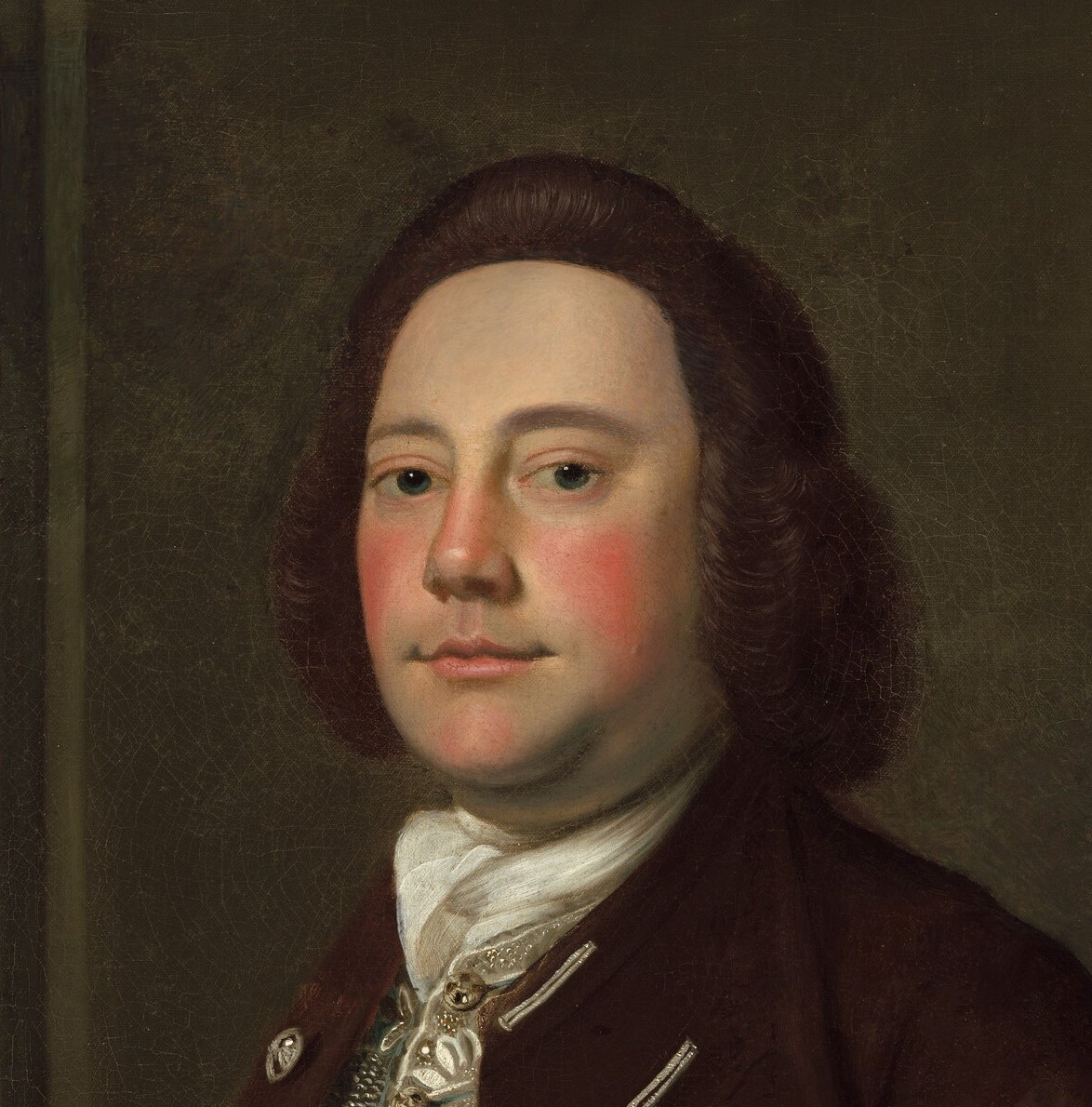
This striking "Portrait of a Gentleman" by Joseph Blackburn, painted around 1760, holds a subtle detail often missed that reveals much about its subject.
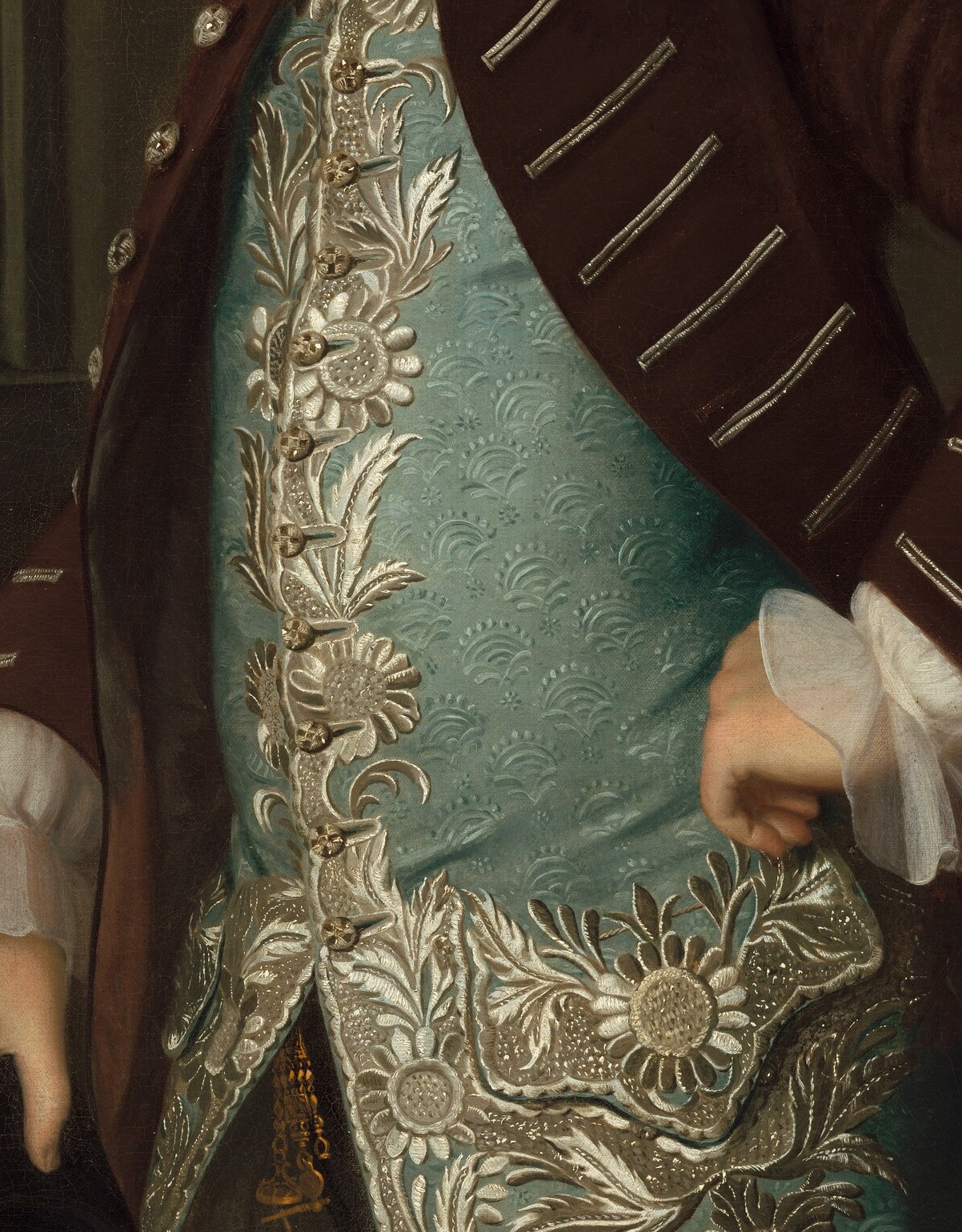
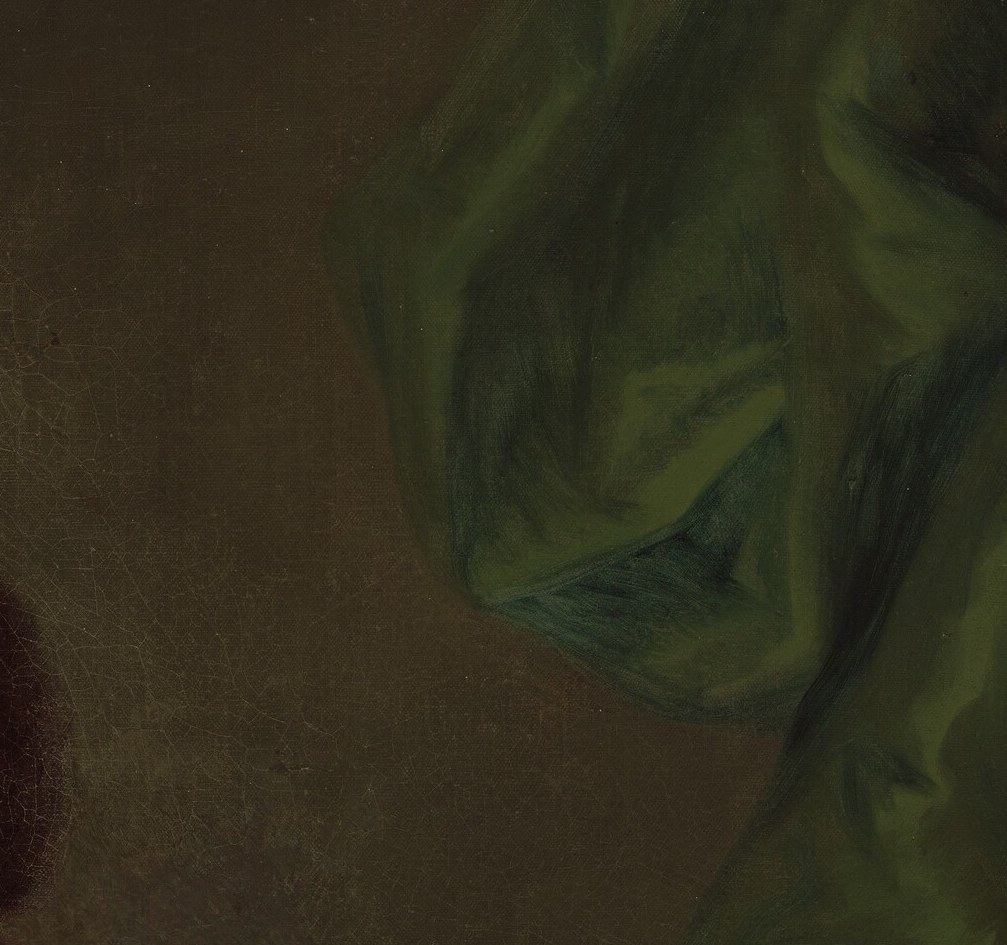
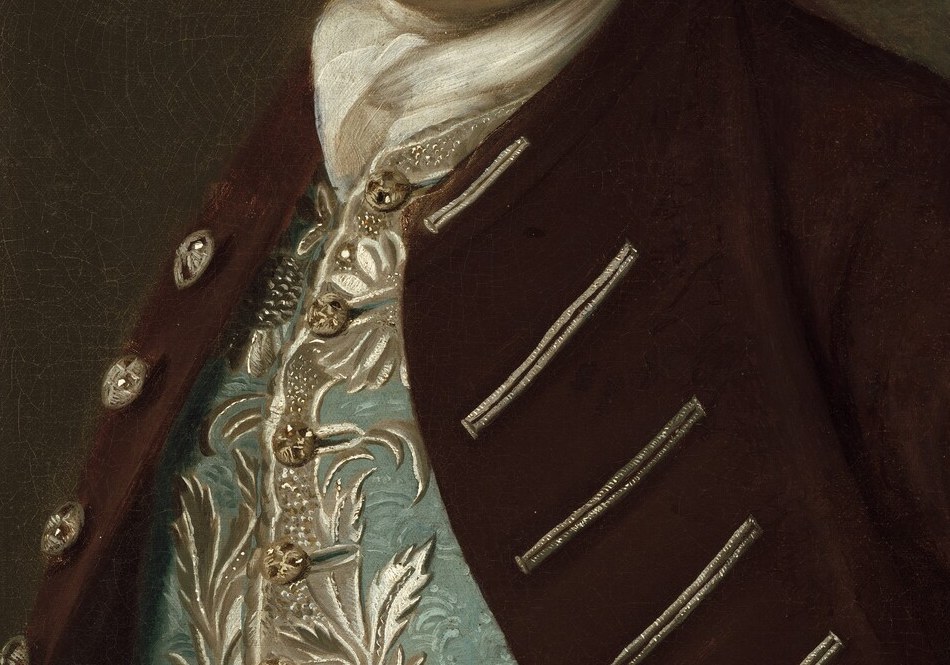
While the man's elaborate lace, powdered wig, and embroidered silk waistcoat immediately convey his high social standing, a closer look at the painting's upper-right corner unveils a small, tranquil landscape. This isn't just a decorative backdrop; in colonial America, land ownership was the ultimate symbol of wealth and prestige for a gentleman.
Blackburn, an active portraitist from 1752 to around 1778, was known for his ability to flatter sitters while capturing their individual likenesses. He masterfully used visual cues, like this hidden landscape, to communicate the sitter's status and aspirations without overtly stating them. This deliberate inclusion would have been understood by contemporary viewers, adding another layer to the portrait's meaning.
What other subtle details do you notice that tell a story about the past?
Details
Transcript
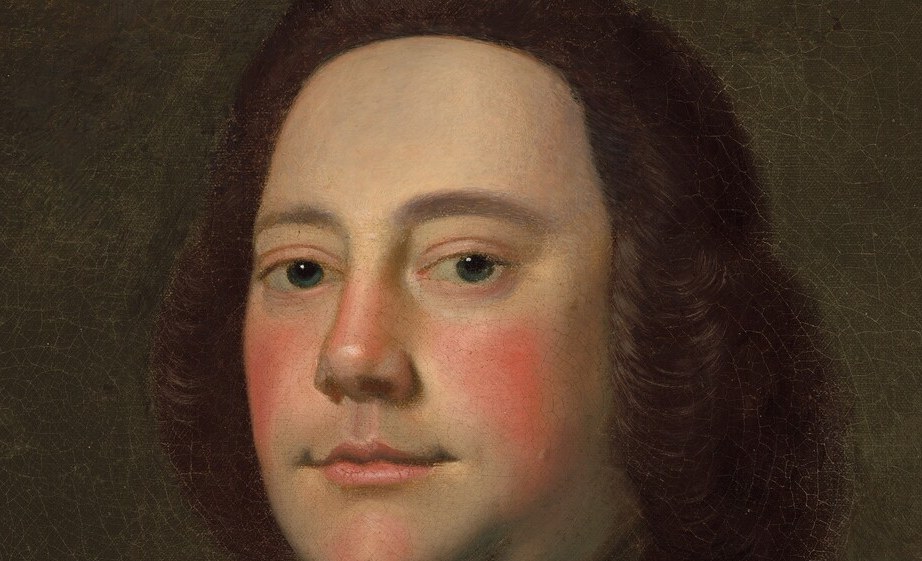
This gentleman's portrait was painted around 1760. His expensive lace and embroidered silk waistcoat signal his status. His direct gaze means he's confident, even formidable. But look closely in the upper right corner. This subtle landscape shows he owned land, a mark of wealth. The painter, Joseph Blackburn, often included these small details.