Captain Alexander Graydon by Feke, Robert
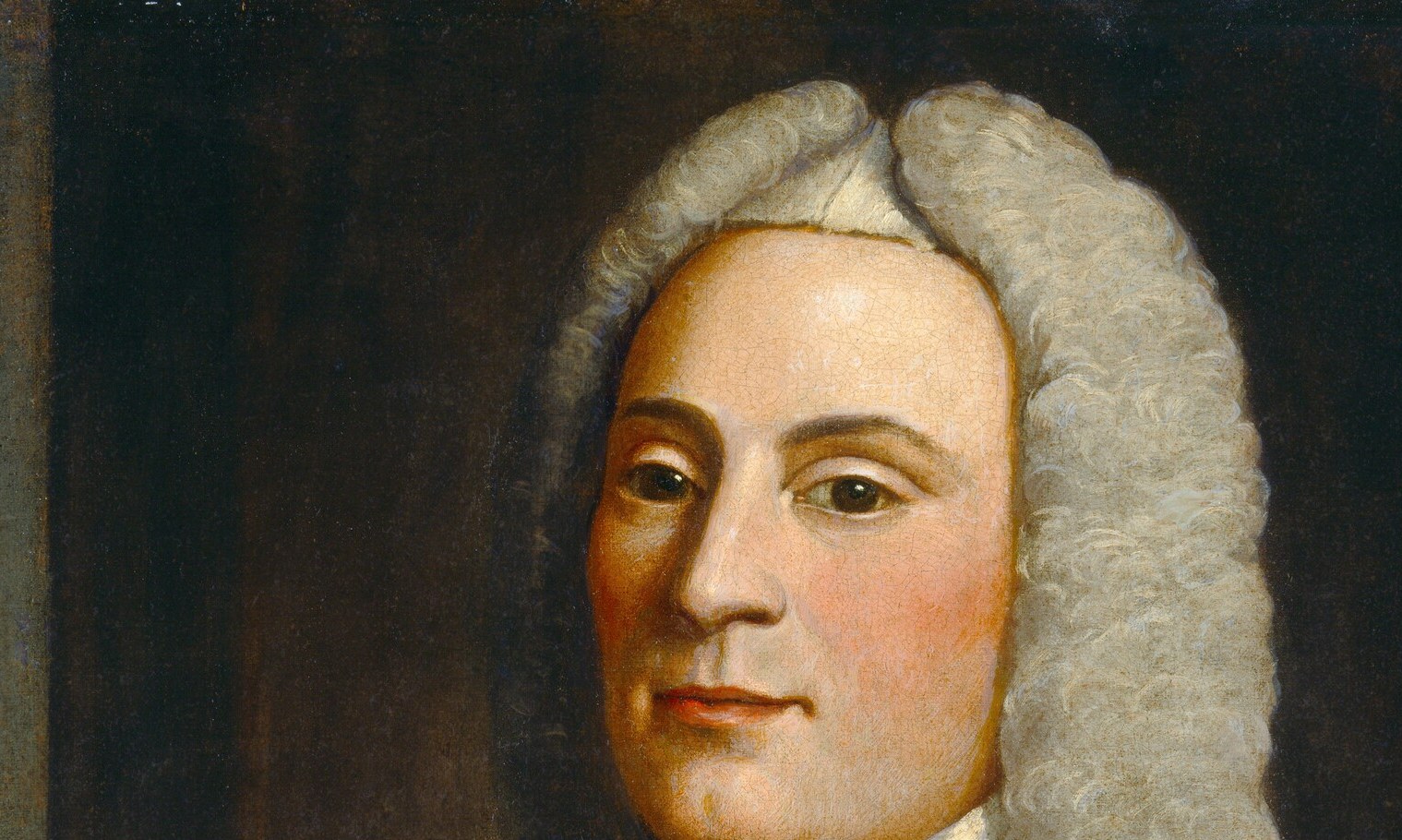
This is Captain Alexander Graydon, painted around 1746 by Robert Feke. The portrait captures a maritime officer in his prime, dressed in the exacting fashion of a mid-18th-century gentleman. In the colonies, commissioning a portrait of this caliber was a serious financial decision. It cost roughly 20 pounds at a time when a skilled craftsman might earn that over several months of hard work.
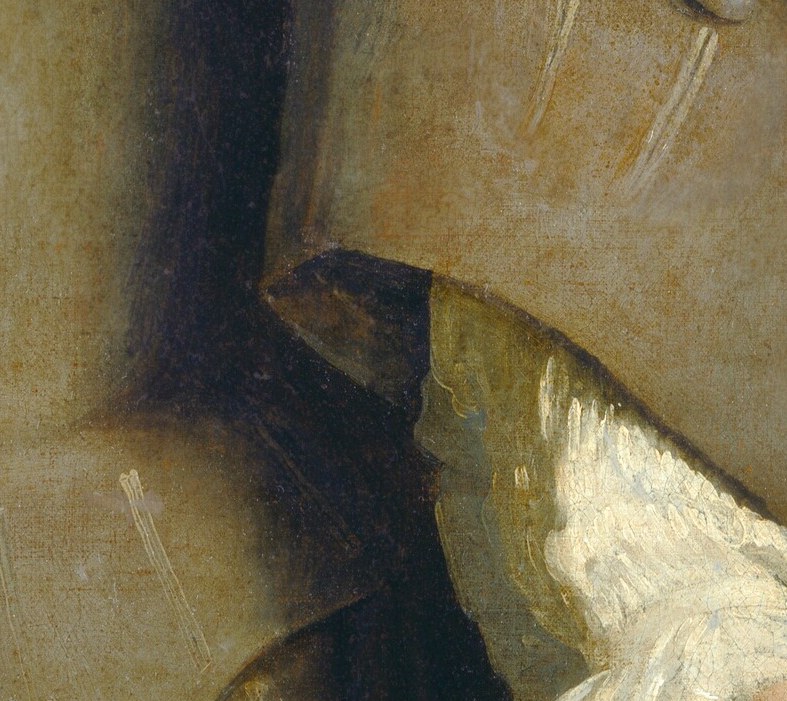
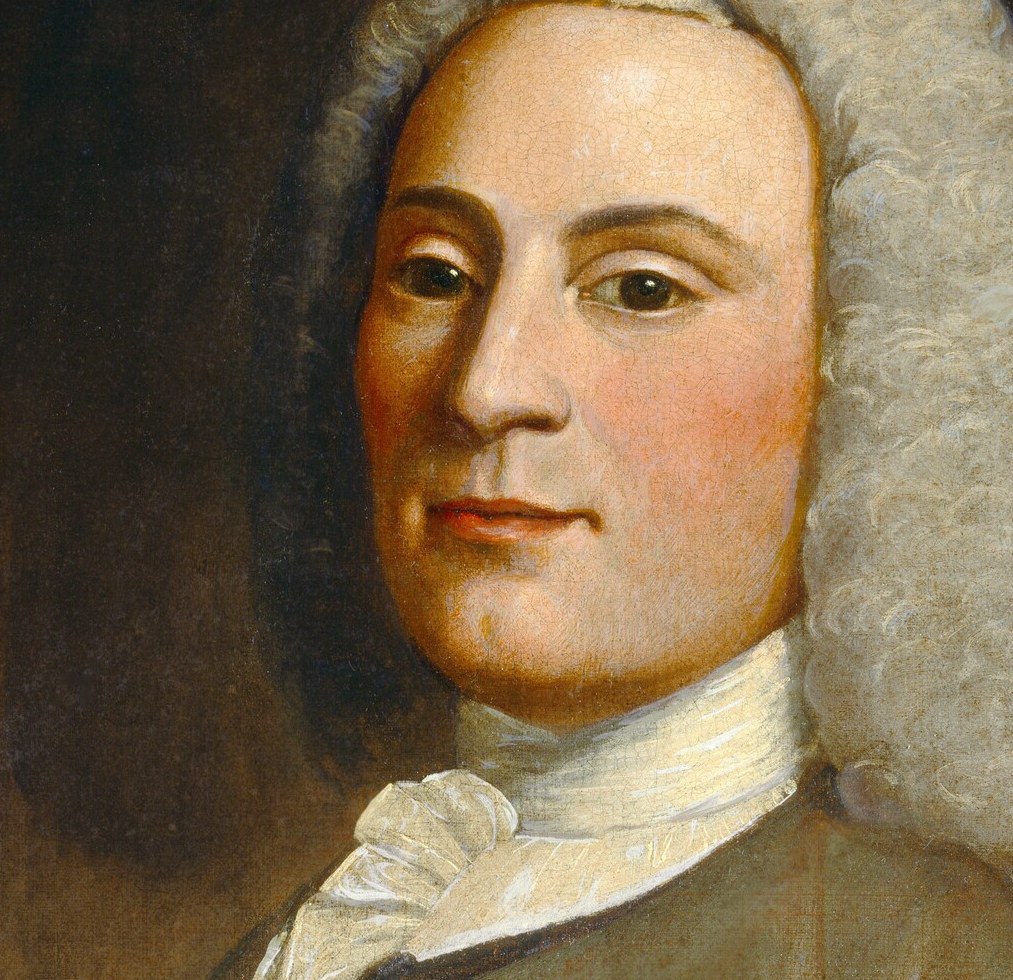
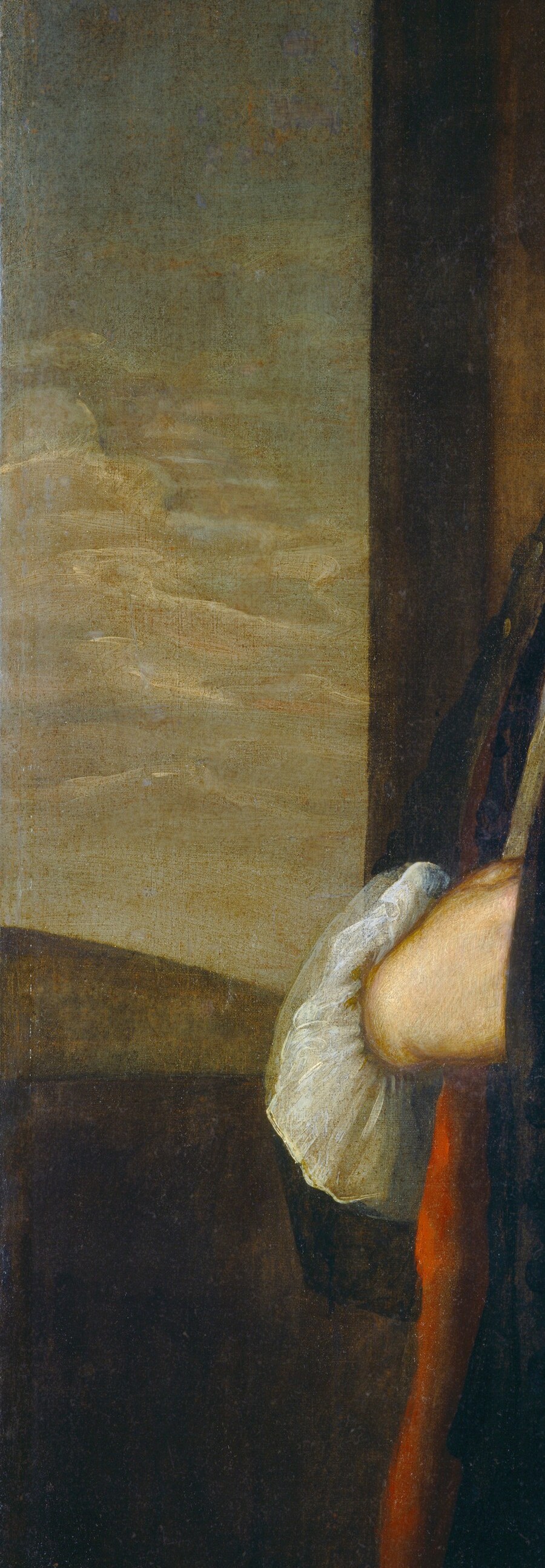
Look at the directness of the captain's gaze. Feke was an American painter and he gave his sitter a steady, unidealized look that British conventions rarely allowed. Trace the bright white mass of the powdered wig down to the delicate rendering of the lace cuffs, each was a deliberate, visible claim to status and gentility. The dark, almost featureless background isolates the figure completely, making the captain's face and clothes the entire story.
Feke was active from the 1740s until about 1750, moving between Boston, Newport, and Philadelphia. Portraits like this one helped define a new American visual identity: less detached, more psychologically present than the British models colonists had known. This work remains a significant document of who had the money, and the ambition, to have their likeness preserved in the years before the Revolution.
The captain paid for permanence, and he got it. What do you notice most in his expression?
Details
Transcript
In 1746, a portrait like this cost about 20 pounds. a significant sum in the colonies, equal to several months' pay for a skilled tradesman. It was a clear social signal. The crisp lace cuffs were conspicuous luxuries. A document of colonial self-presentation.